


Quantification of local hemodynamic alterations caused by virtual implantation of three commercially available stents for the treatment of aortic coarctation
- PMID: 24259013
- PMCID: PMC3959287
- DOI: 10.1007/s00246-013-0845-7
Quantification of local hemodynamic alterations caused by virtual implantation of three commercially available stents for the treatment of aortic coarctation
Abstract
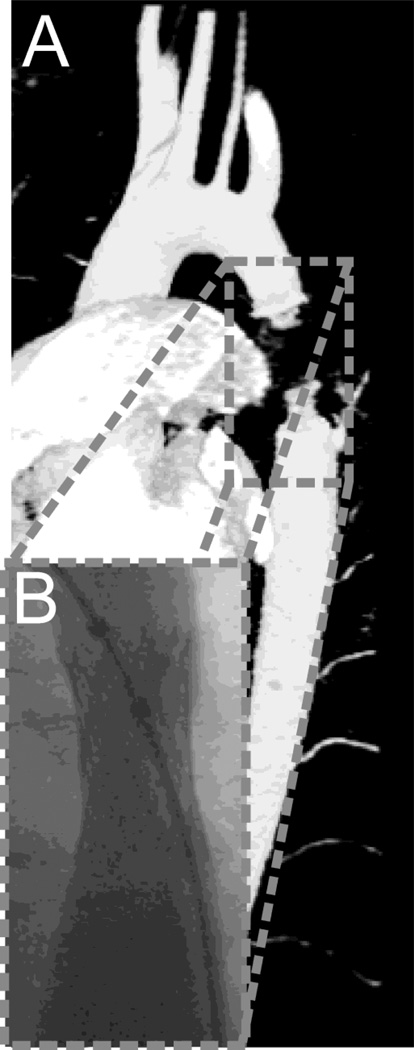
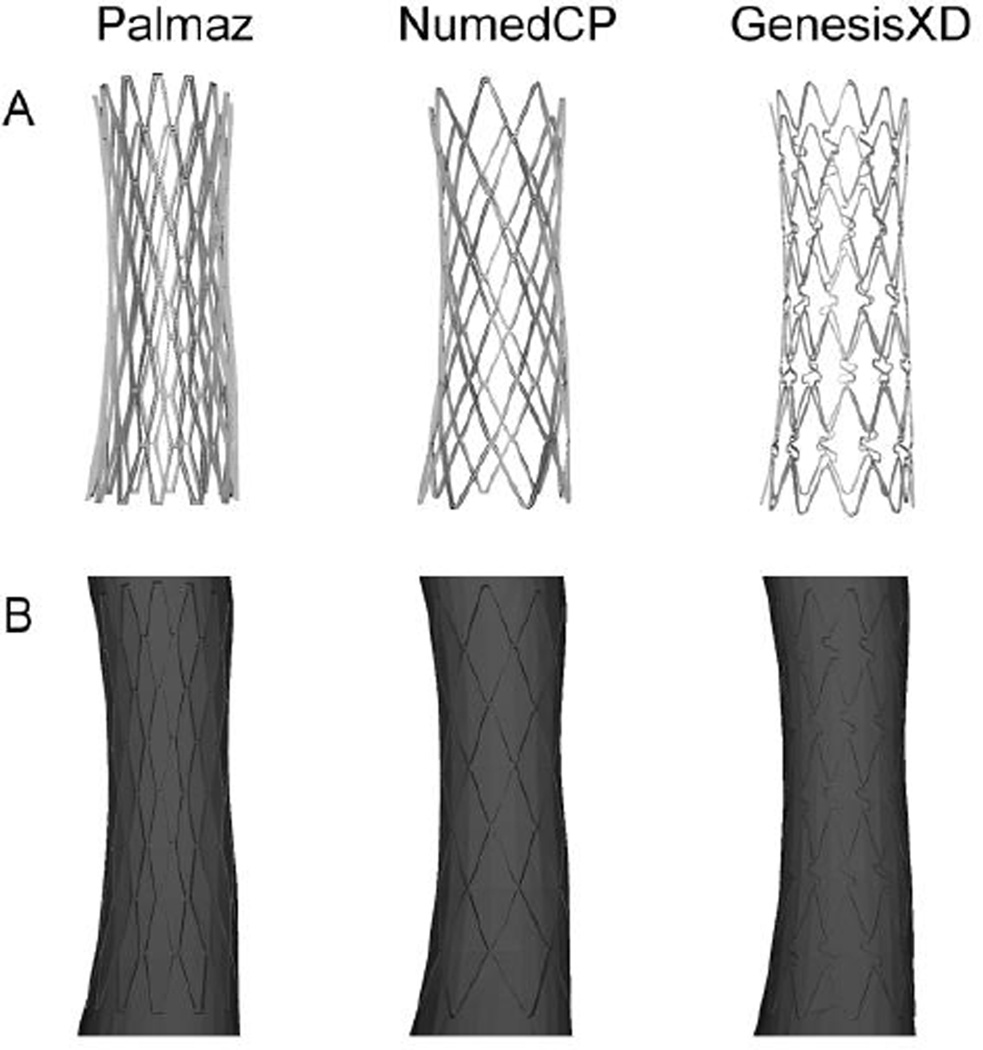
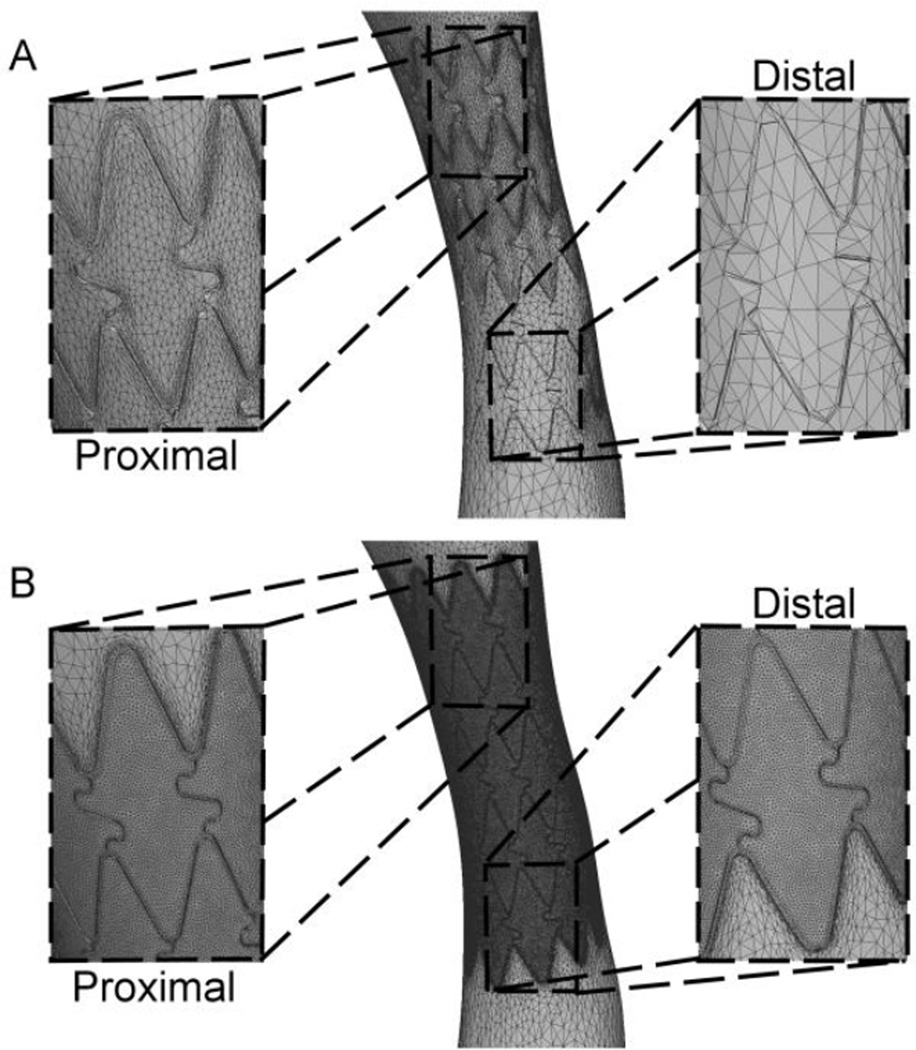
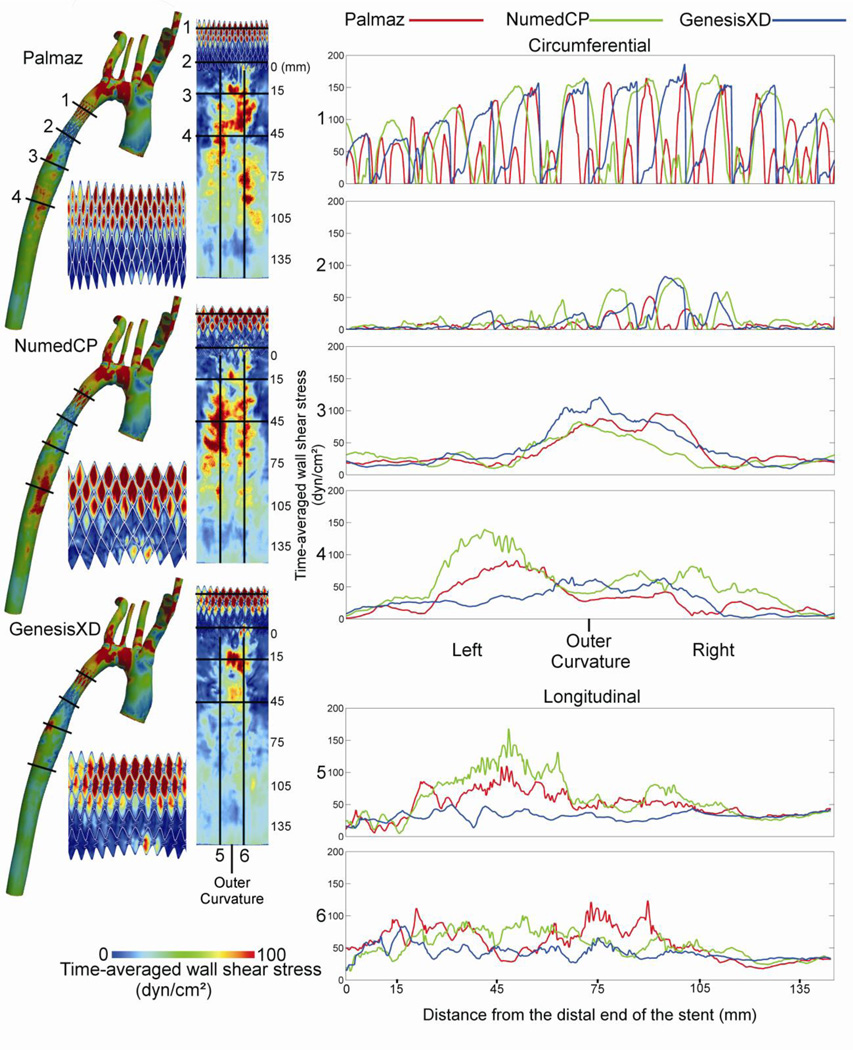
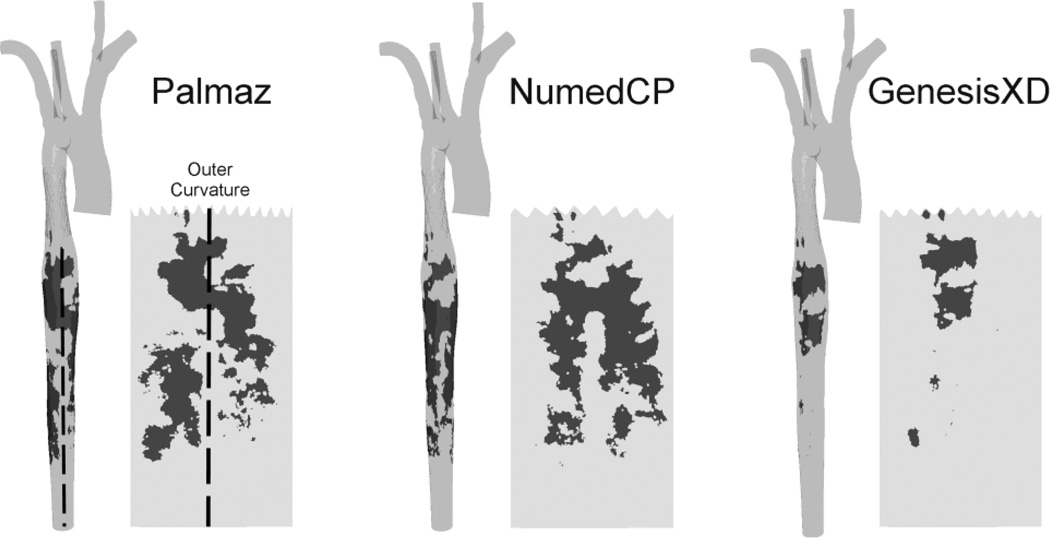
Patients with coarctation of the aorta (CoA) are prone to morbidity including atherosclerotic plaque that has been shown to correlate with altered wall shear stress (WSS) in the descending thoracic aorta (dAo). We created the first patient-specific computational fluid dynamics (CFD) model of a CoA patient treated by Palmaz stenting to date, and compared resulting WSS distributions to those from virtual implantation of Genesis XD and modified NuMED CP stents, also commonly used for CoA. CFD models were created from magnetic resonance imaging, fluoroscopy and blood pressure data. Simulations incorporated vessel deformation, downstream vascular resistance and compliance to match measured data and generate blood flow velocity and time-averaged WSS (TAWSS) results. TAWSS was quantified longitudinally and circumferentially in the stented region and dAo. While modest differences were seen in the distal portion of the stented region, marked differences were observed downstream along the posterior dAo and depended on stent type. The Genesis XD model had the least area of TAWSS values exceeding the threshold for platelet aggregation in vitro, followed by the Palmaz and NuMED CP stents. Alterations in local blood flow patterns and WSS imparted on the dAo appear to depend on the type of stent implanted for CoA. Following confirmation in larger studies, these findings may aid pediatric interventional cardiologists in selecting the most appropriate stent for each patient, and ultimately reduce long-term morbidity following treatment for CoA by stenting.
Figures
References
-
- Coogan JS, Chan FP, Taylor CA, Feinstein JA. Computational fluid dynamic simulations of aortic coarctation comparing the effects of surgical- and stent-based treatments on aortic compliance and ventricular workload. Catheter Cardiovasc Interv. 2011;77(5):680–691. - PubMed
-
- Draney MT, Alley MA, Tang BT, Wilson NM, Herfkens RJ, Taylor CA. Importance of 3D nonlinear gradient corrections for quantitative analysis of 3D MR angiographic data. Honolulu, HI: International Society for Magnetic Resonance in Medicine; 2002.
-
- Ferencz C, Rubin JD, McCarter RJ, Brenner JI, Neill CA, Perry LW, Hepner SI, Downing JW. Congenital heart disease: prevalence at livebirth. The Baltimore-Washington Infant Study. American Journal of Epidemiology. 1985;12(1):31–36. - PubMed
Publication types
MeSH terms
Grants and funding
LinkOut - more resources
Full Text Sources
Other Literature Sources
Research Materials
Miscellaneous
