. 2013 Nov 18;8(11):e81165.
doi: 10.1371/journal.pone.0081165. eCollection 2013.

Thrombolytic effects of the snake venom disintegrin saxatilin determined by novel assessment methods: a FeCl3-induced thrombosis model in mice

Affiliations

Thrombolytic effects of the snake venom disintegrin saxatilin determined by novel assessment methods: a FeCl3-induced thrombosis model in mice

Il Kwon et al. PLoS One. .

Abstract

Saxatilin, a novel disintegrin purified and cloned from the venom of the Korean snake Gloydius saxatilis, strongly inhibits activation and aggregation of platelets. Glycoprotein (GP) IIb/IIIa receptor antagonists can resolve thrombus, so saxatilin might also have thrombolytic effects. We investigated the thrombolytic effects of saxatilin in mice using a ferric chloride-induced carotid arterial thrombosis model. Thrombotic occlusion and thrombus resolution were evaluated quantitatively by measuring blood flow in the carotid artery with an ultrasonic flow meter and calculating the degree of flow restoration on a minute-by-minute basis; results were confirmed by histological examination. Saxatilin dissolved thrombi in a dose-dependent manner. Saxatilin at 5 mg/kg restored blood flow to baseline levels. As saxatilin dose increased, time to recanalization decreased. A bolus injection of 10% of a complete dose with continuous infusion of the remaining dose for 60 minutes resulted in effective recanalization without reocclusion. The thrombolytic effect of saxatilin was also demonstrated in vitro using platelet aggregometry by administering saxatilin in preformed thrombi. Bleeding complications were observed in 2 of 71 mice that received saxatilin. Fibrin/fibrinogen zymography and platelet aggregometry studies indicated that saxatilin does not have fibrinolytic activity, but exerted its action on platelets. Integrin-binding assays showed that saxatilin inhibited multiple integrins, specifically α2bβ3 (GP IIb/IIIa), α5β1, αvβ3, αvβ1, and αvβ5, which act on platelet adhesion/aggregation. Saxatilin inhibited multiple integrins by acting on platelets, and was safe and effective in resolving thrombi in mice.


Conflict of interest statement

Competing Interests: The authors have read the journal's policy and have the following conflicts. Yonsei University to which the authors (Il Kwon, Sung-Yu Hong, Young Dae Kim, and Ji Hoe Heo) are affiliated has patent applications pending for saxatilin (Composition for Thrombolysis and Pharmaceutical Composition for Treating Diseases related to Blood Vessel Occlusion or Narrowness Comprising the Same; Korean Patent Application No. 10-2010-0107760, PCT/KR2011/008248, U.S. Patent Application No. 13/882,792, European Patent Application No. 11838212.6, Chinese Application for Invention No. 201180052931.0, and Japanese Patent Registration No. 51300921196). This does not alter the authors' adherence to all the PLOS ONE policies on sharing data and materials.

Figures

Figure 1
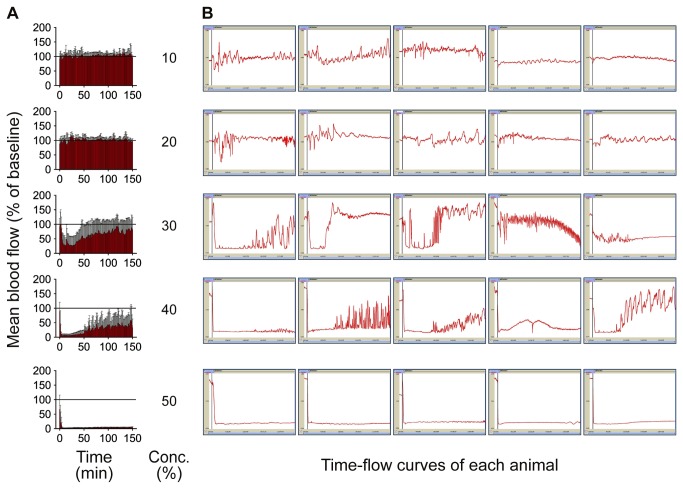
Figure 1. Arterial response to various concentrations (10-50%) of FeCl3.
A: mean values of all animals in a group were calculated. Temporal changes are shown as continuous bar graphs (mean ± SD). B: Time-flow curves of all mice in each group. All mice by 50% FeCl3 achieved complete occlusion, which was maintained without spontaneous recanalization during period for 150 minutes of monitoring.
Figure 2
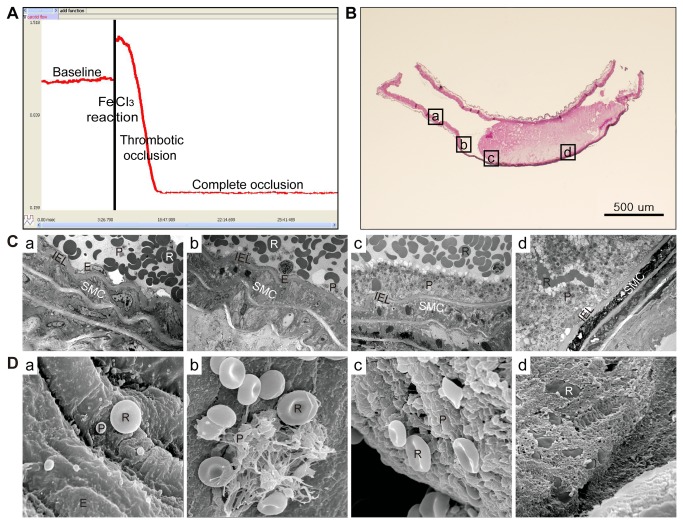
Figure 2. Reliability of the FeCl3-induced arterial thrombosis model.
A: Blood flow was monitored using an ultrasonic Doppler flow meter in the carotid artery. Representative time-flow curve from FeCl3-induced arterial thrombosis. Complete occlusion was defined as absence of blood flow for 10 minutes. B: Hematoxylin and eosin staining of the carotid artery with thrombotic occlusion after FeCl3 treatment. Original magnification ×100. C: Transmission electron microscopy. D: Scanning electron microscopy. Boxes in Figure 2B indicate sites of electron microscopy images. a) Region farthest from the site of FeCl3 application with intact vascular structure and normally shaped erythrocytes and discoid platelets. b) Mildly damaged region. Empty endothelial cells with loss of organelles, activated and aggregated platelets, and platelets adhering to the luminal surface. c) Thrombus border region with no intact endothelial cells. Activated and aggregated platelets firmly adhered to the damaged region of the luminal surface. d) Severely damaged region with artery completely occluded by a platelet-rich thrombus containing several erythrocytes. FeCl3-induced damage caused loss of vascular undulation, but the internal elastic lamina was intact even in the severely damaged region. R: erythrocyte, P: platelet, E: endothelial cell, SMC: smooth muscle cell, IEL: internal elastic lamina. Original magnification ×2,000 (TEM), ×5,000 (SEM).
Figure 3
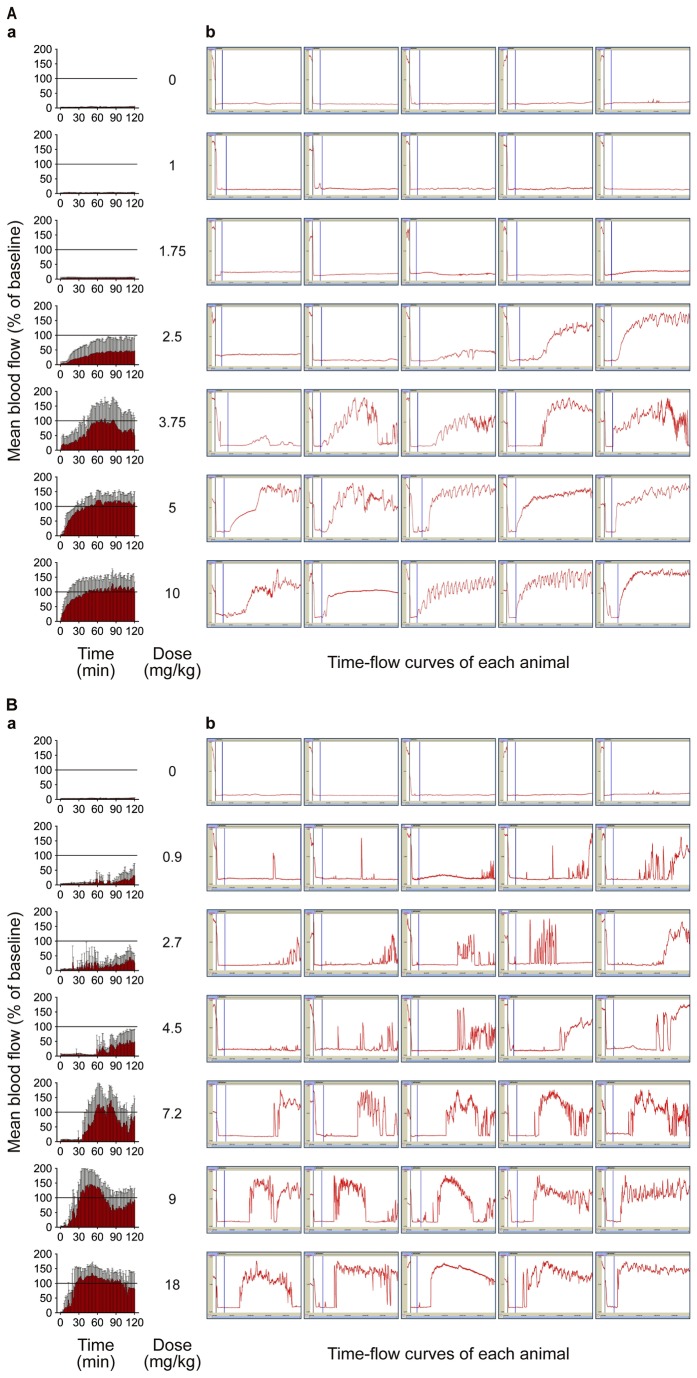
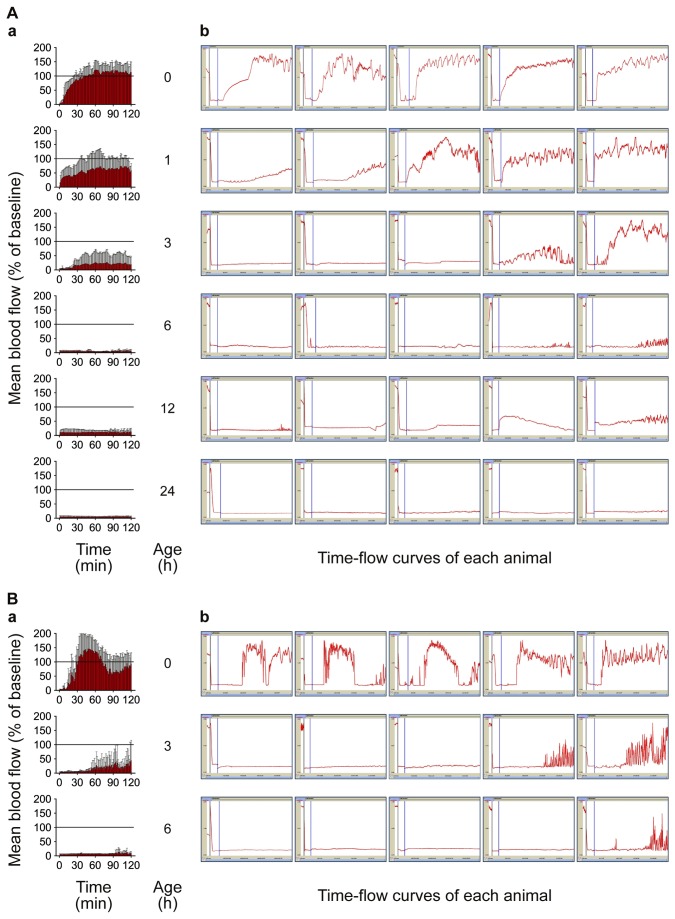
Figure 3. Dose-dependent thrombolytic effects of saxatilin (A) and rt-PA (B).
a) Mean values of all animals in a group were calculated. Temporal changes are shown as continuous bar graphs (mean ± SD). b) Time-flow curves of all mice in each group. As the dose of saxatilin or rt-PA increases, the time to recanalization and the frequency of reocclusion decreases. Saxatilin showed relatively short time to recanalization and low frequency of reocclusion compared with rt-PA.
Figure 4
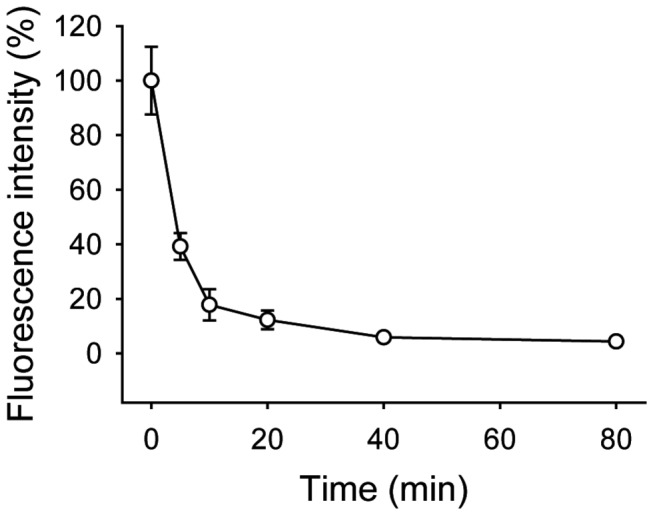
Figure 4. Half-life of saxatilin in mice.
Fluorescence was measured from sera isolated at the indicated time-points (0, 5, 10, 20, 40, or 80 minutes) after administration of Rhodamine-labeled saxatilin. Half-life of saxatilin was 4.1 minutes in mice. Values are presented as a mean ± standard deviation.
Figure 5
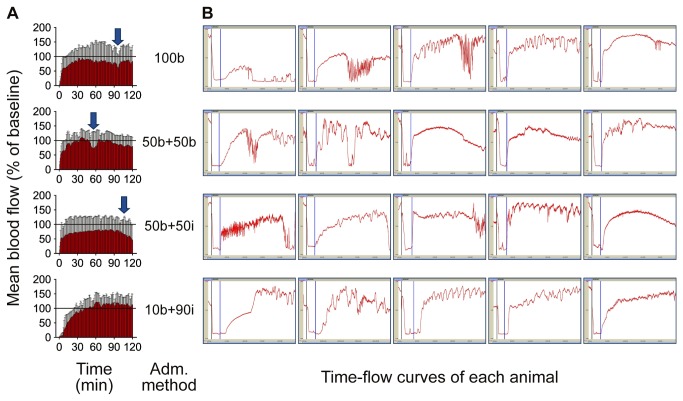
Figure 5. Thrombolytic effect of saxatilin according to administration method.
A: Blood flow patterns after saxatilin. Abrupt reocclusion in mice after bolus injection of total dose or 50% of total dose. No reocclusion with bolus injection of 10% total dose with continuous infusion of remaining dose. B: Time-flow curves of all mice in each group. b, bolus injection; i, continuous infusion. Arrows indicate reocclusion development.
Figure 6
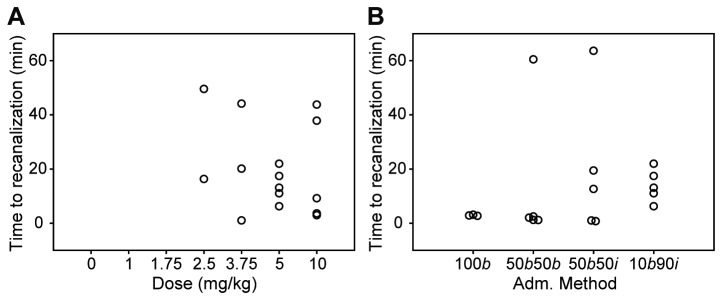
Figure 6. Time to effective recanalization.
Effective recanalization was defined as restoration of blood flow to at least 50% of baseline levels, maintained for longer than 30 minutes. A: Time to effective recanalization by administration dose. No effective recanalization at 0, 1, or 1.75 mg/kg. Two mice in the 2.5 mg/kg and three mice in the 3.75 mg/kg groups and mice with 5 or 10 mg/kg showed effective recanalization. B: Time to effective recanalization by administration method. All mice except two administered a bolus injection of the total dose showed effective recanalization. b, bolus injection; i, continuous infusion.
Figure 7
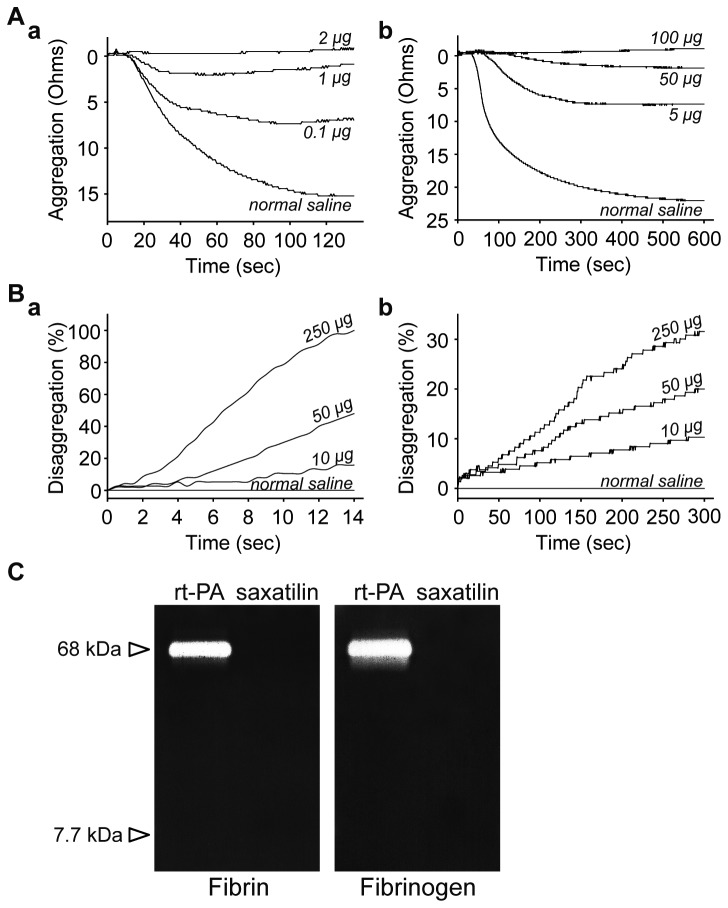
Figure 7. Mechanism of thrombus dissolution by saxatilin.
A: Inhibitory effect of platelet aggregation by saxatilin. a) Inhibition in response to 20 μM ADP or b) 5 μg/ml collagen. Platelet aggregometry shows dose-dependent inhibition of platelet aggregation. B: Effect of saxatilin on platelet disaggregation. a) Saxatilin effect on a preformed thrombus induced by 20 μM ADP, or b) 5 μg/ml collagen. Graphs show dose-dependent disaggregation by saxatilin on the preformed thrombus. C: Fibrin/fibrinogen zymography with rt-PA bands. No band was seen after saxatilin loading.
Figure 8
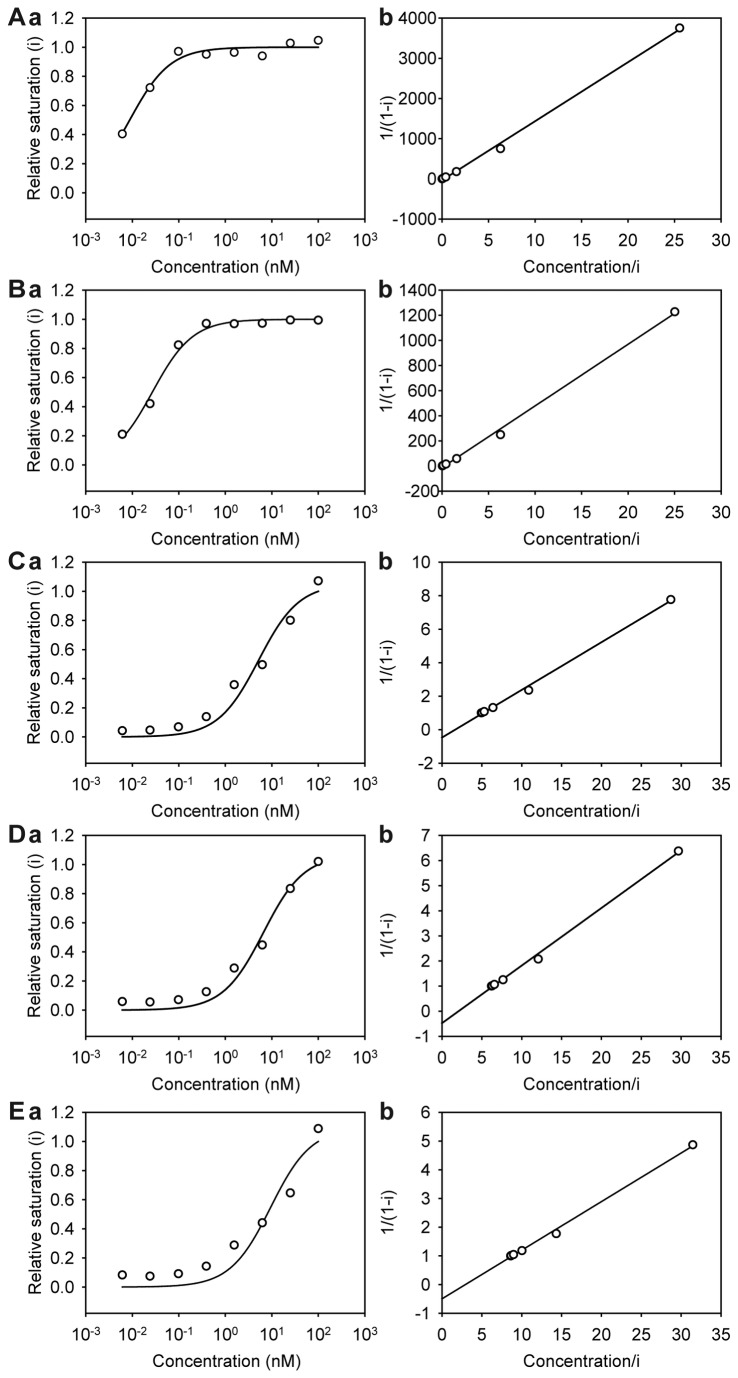
Figure 8. Binding affinity of saxatilin-Fc for integrins α2bβ3 (A), αvβ3 (B), αvβ5 (C), α5β1 (D), and αvβ1 (E).
a) Titration curves obtained from ELISA. The relative titration, i, is displayed as the function of saxatilin-Fc concentration. b) Plot of data (a) according to equation 1/(1 - i) = (saxatilin-Fc concentration/i)/(Kd) - b. The parameter of the straight line, the slope (1/Kd) is shown in the figure.
Figure 9
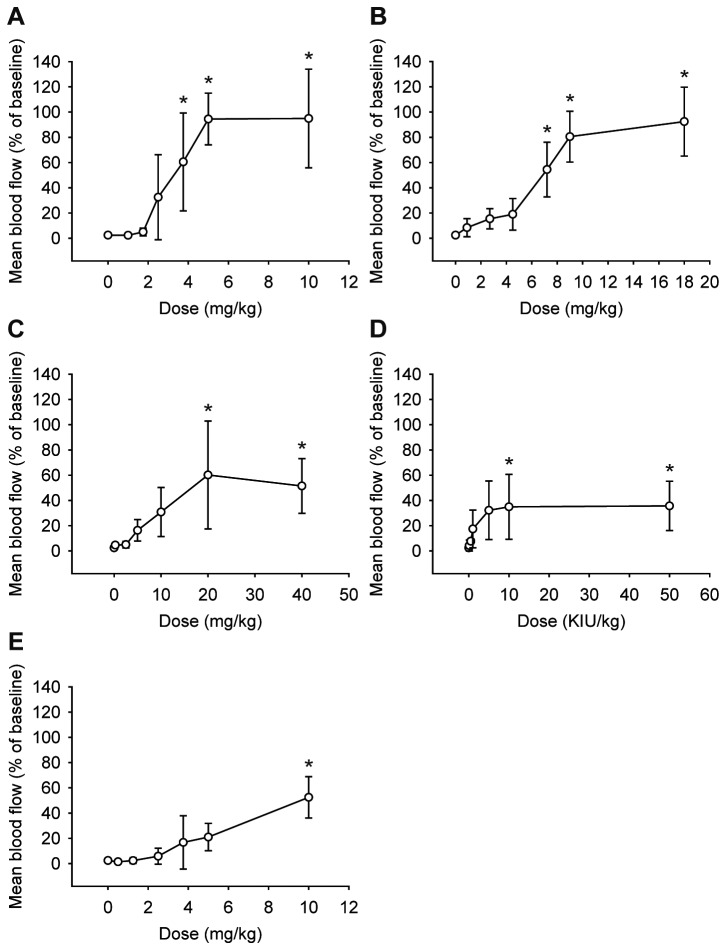
Figure 9. Dose-dependent thrombolytic effects of thrombolytic agents.
Dose-response curves of saxatilin (A), rt-PA (B), u-PA (C), abciximab (D), and tirofiban (E). Saxatilin showed no notable changes until 1.75 mg/kg. Blood flow restored at 2.5 mg/kg, increased dose dependently, was significant at 3.75 mg/kg (p = 0.019), and was nearly baseline at 5 mg/kg; 5 vs. 10 mg/kg saxatilin (p > 0.999). Blood flow restoration was significant at rt-PA 7.2 mg/kg (54.45 ± 21.68%, p = 0.001), u-PA 10,000 IU/kg (34.96 ± 25.74%, p = 0.049), abciximab 20 mg/kg (60.19 ± 42.78%, p = 0.002), and tirofiban 10 mg/kg (52.47 ± 16.36%, p < 0.001).
Figure 10
Figure 10. Thrombolytic effects of saxatilin (A) and rt-PA (B) on the aged thrombus.
a) Mean values of all animals in a group were calculated. Temporal changes are shown as continuous bar graphs (mean ± SD). b) Time-flow curves of all mice in each group. As the thrombus age increases, the thrombolytic effect decreases.

References

    1. Hacke W, Kaste M, Bluhmki E, Brozman M, Dávalos A et al. (2008) Thrombolysis with alteplase 3 to 4.5 hours after acute ischemic stroke. N Engl J Med 359: 1317-1329. doi: 10.1056/NEJMoa0804656. PubMed: 18815396. - DOI - PubMed
    1. Lees KR, Bluhmki E, von Kummer R, Brott TG, Toni D et al. (2010) Time to treatment with intravenous alteplase and outcome in stroke: an updated pooled analysis of ECASS, ATLANTIS, NINDS, and EPITHET trials. Lancet 375: 1695-1703. doi: 10.1016/S0140-6736(10)60491-6. PubMed: 20472172. - DOI - PubMed
    1. Rha JH, Saver JL (2007) The impact of recanalization on ischemic stroke outcome: a meta-analysis. Stroke 38: 967-973. doi: 10.1161/01.STR.0000258112.14918.24. PubMed: 17272772. - DOI - PubMed
    1. Lee KY, Han SW, Kim SH, Nam HS, Ahn SW et al. (2007) Early recanalization after intravenous administration of recombinant tissue plasminogen activator as assessed by pre- and post-thrombolytic angiography in acute ischemic stroke patients. Stroke 38: 192-193. doi: 10.1161/01.STR.0000251788.03914.00. PubMed: 17110611. - DOI - PubMed
    1. Wang YF, Tsirka SE, Strickland S, Stieg PE, Soriano SG et al. (1998) Tissue plasminogen activator (tPA) increases neuronal damage after focal cerebral ischemia in wild-type and tPA-deficient mice. Nat Med 4: 228-231. doi: 10.1038/nm0298-228. PubMed: 9461198. - DOI - PubMed

Publication types

MeSH terms