


Transcriptomics to study the effect of a Mediterranean-inspired diet on inflammation in Crohn's disease patients
- PMID: 24283712
- PMCID: PMC4174666
- DOI: 10.1186/1479-7364-7-24
Transcriptomics to study the effect of a Mediterranean-inspired diet on inflammation in Crohn's disease patients
Abstract
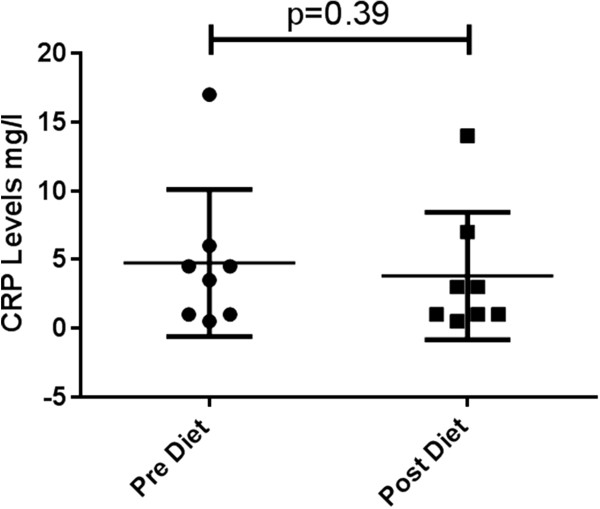
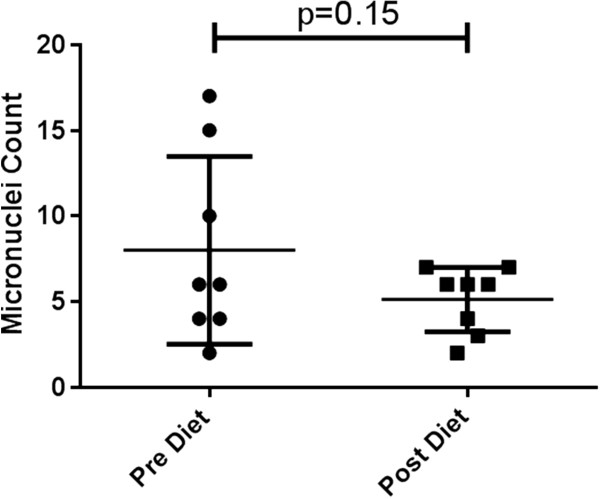
Background: Inflammation is an essential immune response; however, chronic inflammation results in disease including Crohn's disease. Therefore, reducing the inflammation can yield a significant health benefit, and one way to achieve this is through diet. We developed a Mediterranean-inspired anti-inflammatory diet and used this diet in a 6-week intervention in a Crohn's disease population. We examined changes in inflammation and also in the gut microbiota. We compared the results of established biomarkers, C-reactive protein and the micronuclei assay, of inflammation with results from a transcriptomic approach.
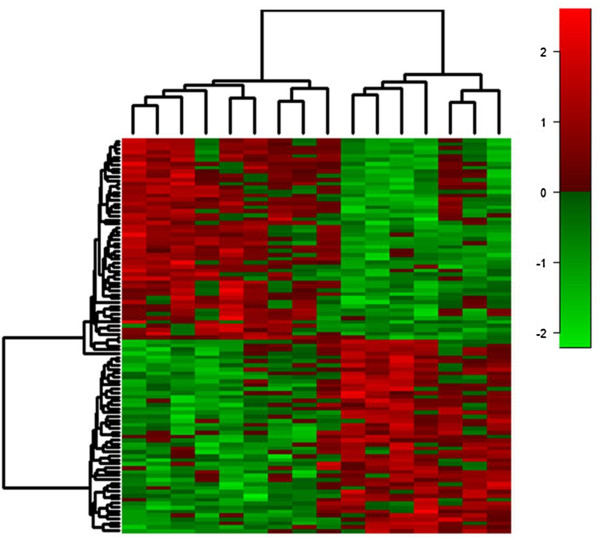
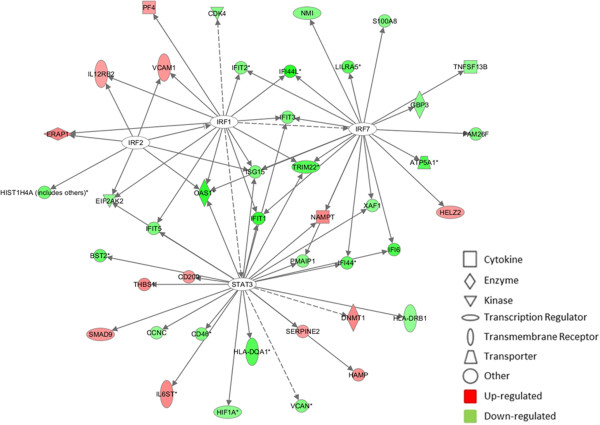
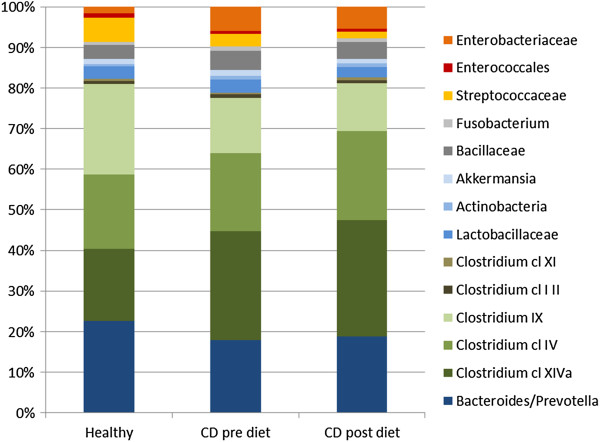
Results: Data showed that being on our diet for 6 weeks was able to reduce the established biomarkers of inflammation. However, using transcriptomics, we observed significant changes in gene expression. Although no single gene stood out, the cumulative effect of small changes in many genes combined to have a beneficial effect. Data also showed that our diet resulted in a trend of normalising the microbiota.
Conclusions: This study showed that our Mediterranean-inspired diet appeared to benefit the health of people with Crohn's disease. Our participants showed a trend for reduced markers of inflammation and normalising of the microbiota. The significant changes in gene expression after 6 weeks highlighted the increased sensitivity of using transcriptomics when compared to the established biomarkers and open up a new era of dietary intervention studies.
Figures
References
-
- Calder PC. Fatty acids and inflammation: the cutting edge between food and pharma. Eur J Pharmacol. 2011;668(Suppl 1):S50–58. - PubMed
-
- Bakker GC, van Erk MJ, Pellis L, Wopereis S, Rubingh CM, Cnubben NH, Kooistra T, van Ommen B, Hendriks HF. An antiinflammatory dietary mix modulates inflammation and oxidative and metabolic stress in overweight men: a nutrigenomics approach. Am J Clin Nutr. 2010;91(4):1044–1059. doi: 10.3945/ajcn.2009.28822. - DOI - PubMed
Publication types
MeSH terms
Substances
LinkOut - more resources
Full Text Sources
Other Literature Sources
Medical
Research Materials
