


Obesity and the Endometrium: Adipocyte-Secreted Proinflammatory TNF α Cytokine Enhances the Proliferation of Human Endometrial Glandular Cells
- PMID: 24288542
- PMCID: PMC3832969
- DOI: 10.1155/2013/368543
Obesity and the Endometrium: Adipocyte-Secreted Proinflammatory TNF α Cytokine Enhances the Proliferation of Human Endometrial Glandular Cells
Abstract
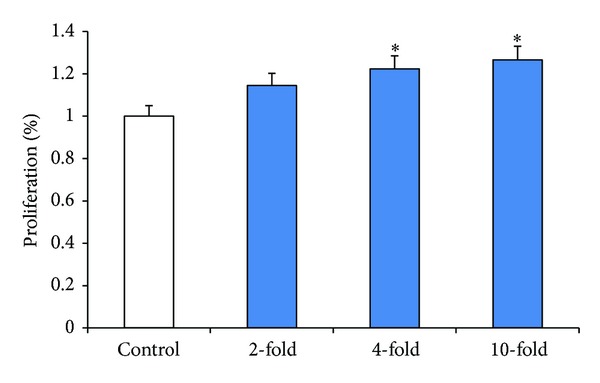
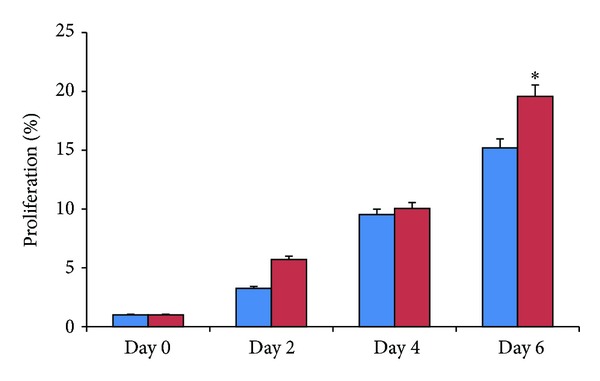
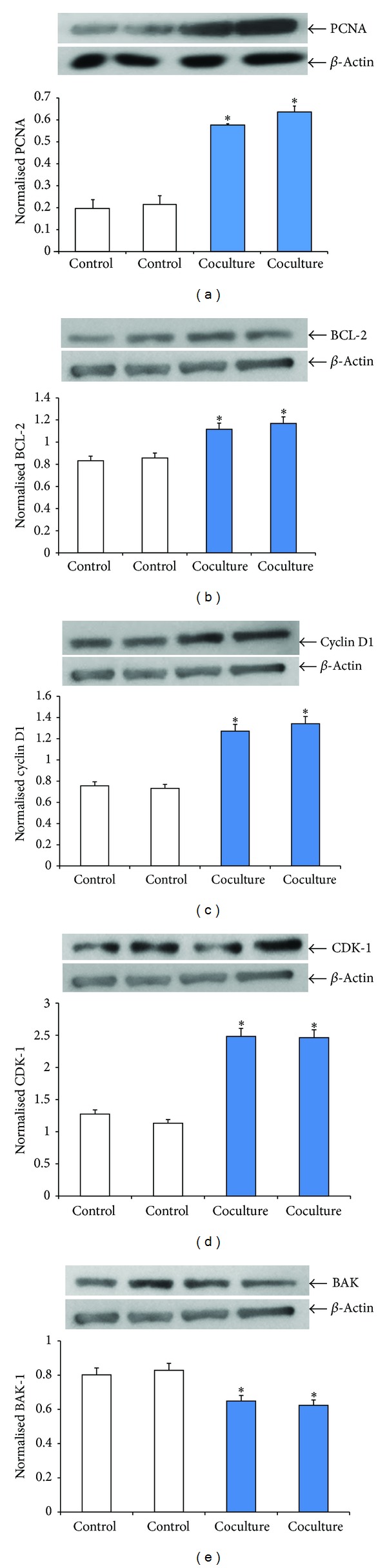
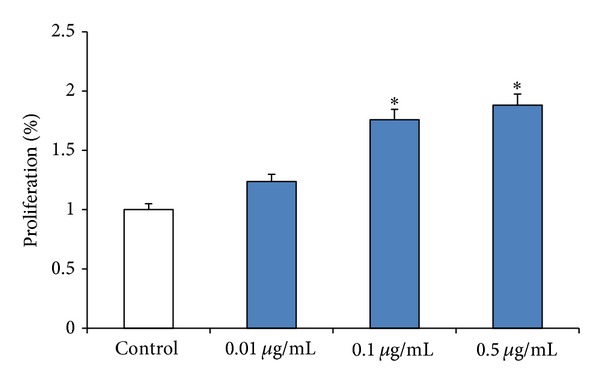
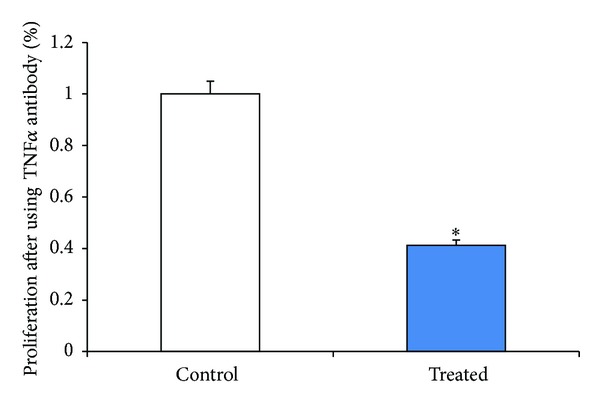
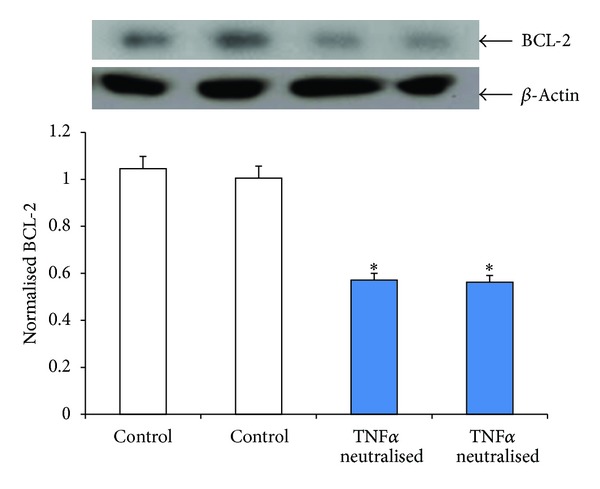
Obesity, a state of chronic inflammation, is associated with poor fertility and low implantation rates and is a well-documented risk factor for endometrial cancer. Adipokines, such as tumor necrosis factor alpha, play an important role in initiation of endometrial cancer. The aim of this study is to evaluate in vitro effects of human adipocyte cells (SW872) on growth of endometrial glandular epithelial cells (EGE). Methods. We measured cell proliferation and expression of cell-growth proteins-proliferating cell nuclear antigen, cyclin D1, cyclin-dependent kinase-1, and apoptotic markers (BCL-2 and BAK) in human EGE cells cocultured with SW872 cells. EGE cells were also evaluated in SW872-conditioned media neutralized with anti-TNF α antibody. Results. A significant increase in EGE cell proliferation was observed in both SW872-conditioned media and in coculture (P < 0.05). We observed an upregulation of proliferation markers PCNA, cyclin D1, CDK-1, and BCL-2 and decrease in BAK (P < 0.05). Neutralization of SW872-conditioned media using anti-TNF α antibodies reversed EGE cell proliferation as indicated by BCL-2 expression. Conclusions. Adipocytes have potent proliferative paracrine effect on EGE cells which may be, in part, mediated via TNF α . Further understanding of the role of obesity in endometrial carcinogenesis should lead to better preventative and therapeutic strategies.
Figures
References
-
- Buchanan EM, Weinstein LC, Hillson C. Endometrial cancer. American Family Physician. 2009;80(10):1075–1088. - PubMed
-
- U.S. Cancer Statistics Working Group. United States Cancer Statistics: 1999–2009 Incidence and Mortality Web-Based Report. Atlanta, Ga, USA: Department of Health and Human Services, Centers for Disease Control and Prevention, and National Cancer Institute; 2013. http://apps.nccd.cdc.gov/uscs/
-
- Allard JE, Maxwell GL. Race disparities between black and white women in the incidence, treatment, and prognosis of endometrial cancer. Cancer Control. 2009;16(1):53–56. - PubMed
-
- Kaaks R, Lukanova A, Kurzer MS. Obesity, endogenous hormones, and endometrial cancer risk: a synthetic review. Cancer Epidemiology Biomarkers and Prevention. 2002;11(12):1531–1543. - PubMed
-
- Calle EE, Kaaks R. Overweight, obesity and cancer: epidemiological evidence and proposed mechanisms. Nature Reviews Cancer. 2004;4(8):579–591. - PubMed
Grants and funding
LinkOut - more resources
Full Text Sources
Other Literature Sources
Research Materials
Miscellaneous
