


KAT5 and KAT6B are in positive regulation on cell proliferation of prostate cancer through PI3K-AKT signaling
- PMID: 24294372
- PMCID: PMC3843266
KAT5 and KAT6B are in positive regulation on cell proliferation of prostate cancer through PI3K-AKT signaling
Abstract
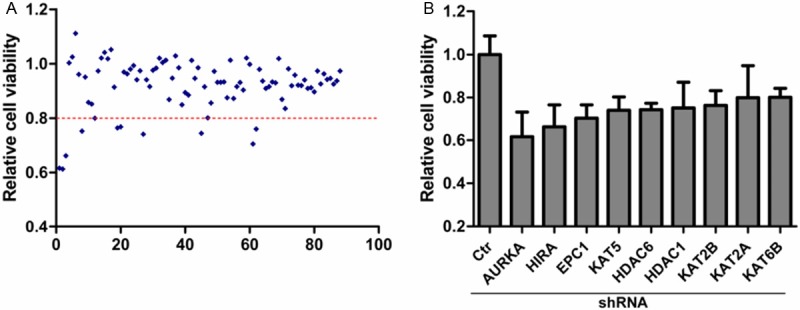
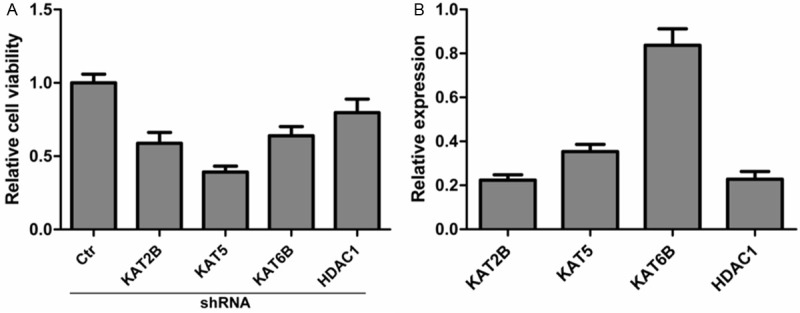
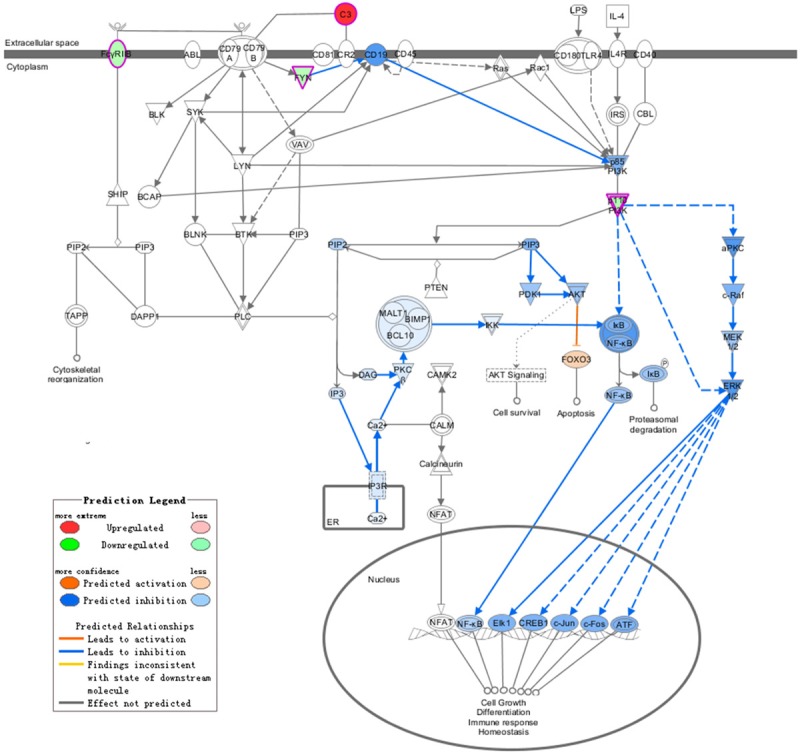
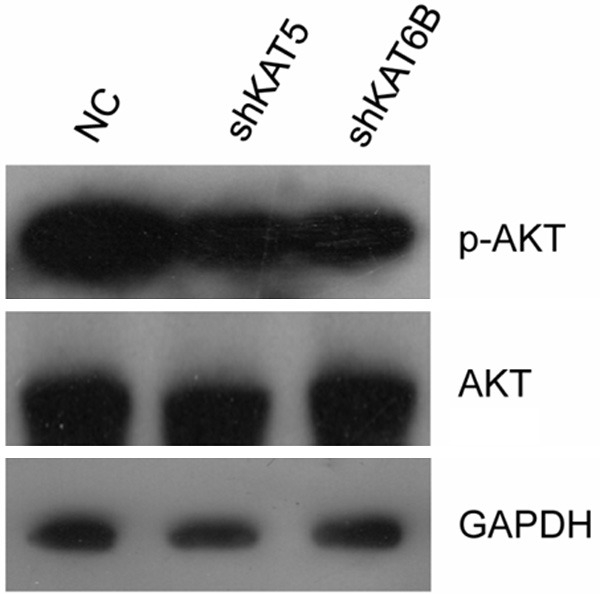
Histone modifications play important roles in the tumorigenesis and progression of prostate cancer (PCa) and genes involved in histone modifications are seemed as ideal targets for treatment of PCa patients. However, clinical trials have shown that those existing drugs exert the minimal antitumor activity and excess adverse effects on PCa patients. Therefore, it is of great interest to figure out novel specific biomarkers to guide the development of new drugs. In present study, an RNAi screening with 44 genes involved in histone modifications was applied to a PCa cell line, Du145. The results showed that nine genes were in positive regulation of Du145 cell growth. Then four selected genes (KAT2B, KAT5, KAT6B and HDAC1) were found to exert this effect by a gene-specific manner when silenced. And then KAT5 or KAT6B silenced cells were subjected to DNA microarray analysis. The common differentially expressed genes were analyzed by Ingenuity Pathway Analysis (IPA) and found that PDEF signaling, EIF2 signaling and PI3K signaling was suppressed following by KAT5 or KAT6B silencing. Subsequent immunoblotting assay showed that AKT signaling was inhibited, which suggested that KAT5 or KAT6B regulates cancer cell growth through PI3K-AKT signaling. Together with our published data [31] that AURKA inhibitoin increased drug sensitivity of DU145, our work demonstrated the underlying mechanism that how the acetylation enzyme regulates cancer cells survial and might provide potential therapeutic targets for prostate cancer patients in future epigenetic drug development.
Keywords: KAT5; KAT6B; PI3K-AKT signaling; Prostate cancer; RNAi screening; histone modifications.
Figures
References
-
- Jemal A, Murray T, Samuels A, Ghafoor A, Ward E, Thun MJ. Cancer statistics, 2003. CA Cancer J Clin. 2003;53:5–26. - PubMed
-
- Schuster-Bockler B, Lehner B. Chromatin organization is a major influence on regional mutation rates in human cancer cells. Nature. 2012;488:504–507. - PubMed
-
- Perry AS, Watson RW, Lawler M, Hollywood D. The epigenome as a therapeutic target in prostate cancer. Nat Rev Urol. 2010;7:668–680. - PubMed
-
- Korkmaz CG, Fronsdal K, Zhang Y, Lorenzo PI, Saatcioglu F. Potentiation of androgen receptor transcriptional activity by inhibition of histone deacetylation--rescue of transcriptionally compromised mutants. J Endocrinol. 2004;182:377–389. - PubMed
MeSH terms
Substances
LinkOut - more resources
Full Text Sources
Medical
Miscellaneous