. 2013 Nov;5(11):835-49.
doi: 10.18632/aging.100616.

SIRT4 regulates ATP homeostasis and mediates a retrograde signaling via AMPK

SIRT4 regulates ATP homeostasis and mediates a retrograde signaling via AMPK

Linh Ho et al. Aging (Albany NY). 2013 Nov.

Abstract

Efficient coupling of cellular energy production to metabolic demand is crucial to maintain organismal homeostasis. Here, we report that the mitochondrial Sirtuin Sirt4 regulates mitochondrial ATP homeostasis. We find that Sirt4 affects mitochondrial uncoupling via the adenine nucleotide translocator 2 (ANT2). Loss of Sirt4 expression leads to decreased cellular ATP levelsin vitro and in vivo while Sirt4 overexpression is associated with increased ATP levels. Further, we provide evidence that lack of Sirt4 activates a retrograde signaling response from the mitochondria to the nucleus that includes AMPK, PGC1α, key regulators of β-oxidation such as Acetyl-CoA carboxylase, and components of the mitochondrial respiratory machinery. This study highlights the ability of Sirt4 to regulate ATP levels via ANT2 and a feedback loop involving AMPK.


Conflict of interest statement

Eric Verdin is member of the advisory board of Sirtris/GSK.

Figures
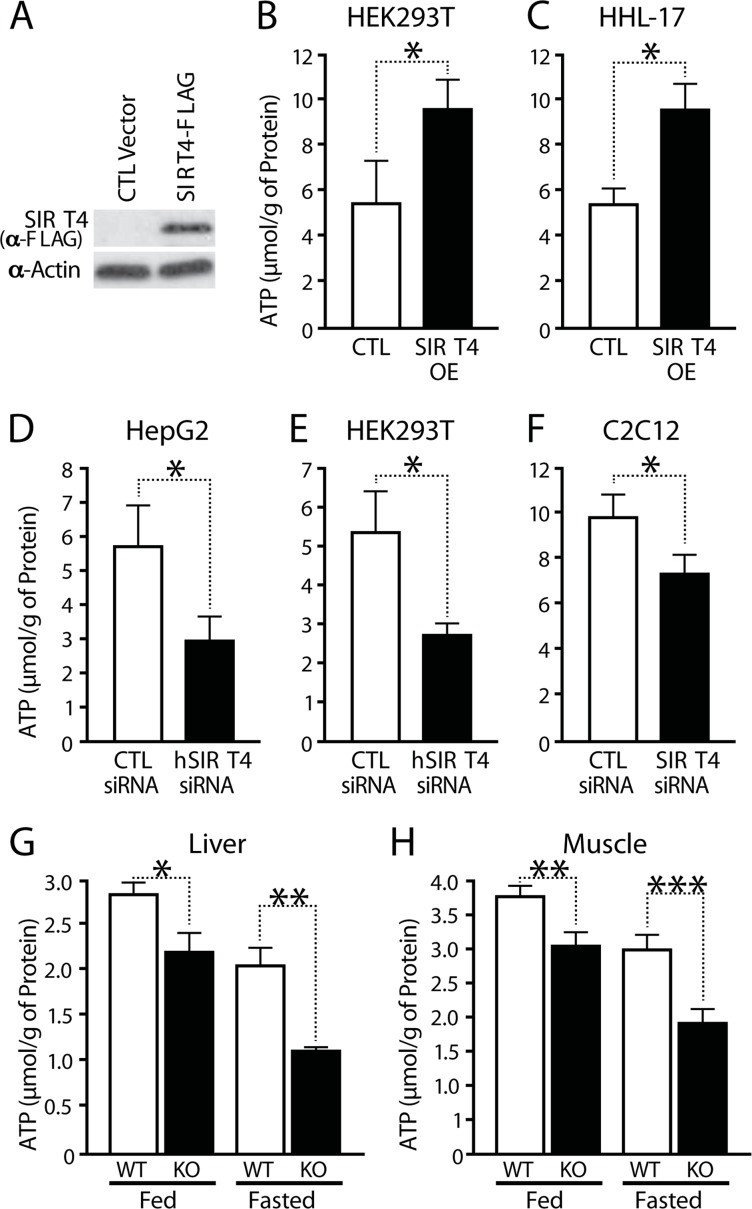
Figure 1
Figure 1. SIRT4 regulates cellular ATP levels
(A) Western blot showing overexpression of Sirt4. (B–F) ATP levels in Sirt4 overexpressing or knockdown cells (HEK293T, HHL-human hepatocytes, HEPG2 and C2C12 myotubes), as indicated. (G, H) ATP levels in wild-type and Sirt4KO (G) liver and (H) muscles under fed and fasted conditions. Statistical significance was calculated using student's t-test: * p < 0.05, ** p < 0.01, *** p < 0.001 or as indicated. Error bars indicate mean values ± SEM.
Figure 2
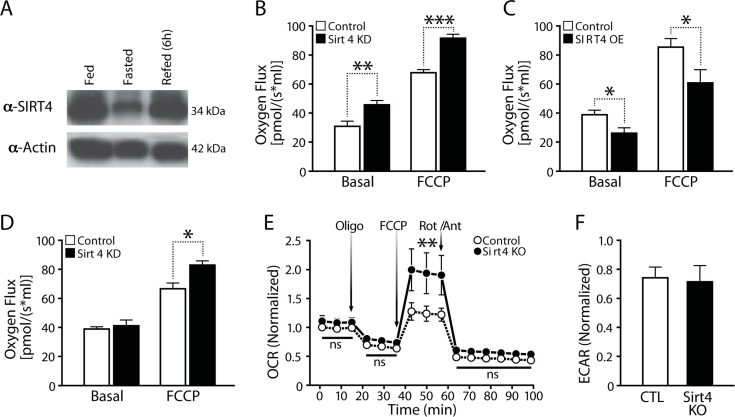
Figure 2. Cellular respiration is negatively associated with Sirt4 expression
(A) Western blot showing liver Sirt4 expression during fed, fasted and refed conditions. (B) and (C) Oxygen flux (respiration) in control, Sirt4KD (B) and Sirt4OE (C) HEK293T cells. (D) Oxygen flux (respiration) in control and Sirt4KD HEK293T cells in media supplemented with 2mM pyruvate. (E) Oxygen consumption rate (OCR, respiration) in primary hepatocytes isolated from wild-type and Sirt4KO mice. OCR was measured under basal and oligomycin, FCCP and Rotenone/Antimycin-A treated conditions (media supplemented with 2mM pyruvate). (F) ECAR (glycolysis flux) in primary hepatocytes isolated from wild-type and Sirt4KO mice. Oxygen flux was measured under basal and FCCP treated conditions. Statistical significance was calculated using student's t-test: * p < 0.05, ** p < 0.01, *** p < 0.001 or as indicated. Error bars indicate mean values ± SEM.
Figure 3
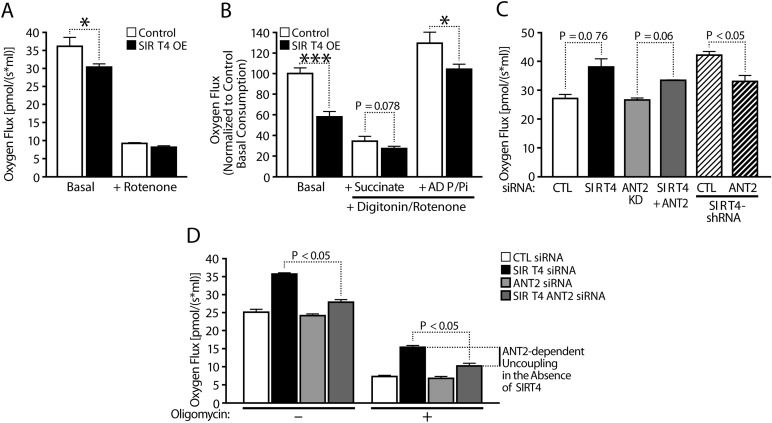
Figure 3. Sirt4 regulates mitochondrial respiration via ANT2-mediated coupling efficiency
(A) Oxygen consumption in control and Sirt4OE HEK293T cells under basal and Rotenone treated conditions. (B) Oxygen consumption in permeabilized control and Sirt4OE HEK293T cells under basal conditions and in response to sequential addition of substrates, succinate and ADP/Pi. Rotenone was added to inhibited complex-I when measuring respiration in response to succinate and ADP/Pi addition, as indicated. (C, D) Oxygen consumption in control and Sirt4KD HEK293T cells under basal (C, D) and oligomycin treated (D) conditions. Sirt4 alone or Sirt4 and ANT2 were simultaneously knocked down to measure ANT2-dependent uncoupled respiration and as indicated. Statistical significance was calculated using student's t-test and ANOVA: * p < 0.05, ** p < 0.01, *** p < 0.001 or as indicated. Error bars indicate mean values ± SEM.
Figure 4
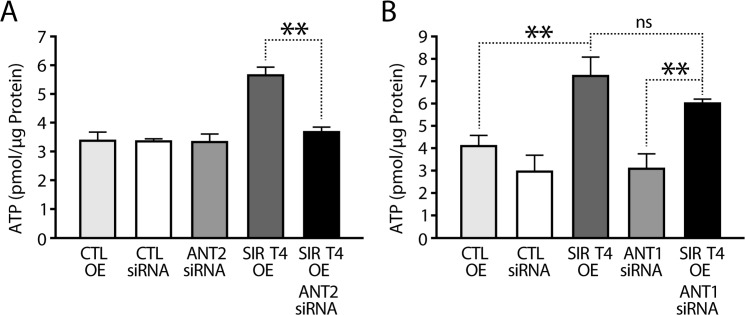
Figure 4. SIRT4 regulates ATP in an ANT2-dependent manner
(A) ATP levels in HEK293T cells that were transfected with control, ANT2-siRNA, Sirt4-FLAG and Sirt4-FLAG/ANT2-siRNA constructs, as indicated. # indicates p < 0.05 for cells transfected with Sirt4-FLAG in the presence or absence of ANT2 (+/− ANT2-siRNA). (B) ATP levels in HEK293T cells that were transfected with control, ANT1-siRNA, Sirt4-FLAG and Sirt4-FLAG/ANT1-siRNA constructs, as indicated. Statistical significance was calculated using student's t-test and ANOVA: * p < 0.05, ** p < 0.01, *** p < 0.001 or as indicated. Error bars indicate mean values ± SEM.
Figure 5
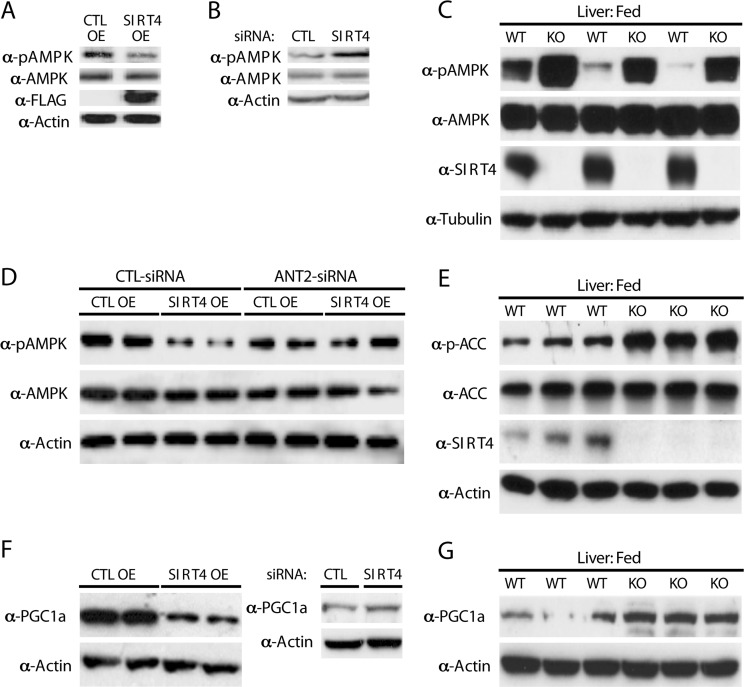
Figure 5. Sirt4 deficiency initiates a homeostatic feedback loop via ANT2/AMPK
(A) Western blots for p-AMPK, AMPK, Sirt4-FLAG and actin in control and Sirt4OE HEK293T cells. (B) Western blots for p-AMPK, AMPK and actin in control and Sirt4KD HEK293T cells. (C) Western blots for p-AMPK, AMPK, Sirt4 and tubulin in liver lysates from wild-type and Sirt4KO mice under fed conditions. (D) Western blots for p-AMPK, AMPK and actin in control and Sirt4OE HEK293T cells in the presence or absence of ANT2 (+/− ANT2-siRNA), as indicated. (E) Western blots for p-ACC, ACC, Sirt4 and actin in liver lysates from wild-type and Sirt4KO mice under fed conditions. (F) Western blots for PGC1α and actin in control and Sirt4OE or Sirt4KD HEK293T cells, as indicated. (G) Western blots for PGC1α and actin in liver lysates from wild-type and Sirt4KO mice under fed conditions.
Figure 6
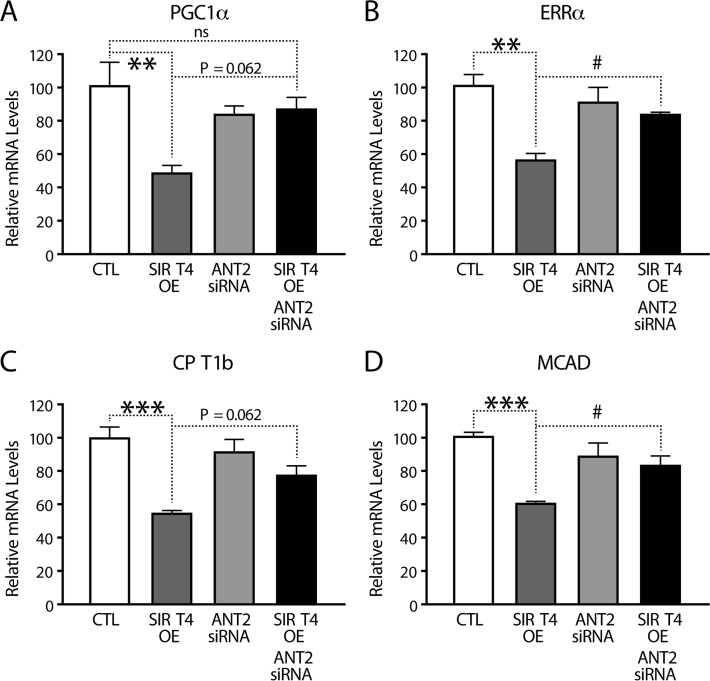
Figure 6. Sirt4-AMPK mediated retrograde signaling regulates FAO gene expression
(A–D) Quantitative RT-PCR of genes involved in fatty acid oxidation (A) PGC1α, (B) ERRα, (C) CPT1b and (D) MCAD from RNA isolated from HEK293T cells transfected with control, Sirt4-FLAG, ANT2-siRNA and Sirt4-FLAG/ANT2-siRNA constructs. Statistical significance was calculated using ANOVA: * p < 0.05, ** p < 0.01, *** p < 0.001 or as indicated. Error bars indicate mean values ± SEM.
Figure 7
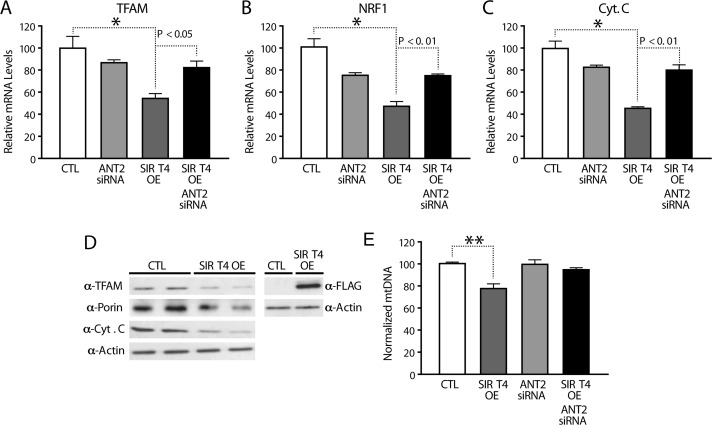
Figure 7. Sirt4 regulates expression of nuclear encoded mitochondrial genes in a feedback loop via ANT2/AMPK/PGC1α signaling
(A–C) Quantitative RT-PCR of nuclear encoded mitochondrial genes (A) TFAM, (B) NRF1 and (C) Cytochrome C from RNA isolated from HEK293T cells transfected with control, Sirt4-FLAG, ANT2-siRNA and Sirt4-FLAG/ANT2-siRNA constructs. (D) Western blots for TFAM, Porin, Cytochrome C, Sirt4-FLAG and actin in control and Sirt4OE HEK293T cells. (E) Quantitative RT-PCR of mitochondrial DNA (normalized to nuclear DNA) in DNA isolated from HEK293T cells transfected with control, Sirt4-FLAG, ANT2-siRNA and Sirt4-FLAG/ANT2-siRNA constructs. Statistical significance was calculated using ANOVA: * p < 0.05, ** p < 0.01, *** p < 0.001 or as indicated. Error bars indicate mean values ± SEM.
Figure 8
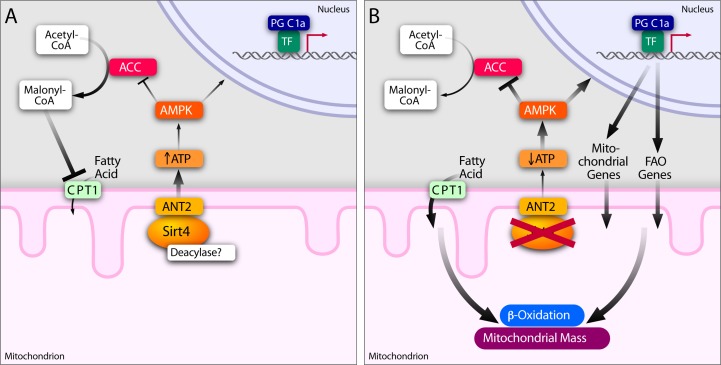
Figure 8. Sirt4-ANT2 interplay regulates energy homeostasis and mediates a retrograde signaling from mitochondria
Sirt4-ANT2 interaction in the mitochondria is required for cellular ATP homeostasis. Sirt4-dependent increase in ATP reduces AMPK activity to mediate a retrograde signaling to affect ACC and PGC1α functions. In Sirt4 deficient conditions, ANT2-dependent uncoupling results in a reduction in cellular ATP levels and activates AMPK. Since acylation of ANT2 is known to uncouple mitochondria, we speculate that Sirt4 possesses a deacylase activity. AMPK activation in the absence of Sirt4 consequently leads to phosphorylation of ACC (inhibitory effect), which is known to reduce malonyl CoA levels in the cytosol and thus increase mitochondrial fatty acid uptake (via de-repression of CPT1). In addition, AMPK activation in the absence of Sirt4 increases the expression of PGC1α and its downstream targets involved in beta-oxidation and mitochondrial biogenesis. Together, we propose that Sirt4 in the mitochondria mediates a feedback control to regulate fatty acid metabolism and OXPHOS components.

References

    1. Nunnari J, Suomalainen A. Mitochondria: in sickness and in health. Cell. 2012;148:1145–1159. - PMC - PubMed
    1. Haigis M, Sinclair D. Mammalian sirtuins: biological insights and disease relevance. Annu Rev Pathol. 2010;5:253–295. - PMC - PubMed
    1. Schwer B, Verdin E. Conserved metabolic regulatory functions of sirtuins. Cell Metab. 2008;7:104–112. - PubMed
    1. Ghosh S, George S, Roy U, Ramachandran D, Kolthur-Seetharam U. NAD: A master regulator of transcription. Biochim Biophys Acta. 2010;1799:681–693. - PubMed
    1. Imai S. The NAD World: a new systemic regulatory network for metabolism and aging-Sirt1, systemic NAD biosynthesis, and their importance. Cell Biochem Biophys. 2009;53:65–74. - PMC - PubMed

Publication types

MeSH terms

LinkOut - more resources