. 2013 Dec 1;19(23):6398-403.
doi: 10.1158/1078-0432.CCR-13-0734.

Can immunity to breast cancer eliminate residual micrometastases?

Affiliations

Can immunity to breast cancer eliminate residual micrometastases?

Mary L Disis et al. Clin Cancer Res. .

Abstract

An effective immune response has the potential for breast cancer sterilization with marked reduction in the potential for disease relapse. Adaptive type I immune cells uniquely have the capability of (i) cytotoxic T-cell activation and proliferation until all antigen expressing cells are eradicated, (ii) traversing endothelial barriers to penetrate tumor deposits wherever they occur, and (iii) immunologic memory, which allows the persistence of destructive immunity over the years it may take for breast cancer micrometastases to become clinically evident. Numerous recent investigations suggest that some breast cancers stimulate the type of immunity that results in a decreased risk of relapse. Moreover, the endogenous type I tumor microenvironment or type I immunity induced by drugs or biologic agents may improve response to standard therapies, further lowering the probability of disease recurrence.


Figures

Figure 1
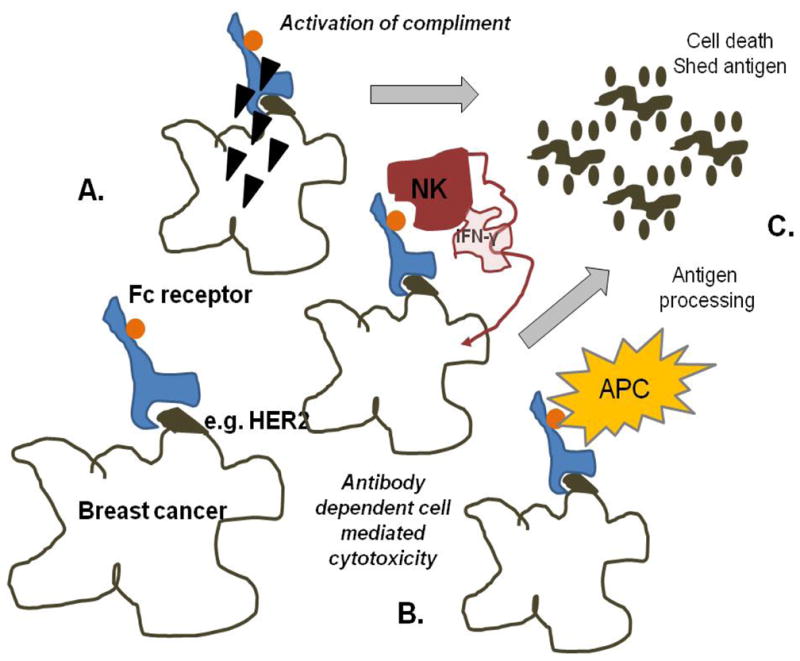
Figure 1. Mab both increase Type I cells in the breast cancer microenvironment and “auto vaccinate”
(A) Dependent on the antibody isotype, mAb can fix complement resulting in direct lysis of cells to which the antibody binds. (B) Many mAb mediate ADCC, the recruitment of NK and other immune system cells to the tumor via Fc receptor binding. NK cells are a major source of secreted IFN-g which activates APC. (C) Antigen shed by tumor lysis is taken up by the activated APC and presented to T-cells, stimulating Th1 and CTL in the IFN-g rich microenvironment.
Figure 2
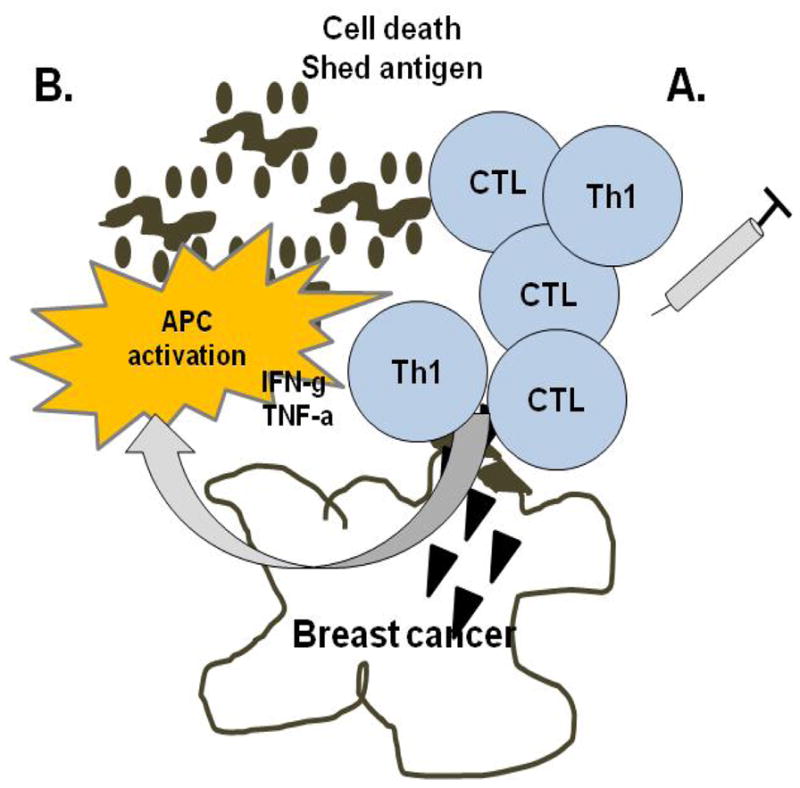
Figure 2. Vaccine induced tumor T-cell infiltrates
(A) Active antigen specific immunization aims to induce Type I adaptive immunity outside the immune suppressive tumor microenvironment. (B) T-cells, homing to tumor and secreting Type I cytokines, both modulate the tumor microenvironment by activating APC and directly lysing tumor cells. The resultant shed antigen, now in a Type I environment, further drives destructive immunity.
Figure 3
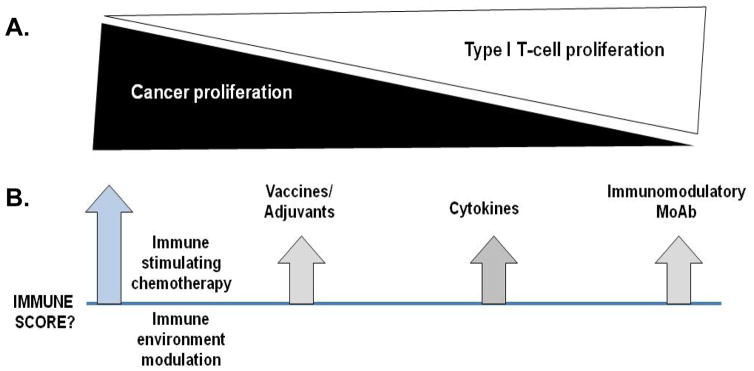
Figure 3. An approach to immune eradication of residual micrometastases in breast cancer
(A) Based on prognostic signatures, consideration must be given to both controlling breast cancer growth as well as increasing Type 1 T-cells in the tumor environment. (B) Based on the initial immune score at the time of diagnosis multi-modality treatment approaches with concurrent and/or sequential strategies may be able to achieve the optimal immune score in all breast cancer patients rather than in just a minority.

References

    1. Disis ML. Immune regulation of cancer. J Clin Oncol. 2010;28:4531–8. - PMC - PubMed
    1. Kristensen VN, Vaske CJ, Ursini-Siegel J, Van Loo P, Nordgard SH, Sachidanandam R, et al. Integrated molecular profiles of invasive breast tumors and ductal carcinoma in situ (DCIS) reveal differential vascular and interleukin signaling. Proc Natl Acad Sci U S A. 2012;109:2802–7. - PMC - PubMed
    1. Liu F, Lang R, Zhao J, Zhang X, Pringle GA, Fan Y, et al. CD8(+) cytotoxic T cell and FOXP3(+) regulatory T cell infiltration in relation to breast cancer survival and molecular subtypes. Breast Cancer Res Treat. 2011;130:645–55. - PubMed
    1. Tabchy A, Ma CX, Bose R, Ellis MJ. Incorporating genomics into breast cancer clinical trials and care. Clin Cancer Res. 2013;19:xx–xx. - PubMed
    1. Rody A, Karn T, Liedtke C, Pusztai L, Ruckhaeberle E, Hanker L, et al. A clinically relevant gene signature in triple negative and basal-like breast cancer. Breast Cancer Research: BCR. 2011;13:R97. - PMC - PubMed

Publication types

MeSH terms