


Aqueous extract of Annona macroprophyllata: a potential α-glucosidase inhibitor
- PMID: 24298552
- PMCID: PMC3835905
- DOI: 10.1155/2013/591313
Aqueous extract of Annona macroprophyllata: a potential α-glucosidase inhibitor
Abstract
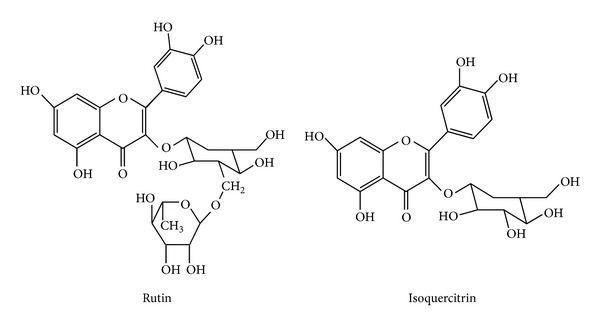
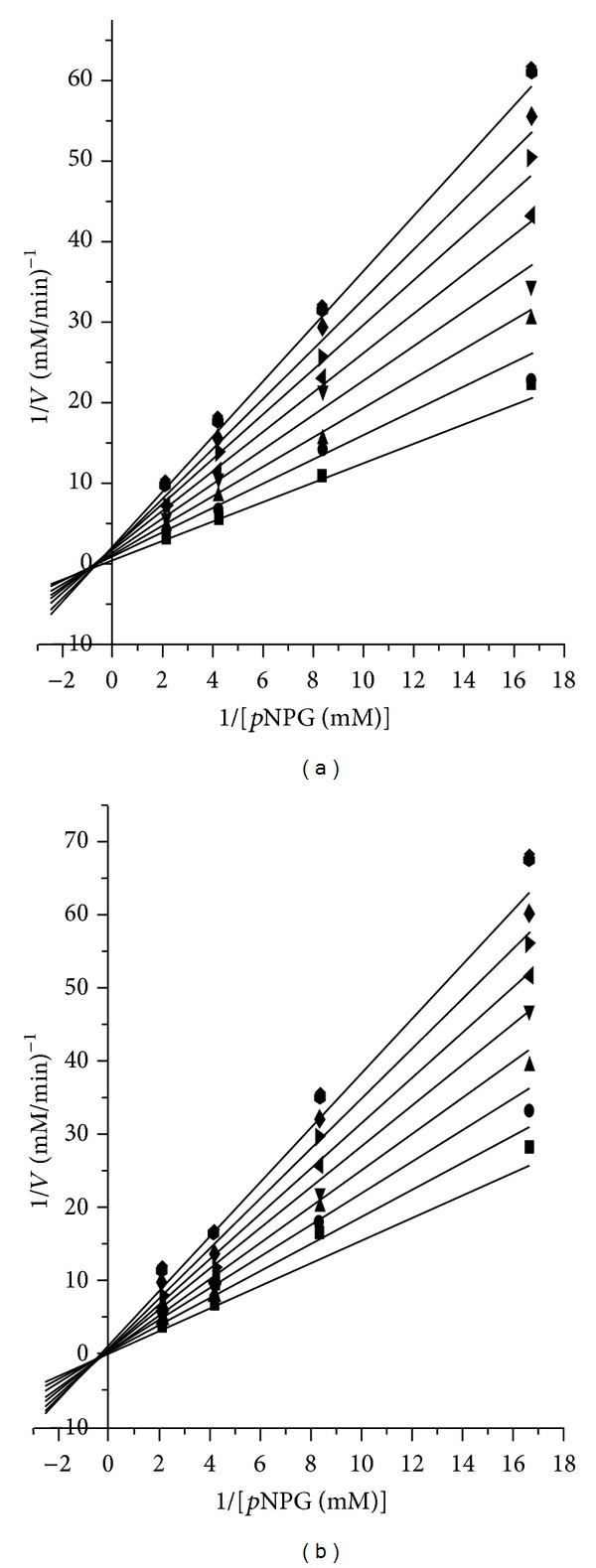
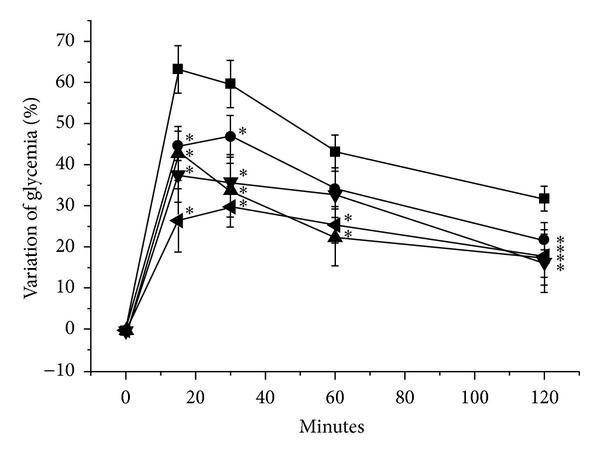
Annona genus contains plants used in folk medicine for the treatment of diabetes. In the present study, an aqueous extract prepared from Annona macroprophyllata (Annonaceae, also known as A. diversifolia) leaves was evaluated on both the activity of yeast α -glucosidase (an in vitro assay) and sucrose tolerance in Wistar rats. The results have shown that the aqueous extract from A. macroprophyllata inhibits the yeast α -glucosidase with an IC₅₀ = 1.18 mg/mL, in a competitive manner with a K(i) = 0.97 mg/mL, a similar value to that of acarbose (K(i) = 0.79 mg/mL). The inhibitory activity of A. macroprophyllata was reinforced by its antihyperglycemic effect, at doses of 100, 300, and 500 mg/kg in rats. Chromatographic analysis identified the flavonoids rutin and isoquercitrin in the most polar fractions of A. macroprophyllata crude extract, suggesting that these flavonoids are part of the active constituents in the plant. Our results support the use of A. macroprophyllata in Mexican folk medicine to control postprandial glycemia in people with diabetes mellitus, involving active constituents of flavonoid nature.
Figures
References
-
- Wild S, Roglic G, Green A, Sicree R, King H. Global prevalence of diabetes: estimates for the year 2000 and projections for 2030. Diabetes Care. 2004;27(5):1047–1053. - PubMed
-
- Kerner W, Brückel J. Definition, classification, and diagnosis of diabetes mellitus. Diabetologie und Stoffwechsel. 2009;4(2):S115–S117.
-
- Bonora E, Muggeo M. Postprandial blood glucose as a risk factor for cardiovascular disease in type II diabetes: the epidemiological evidence. Diabetologia. 2001;44(12):2107–2114. - PubMed
-
- Ceriello A. Postprandial hyperglycemia and diabetes complications: is it time to treat? Diabetes. 2005;54(1):1–7. - PubMed
-
- Quezada-Calvillo R, Robayo-Torres CC, Opekun AR, et al. Contribution of mucosal maltase-glucoamylase activities to mouse small intestinal starch α-glucogenesis. Journal of Nutrition. 2007;137(7):1725–1733. - PubMed
Publication types
MeSH terms
Substances
LinkOut - more resources
Full Text Sources
Other Literature Sources
