


Amplitude-integrated EEG and range-EEG modulation associated with pneumatic orocutaneous stimulation in preterm infants
- PMID: 24310443
- PMCID: PMC3943746
- DOI: 10.1038/jp.2013.150
Amplitude-integrated EEG and range-EEG modulation associated with pneumatic orocutaneous stimulation in preterm infants
Abstract
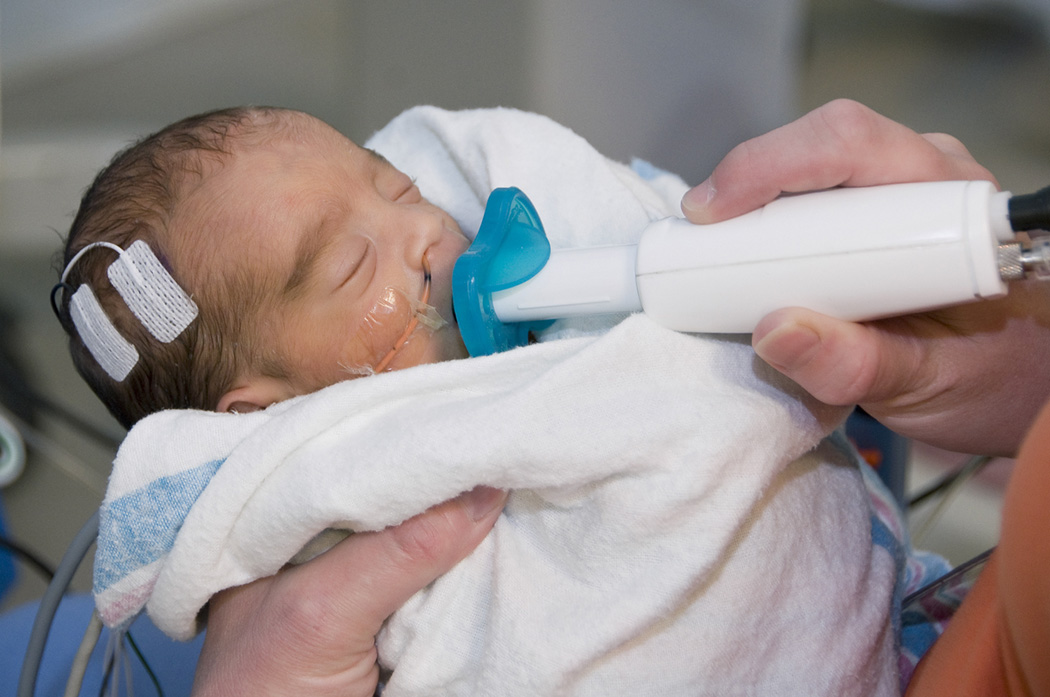
Objective: Controlled somatosensory stimulation strategies have demonstrated merit in developing oral feeding skills in premature infants who lack a functional suck, however, the effects of orosensory entrainment stimulation on electrocortical dynamics is unknown. The objective of the study was to determine the effects of servo-controlled pneumatic orocutaneous stimulation presented during gavage feedings on the modulation of amplitude-integrated electroencephalogram (aEEG) and range electroencephalogram (rEEG) activity.
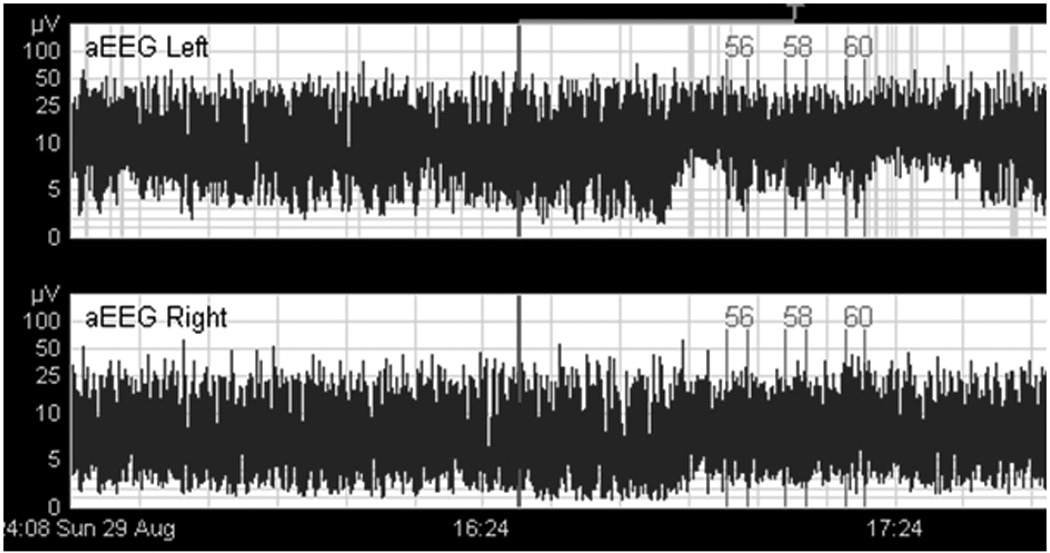
Study design: Two-channel EEG recordings were collected during 180 sessions that included orocutaneous stimulation and non-stimulation epochs among 22 preterm infants (mean gestational age=28.56 weeks) who were randomized to treatment and control 'sham' conditions. The study was initiated at around 32 weeks post-menstrual age. The raw EEG was transformed into aEEG margins, and rEEG amplitude bands measured at 1-min intervals and subjected to a mixed models statistical analysis.
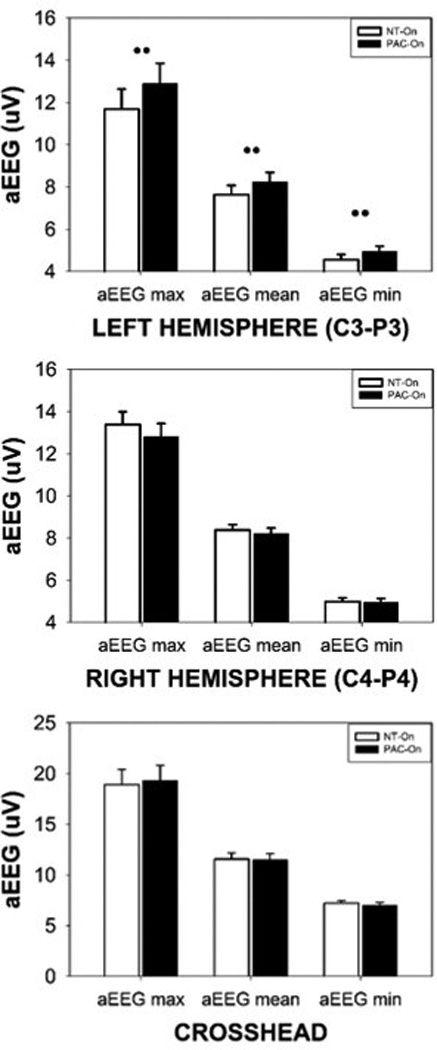
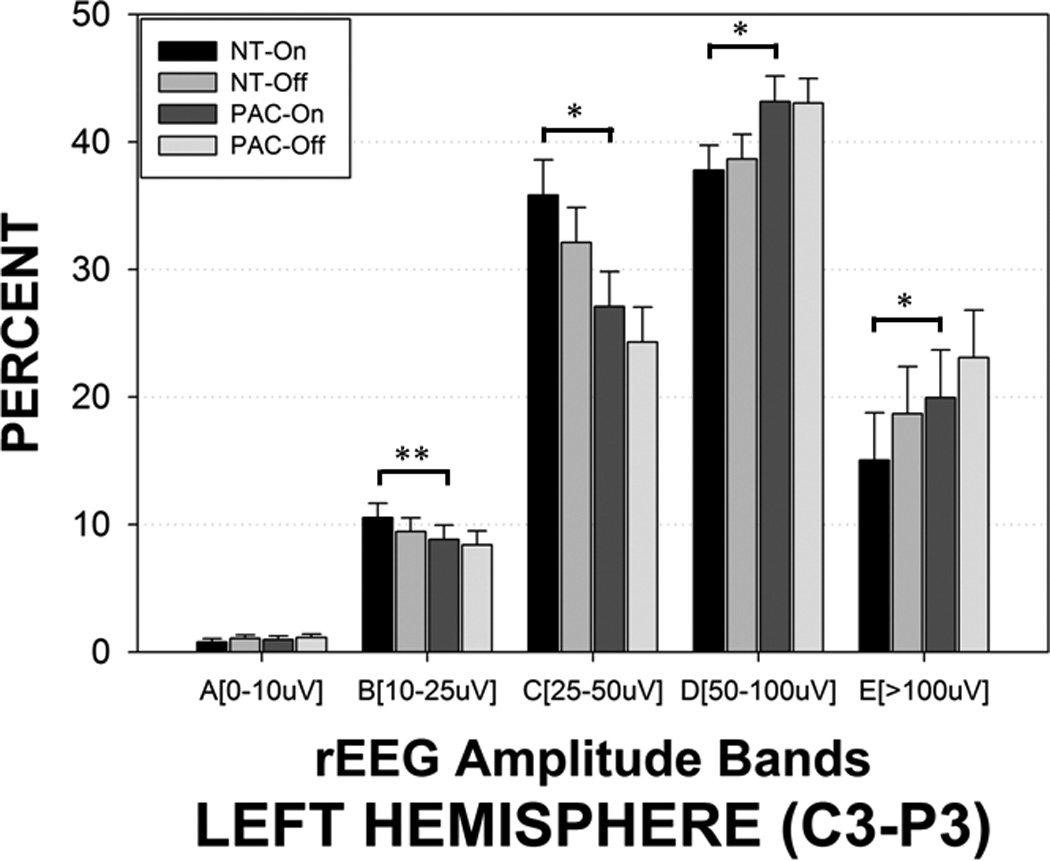
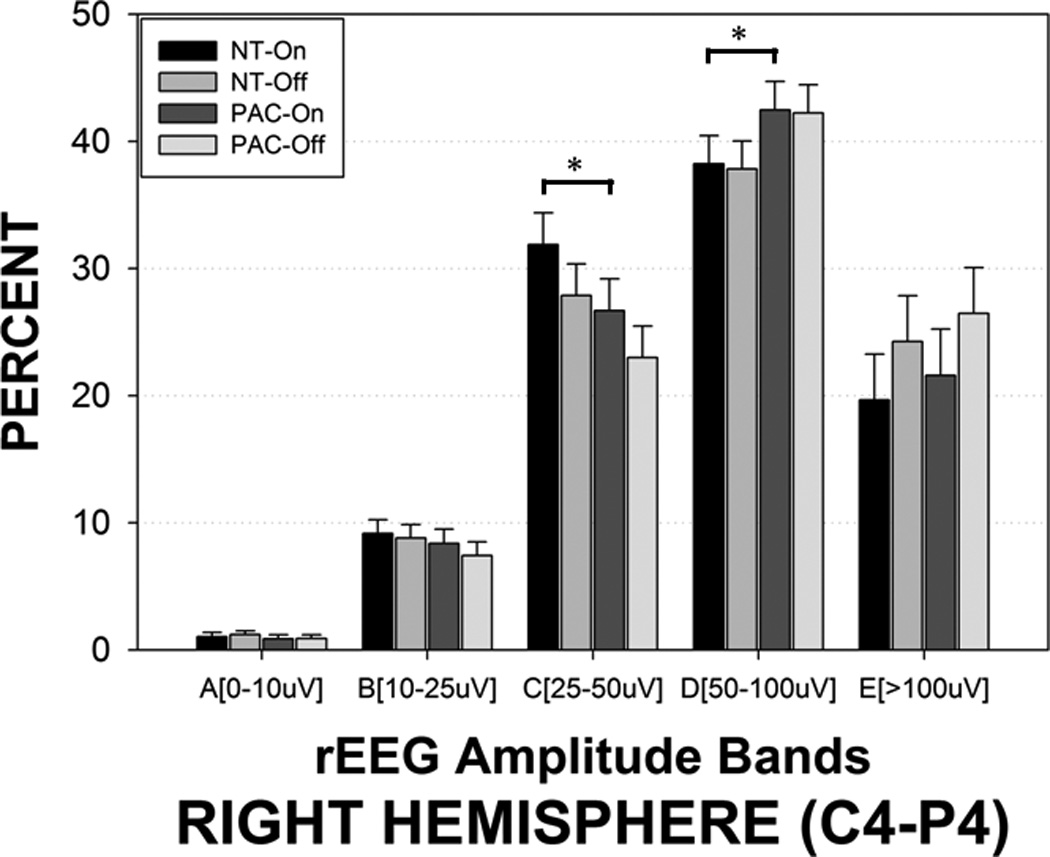
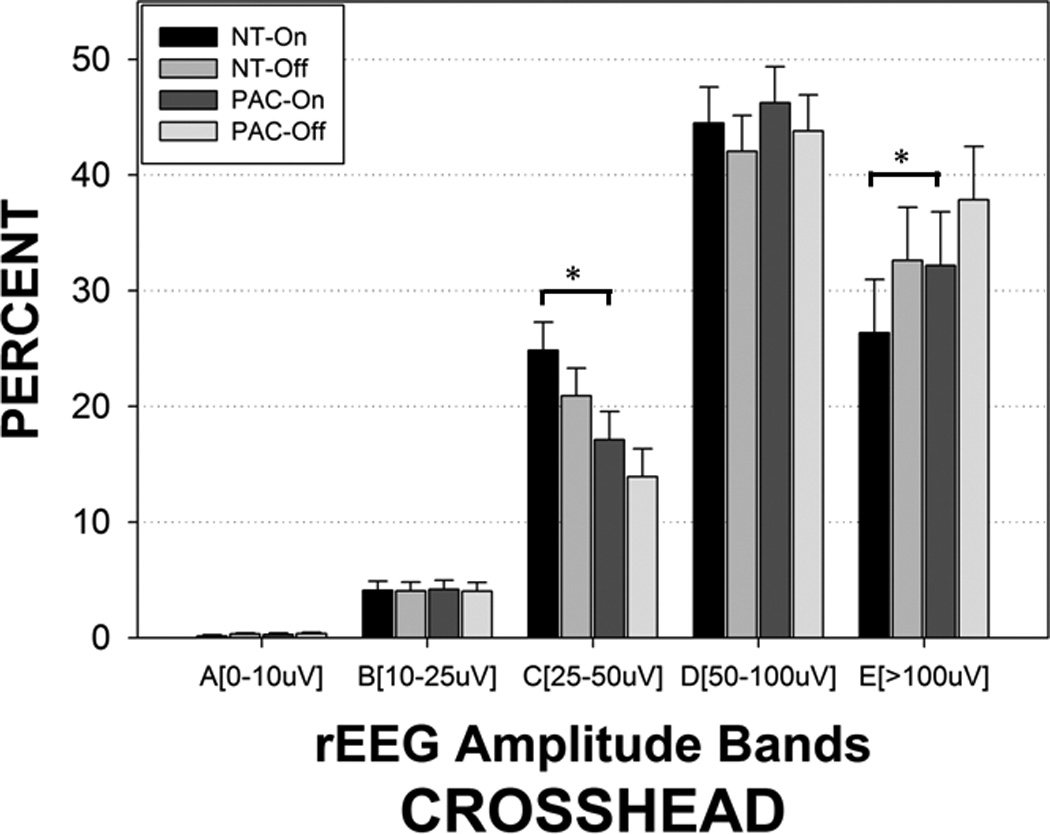
Result: Multiple significant effects were observed in the processed EEG during and immediately following 3-min periods of orocutaneous stimulation, including modulation of the upper and lower margins of the aEEG, and a reorganization of rEEG with an apparent shift from amplitude bands D and E to band C throughout the 23-min recording period that followed the first stimulus block when compared with the sham condition. Cortical asymmetry also was apparent in both EEG measures.
Conclusion: Orocutaneous stimulation represents a salient trigeminal input, which has both short- and long-term effects in modulating electrocortical activity, and thus is hypothesized to represent a form of neural adaptation or plasticity that may benefit the preterm infant during this critical period of brain maturation.
Figures
References
-
- Rocha AD, Moreira MEL, Pimenta HP, Ramos JRM, Lucena SL. A randomized study of the efficacy of sensory-motor-oral stimulation and non-nutritive sucking in very low birth weight infant. Early Hum Dev. 2007;83:385–388. - PubMed
-
- Barlow SM, Lee J, Wang J, Oder A, Hall S, Knox K, Weatherstone K, Thompson D. Frequency-modulated orocutaneous stimulation promotes non-nutritive suck development in preterm infants with respiratory distress syndrome or chronic lung disease, and preterm infants of diabetic mothers. J Perinatology. acceptable pending revision. - PMC - PubMed
-
- Bingham P, Ashikaga T, Abbasi S. Prospective study of non-nutritive sucking and feeding skills in premature infants. Arch Dis Child Fetal Neonatal Ed. 2010;95:F194–F200. - PubMed
Publication types
MeSH terms
Grants and funding
LinkOut - more resources
Full Text Sources
Other Literature Sources
Medical
