


Basal septal hypertrophy
- PMID: 24313643
- PMCID: PMC3941097
- DOI: 10.2174/1573403x09666131202125424
Basal septal hypertrophy
Abstract
A significant clinical problem is patients presenting with exercise-limiting dyspnoea, sometimes with associated chest pain, in the absence of detectable left ventricular (LV) systolic dysfunction, coronary artery disease, or lung disease. Often the patients are older, female, and have isolated basal septal hypertrophy (BSH), frequently on a background of mild hypertension. The topic of breathlessness in patients with clinical heart failure, but who have a normal ejection fraction (HFNEF) has attracted significant controversy over the past few years. This review aims to analyse the literature on BSH, identify the possible associations between BSH and HFNEF, and consequently explore possible pathophysiological mechanisms whereby clinical symptoms are experienced.
Figures
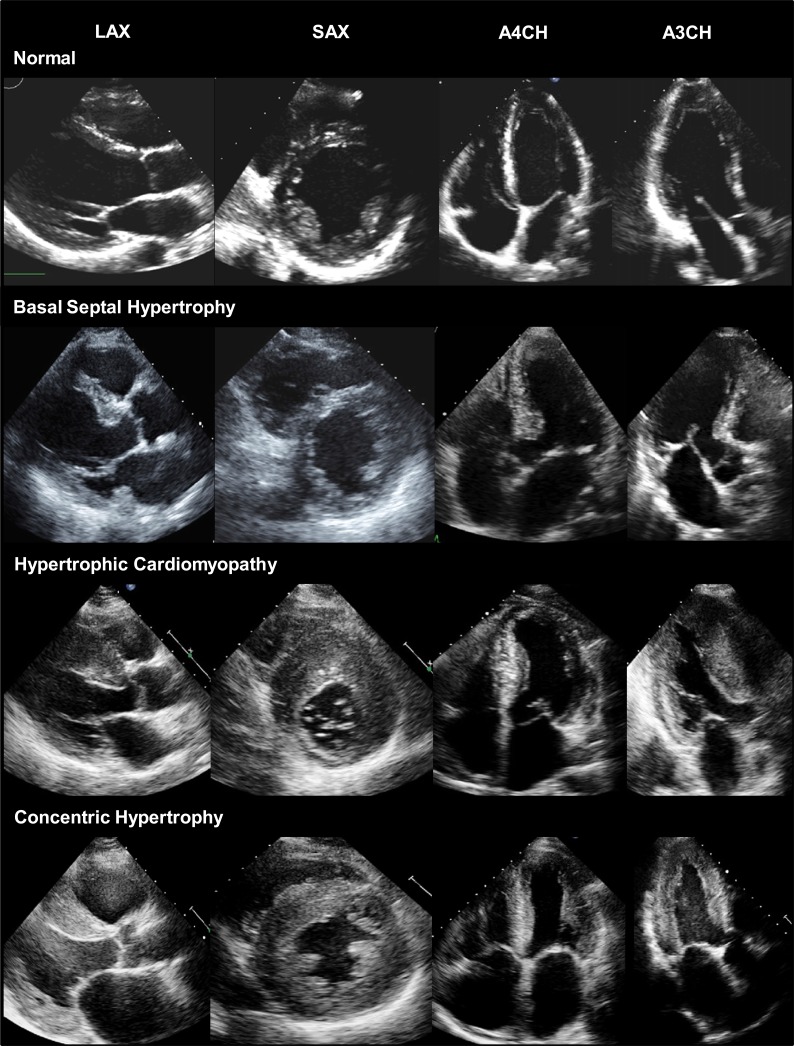
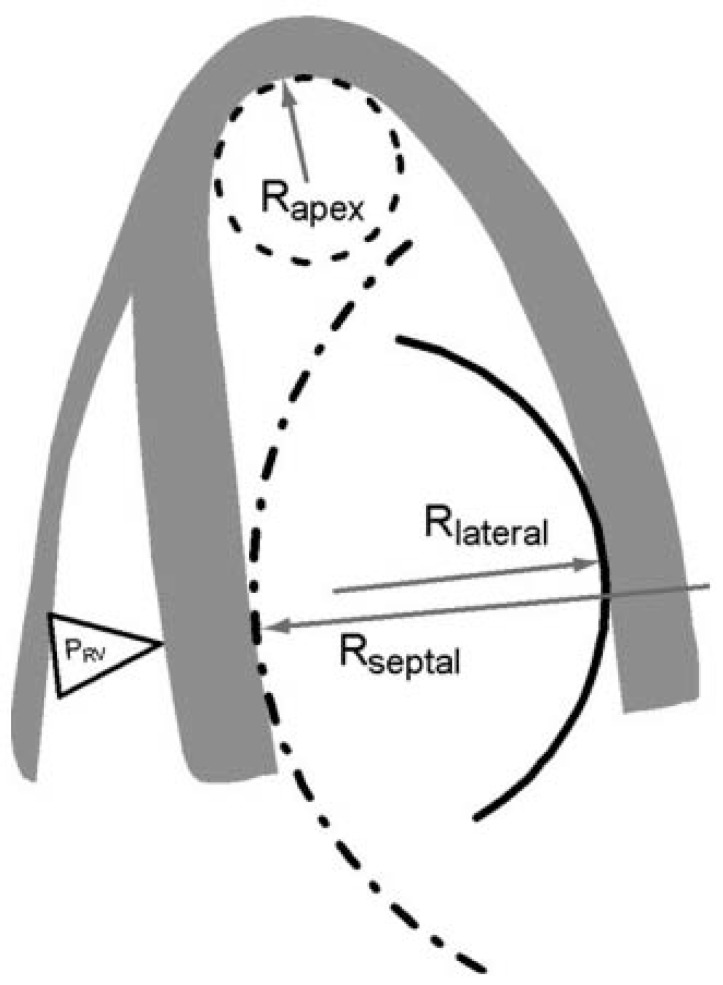
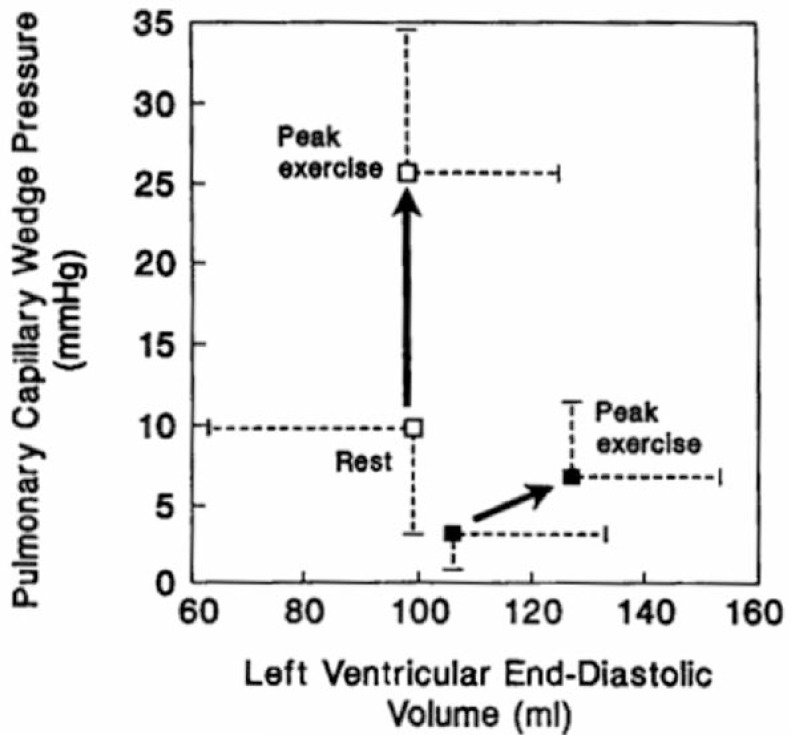
References
-
- Maron BJ, Edwards JE, Epstein SE. Disproportionate ventricular thickening in patients with systemic hypertension. Chest. 1978;73(4):466–70. - PubMed
-
- Shapiro LM, Howat AP, Crean PA, Westgate CJ. An echocardiographic study of localized subaortic hypertrophy. Eur Heart J. 1986;7(2):127–32. - PubMed
-
- Belenkie I, MacDonald RPR, Smith ER. Localized septal hypertrophy: Part of the spectrum of hypertrophic cardiomyopathy or an incidental echocardiographic finding?. Am Heart J. 1988;115(2):385–90. - PubMed
-
- Gardin JM, Palabrica T, Dubria S , et al. Localized basal ventricular septal hypertrophy - prevalence. functional and clinical correlates in a population referred for echocardiography. Am J Noninvas Card. 1992;6(1):5–8.
-
- Swinne CJ, Shapiro EP, Jamart J, Fleg JL. Age-associated changes in left ventricular outflow tract geometry in normal subjects. Am J Cardiol. 1996;78(9):1070–3. - PubMed
Publication types
MeSH terms
LinkOut - more resources
Full Text Sources
Other Literature Sources
Miscellaneous