


Tension band wiring in olecranon fractures: the myth of technical simplicity and osteosynthetical perfection
- PMID: 24326359
- PMCID: PMC3971280
- DOI: 10.1007/s00264-013-2208-7
Tension band wiring in olecranon fractures: the myth of technical simplicity and osteosynthetical perfection
Abstract
Purpose: The tension band wiring (TBW) technique is a common treatment for the fixation of olecranon fractures with up to three fragments. The literature and surgeons describe TBW as an uncomplicated, always available and convenient operation producing excellent results. The purpose of this study was to determine whether TBW is more ambitious than believed or the procedure provides an increased level of tolerance concerning the surgical technique.
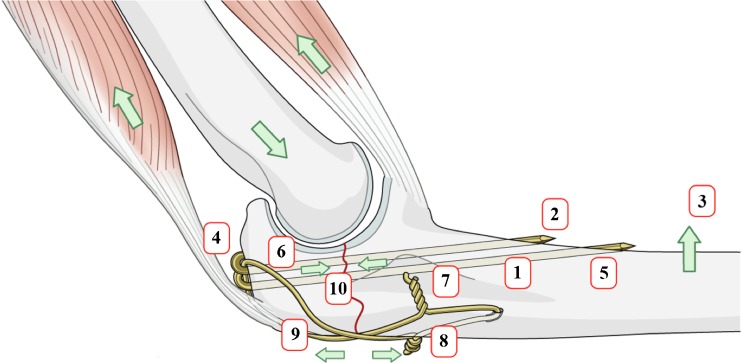
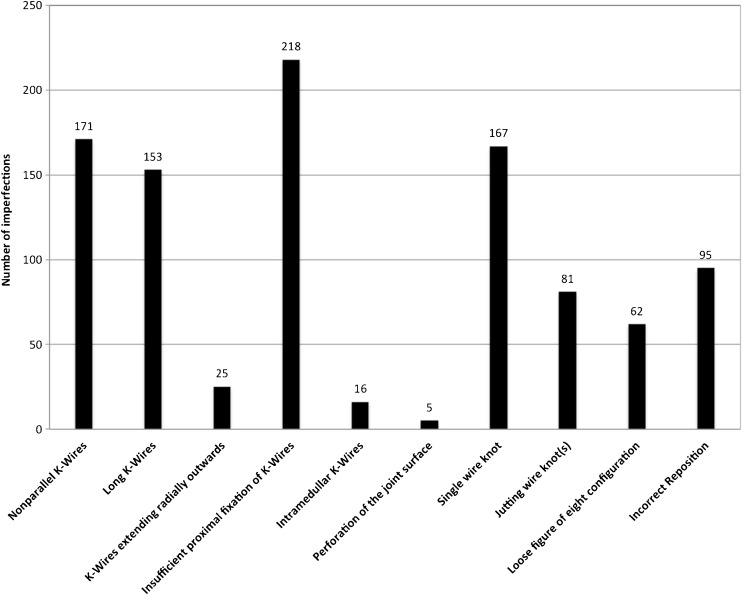
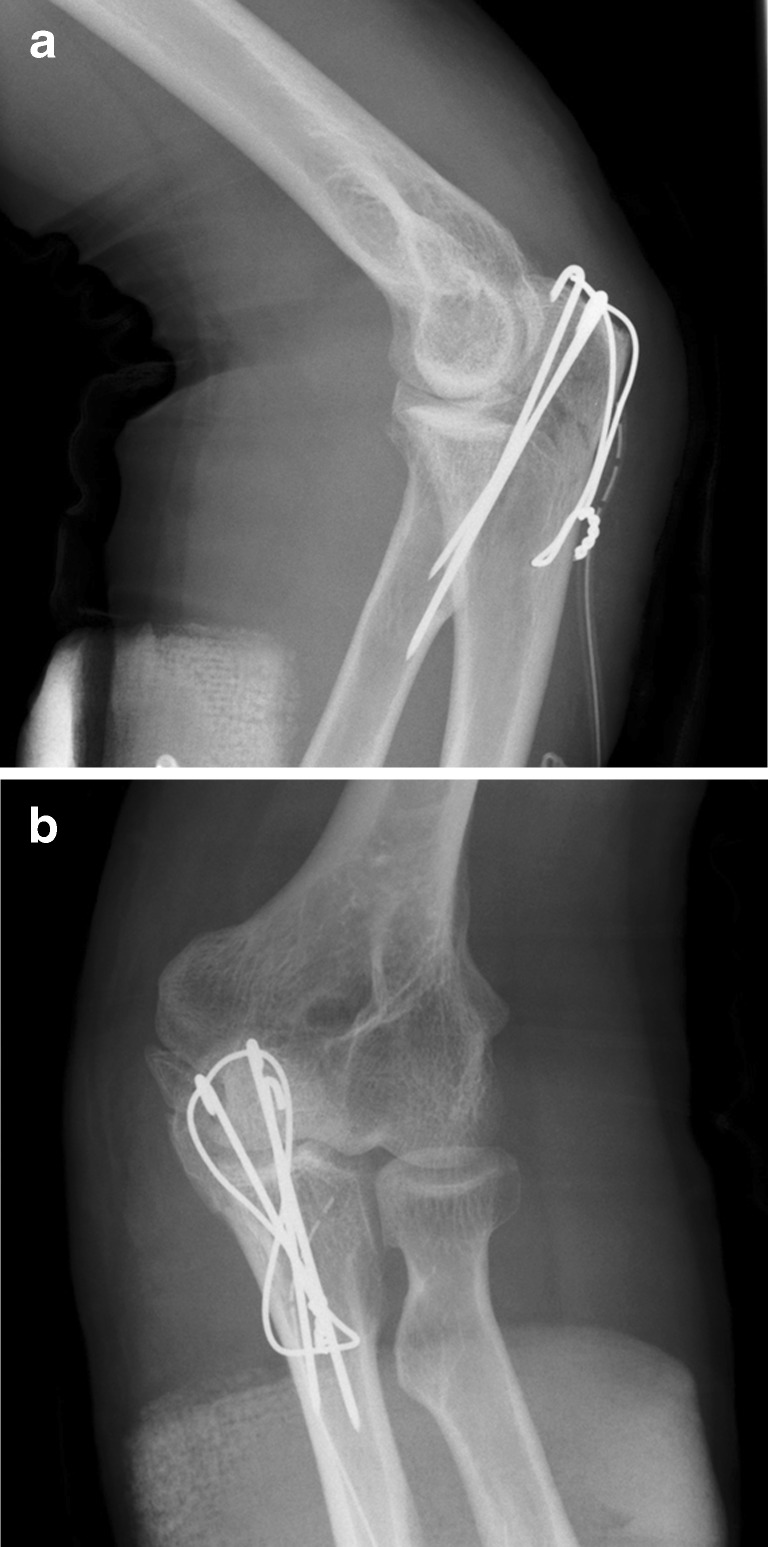
Methods: This study reviewed 239 TBW cases in patients with olecranon fractures or osteotomies. We reviewed a total of 2,252 X-rays for ten operative imperfections: (1) nonparallel K-wires, (2) long K-wires, (3) K-wires extending radially outwards, (4) insufficient fixation of the proximal ends of the K-wires, (5) intramedullary K-wires, (6) perforation of the joint surface, (7) single wire knot, (8) jutting wire knot(s), (9) loose figure-of-eight configuration, and (10) incorrect repositioning.
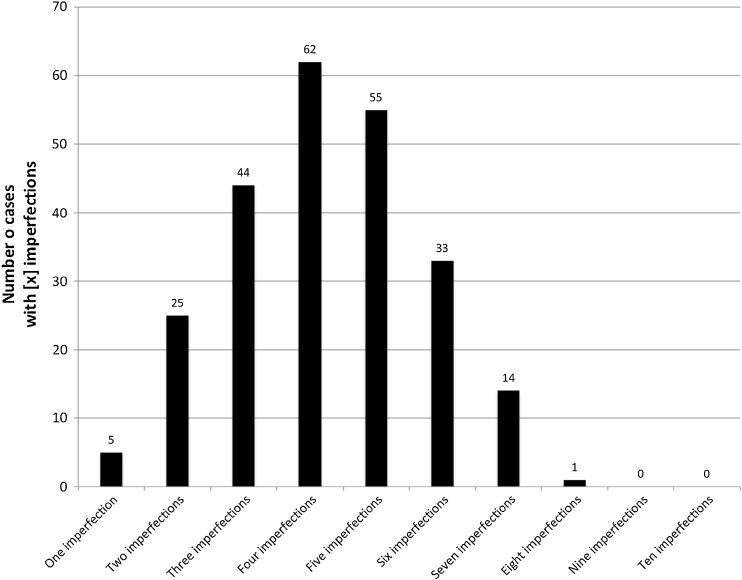
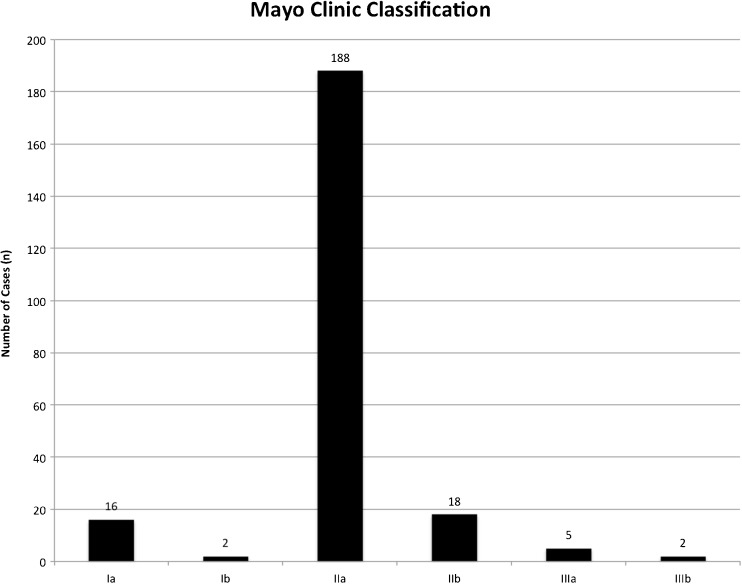
Results: On average, there were 4.24 imperfections per intervention in the cases reviewed. A total of 1,014 of 2,390 possible imperfections were detected. The most frequent imperfections were insufficient fixation of the proximal ends of the K-wires (91% of all cases), the use of a single wire knot (78%) and nonparallel K-wires (72%). Mayo IIa (n = 188) was the most common fracture type.
Conclusions: Our results and the number of complications described by the literature together support the conclusion that TBW is not as easy as surgeons and the literature suggest. Although bone healing and the functional results of TBW are excellent in most cases, the challenges associated with this operation are underestimated.
Level of evidence: IV, treatment study.
Figures



References
-
- Helm RH, Hornby R, Miller SWM. The complications of surgical treatment of displaced fractures of the olecranon. Injury. 1987;18(1):48–50. - PubMed
-
- Macko D, Szabo RM. Complications of tension-band wiring of olecranon fractures. J Bone Joint Surg Am. 1985;67(9):1396–1401. - PubMed
-
- Karlsson MK, Hasserius R, Karlsson C, et al. Fractures of the olecranon: a 15- to 25-year followup of 73 patients. Clin Orthop Relat Res. 2002;403:205–212. - PubMed
-
- Murphy DF, Greene WB, Gilbert JA, et al. Displaced olecranon fractures in adults. Biomechanical analysis of fixation methods. Clin Orthop Relat Res. 1987;224:210–214. - PubMed
MeSH terms
LinkOut - more resources
Full Text Sources
Other Literature Sources
Medical
Research Materials
