Hydrogen sulfide attenuates sFlt1-induced hypertension and renal damage by upregulating vascular endothelial growth factor
- PMID: 24335973
- PMCID: PMC3968492
- DOI: 10.1681/ASN.2013030291
Hydrogen sulfide attenuates sFlt1-induced hypertension and renal damage by upregulating vascular endothelial growth factor
Abstract
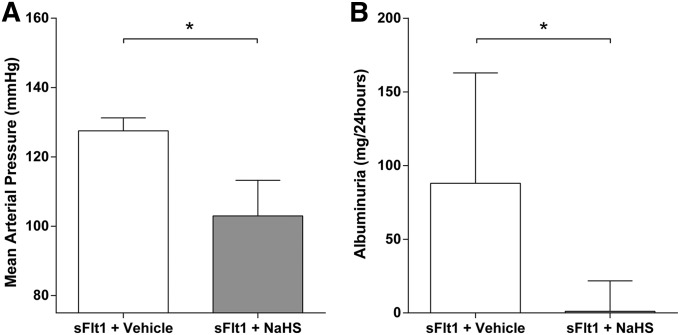
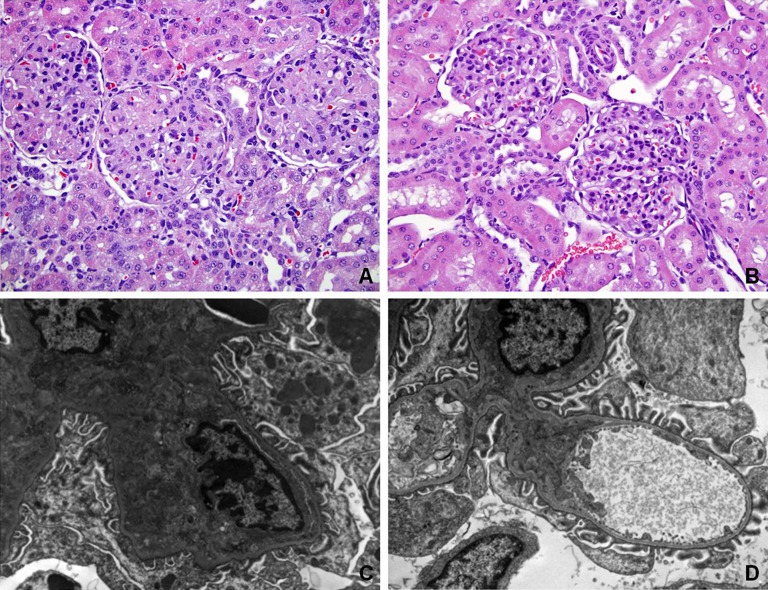
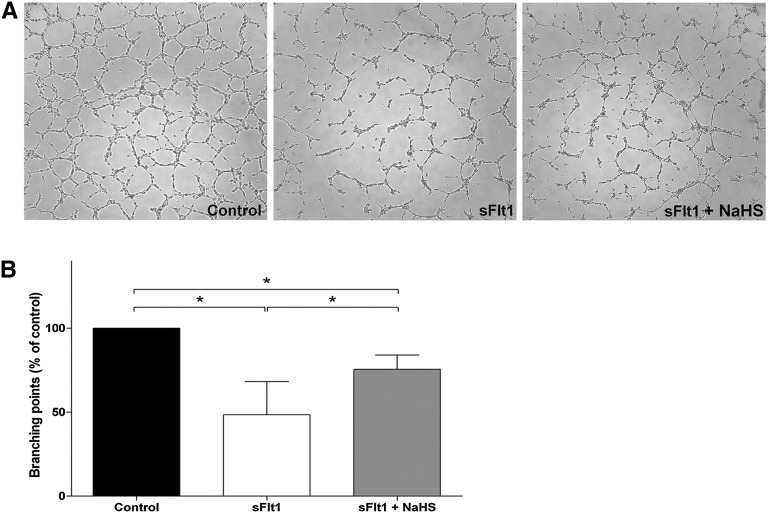
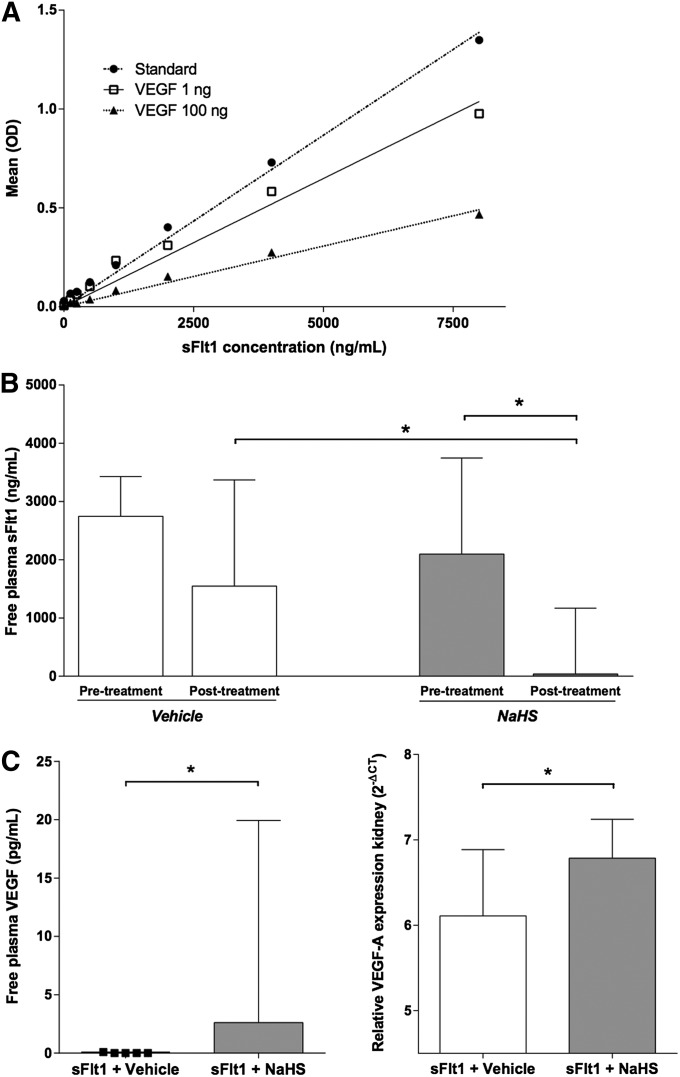
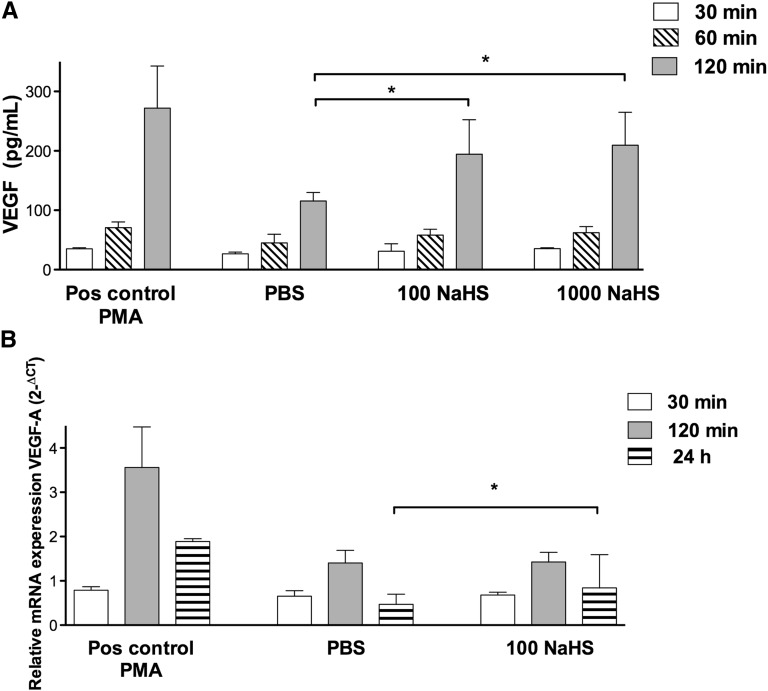
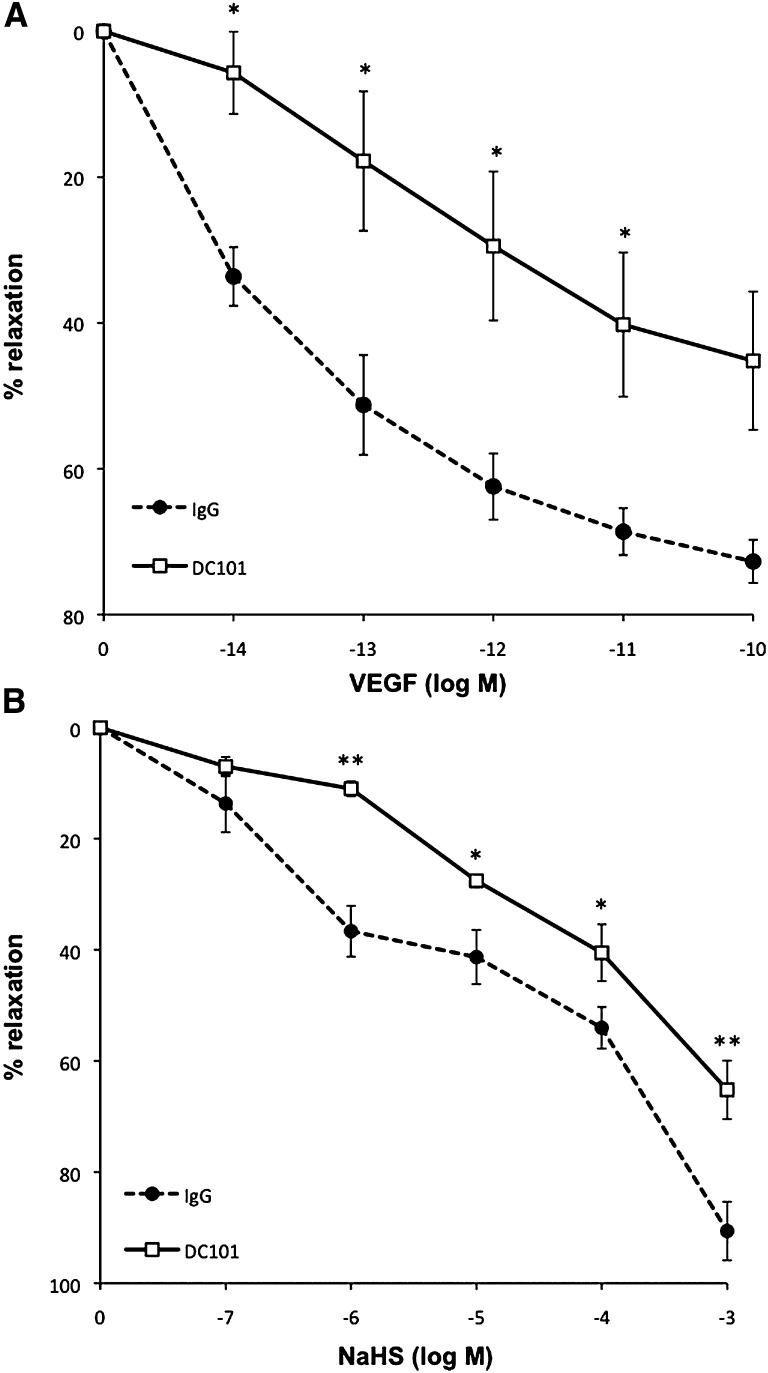
Soluble fms-like tyrosine kinase 1 (sFlt1), a circulating antiangiogenic protein, is elevated in kidney diseases and contributes to the development of preeclampsia. Hydrogen sulfide is a vasorelaxant and proangiogenic gas with therapeutic potential in several diseases. Therefore, we evaluated the potential therapeutic effect and mechanisms of action of hydrogen sulfide in an animal model of sFlt1-induced hypertension, proteinuria, and glomerular endotheliosis created by adenovirus-mediated overexpression of sFlt1 in Sprague-Dawley rats. We injected sFlt1-overexpressing animals intraperitoneally with the hydrogen sulfide-donor sodium hydrosulfide (NaHS) (50 µmol/kg, twice daily) or vehicle (n=7 per group). Treatment with NaHS for 8 days significantly reduced sFlt1-induced hypertension, proteinuria, and glomerular endotheliosis. Measurement of plasma protein concentrations with ELISA revealed a reduction of free plasma sFlt1 and an increase of free plasma vascular endothelial growth factor (VEGF) after treatment with NaHS. Renal VEGF-A mRNA expression increased significantly with NaHS treatment. In vitro, NaHS was proangiogenic in an endothelial tube assay and attenuated the antiangiogenic effects of sFlt1. Stimulation of podocytes with NaHS resulted in both short-term VEGF release (120 minutes) and upregulation of VEGF-A mRNA levels (24 hours). Furthermore, pretreatment of mesenteric vessels with a VEGF receptor 2-neutralizing antibody significantly attenuated NaHS-induced vasodilation. These results suggest that hydrogen sulfide ameliorates sFlt1-induced hypertension, proteinuria, and glomerular endotheliosis in rats by increasing VEGF expression. Further studies are warranted to evaluate the role of hydrogen sulfide as a novel therapeutic agent for vascular disorders such as preeclampsia.
Figures
References
-
- Levine RJ, Maynard SE, Qian C, Lim KH, England LJ, Yu KF, Schisterman EF, Thadhani R, Sachs BP, Epstein FH, Sibai BM, Sukhatme VP, Karumanchi SA: Circulating angiogenic factors and the risk of preeclampsia. N Engl J Med 350: 672–683, 2004 - PubMed
-
- Maynard SE, Min JY, Merchan J, Lim KH, Li J, Mondal S, Libermann TA, Morgan JP, Sellke FW, Stillman IE, Epstein FH, Sukhatme VP, Karumanchi SA: Excess placental soluble fms-like tyrosine kinase 1 (sFlt1) may contribute to endothelial dysfunction, hypertension, and proteinuria in preeclampsia. J Clin Invest 111: 649–658, 2003 - PMC - PubMed
Publication types
MeSH terms
Substances
Grants and funding
LinkOut - more resources
Full Text Sources
Other Literature Sources
Medical
Miscellaneous