Historical perspective of Indian neurology
- PMID: 24339562
- PMCID: PMC3841583
- DOI: 10.4103/0972-2327.120422
Historical perspective of Indian neurology
Abstract
Objective: To chronicle the history of medicine and neurology in India with a focus on its establishment and evolution.
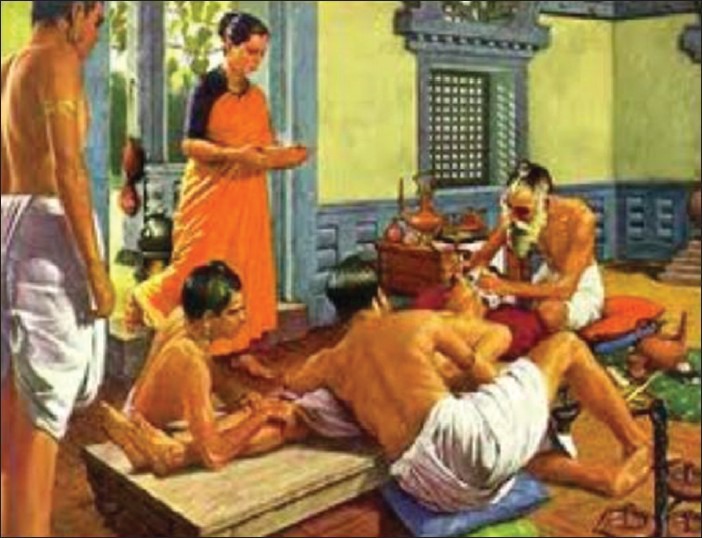
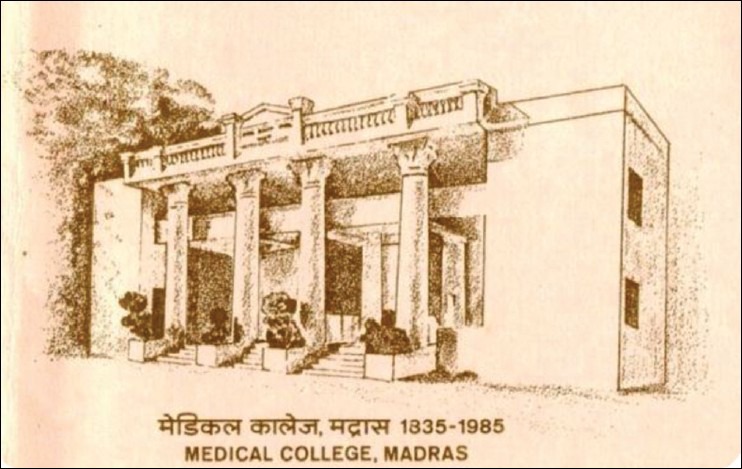
Background: THE HISTORY OF NEUROLOGY IN INDIA IS DIVIDED INTO TWO PERIODS: ancient and modern. The ancient period dates back to the mid-second millennium Before Christ (B.C.) during the creation of the Ayurvedic Indian system of Medicine, which detailed descriptions of neurological disorders called Vata Vyadhi. The early 20(th) century witnessed the birth of modern Indian medicine with the onset of formal physician training at the nation's first allopathic medical colleges located in Madras (1835), Calcutta (1835) and Mumbai (1848). Prior to India's independence from Britain in 1947, only 25 medical schools existed in the entire country. Today, there are over 355. In 1951, physicians across the field of neurology and neurosurgery united to create the Neurological Society of India (NSI). Four decades later in 1991, neurologists branched out to establish a separate organization called the Indian Academy of Neurology (IAN).
Design/methods: Information was gathered through literature review using PubMed, MD Consult, OVID, primary texts and research at various academic institutions in India.
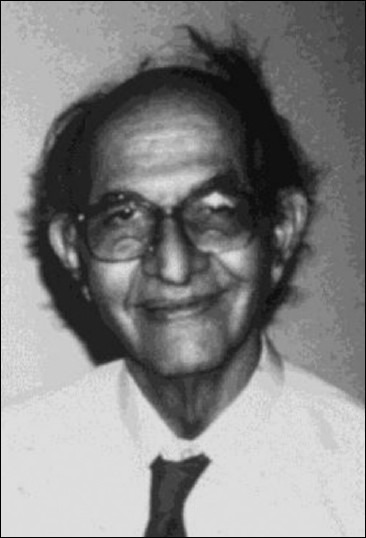
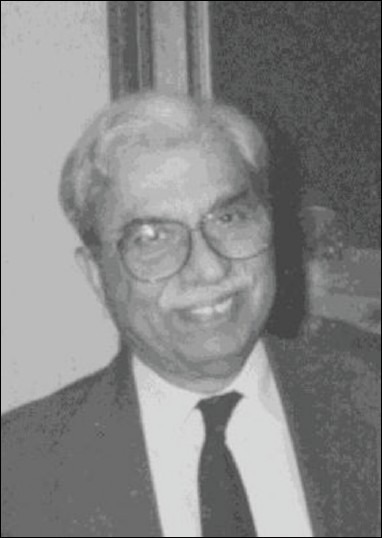
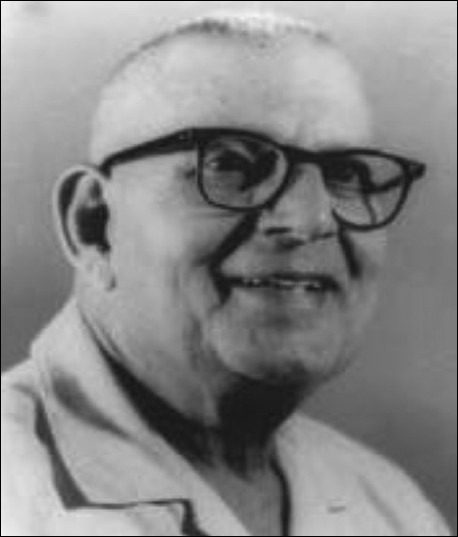
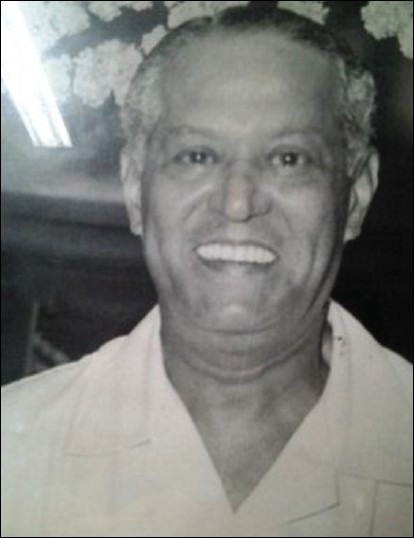
Results: Neurological disorders were first described in ancient India under Ayurveda. The transition to modern medicine occurred more recently through formal training at medical schools beginning in the 1930's. Early pioneers and founders of the NSI (1951) include Dr. Jacob Chandy, Dr. B Ramamurthi, Dr. S. T. Narasimhan and Dr. Baldev Singh. Later, Dr. J. S. Chopra, a prominent neurologist and visionary, recognized the need for primary centers of collaboration and subsequently established the IAN (1991). The future of Neurology in India is growing rapidly. Currently, there are 1100 practicing neurologists and more than 150 post-graduate trainees who join the ranks every year. As the number of neurologists rises across India, there is an increase in the amount of basic, clinical and epidemiological research being conducted across the country every day.
Conclusions: The history of neurology in India roots back to its rich culture and tradition. Over time, there has been great structural and organizational evolution and the future of neurology in India appears to be bright. However, the number of neurologists and research in neurology needs to experience a significant growth in the future to ensure the best patient care.
Keywords: Ayurveda; Epilepsy; dementia; history; stroke.
Conflict of interest statement
Figures






References
-
- Nair KR, editor. Thiruvananthapuram, India: Neurological Society of India; 1998. Evolution of Neurosciences in India : Biographical Sketches of Some Indian Neuroscientists.
-
- Khadilkar SV. Neurology: The scenario in India. J Assoc Physicians India. 2012;60:42–4. - PubMed
-
- Griffith RT. Explanatory Notes and Review. 1st ed. London: Christian Literature Society for India; 1897. The Atharva-Veda Described: With a Classified Selection of Hymns.
-
- Srivastava U. Vol. 3. New Delhi: D.P.S. Publishing House; 2011. Encyclopaedia of Indian Medicine.
LinkOut - more resources
Full Text Sources
Other Literature Sources