


Psychostimulants and cognition: a continuum of behavioral and cognitive activation
- PMID: 24344115
- PMCID: PMC3880463
- DOI: 10.1124/pr.112.007054
Psychostimulants and cognition: a continuum of behavioral and cognitive activation
Abstract
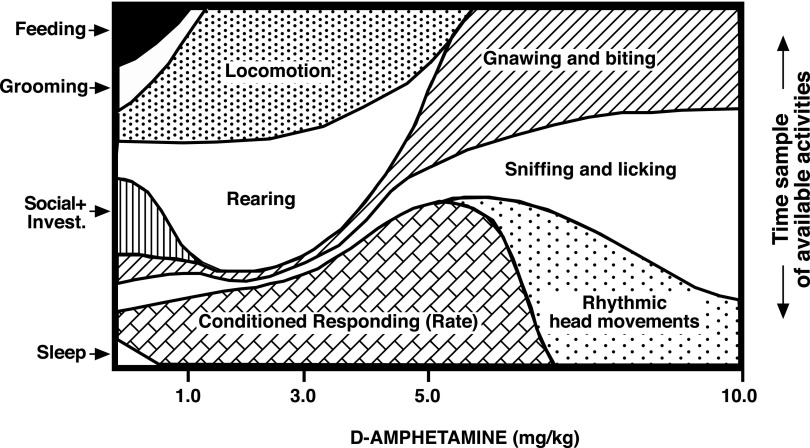
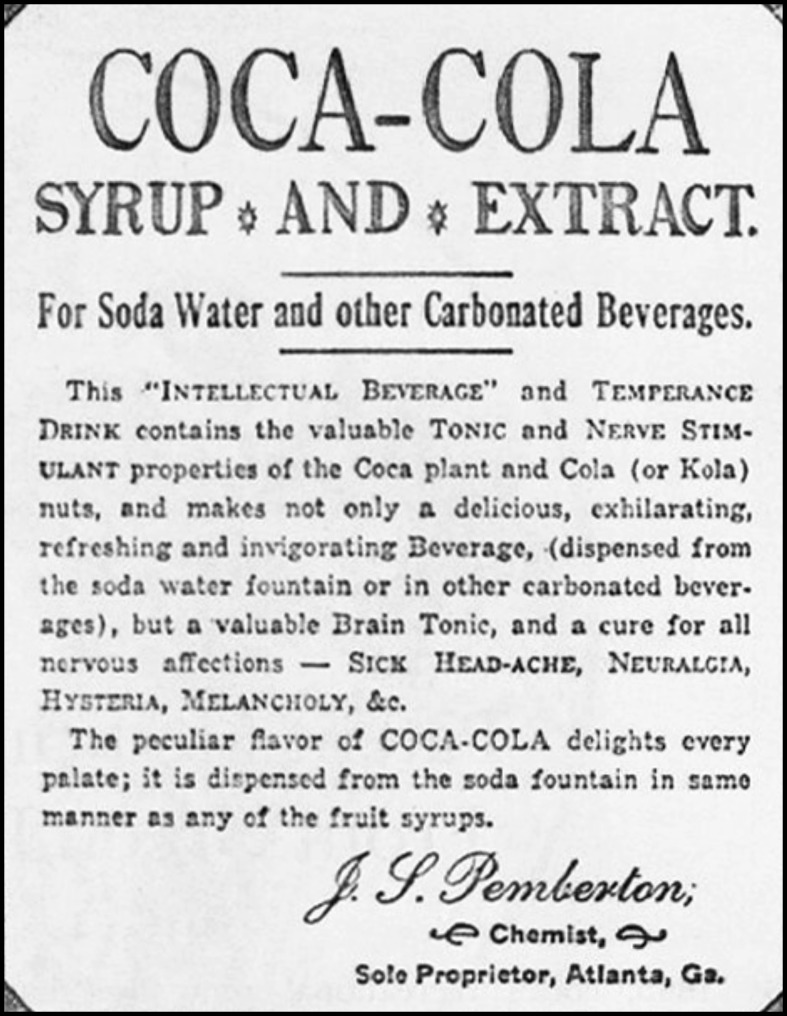
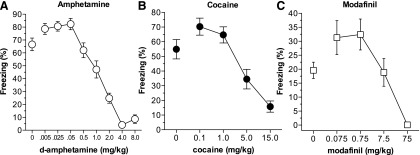
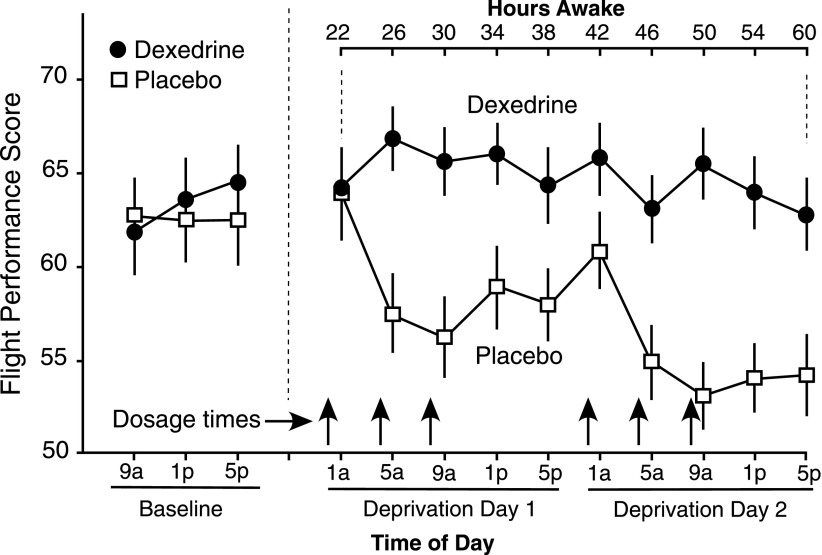
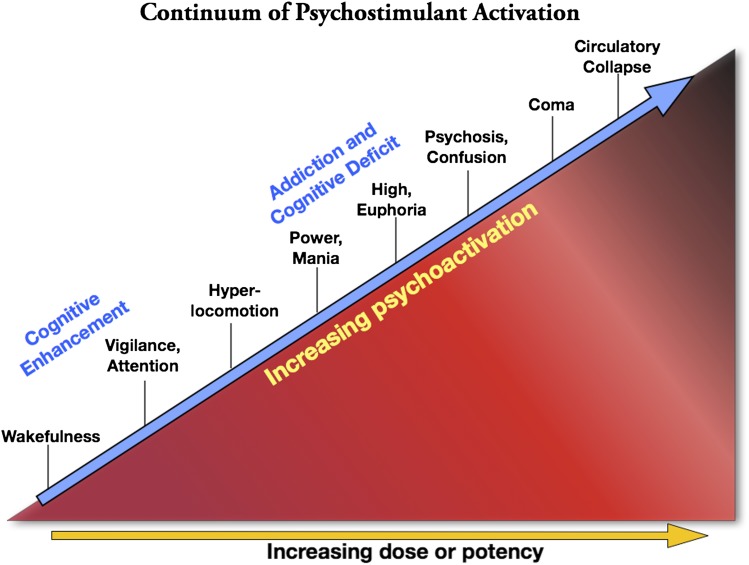
Psychostimulants such as cocaine have been used as performance enhancers throughout recorded history. Although psychostimulants are commonly prescribed to improve attention and cognition, a great deal of literature has described their ability to induce cognitive deficits, as well as addiction. How can a single drug class be known to produce both cognitive enhancement and impairment? Properties of the particular stimulant drug itself and individual differences between users have both been suggested to dictate the outcome of stimulant use. A more parsimonious alternative, which we endorse, is that dose is the critical determining factor in cognitive effects of stimulant drugs. Herein, we review several popular stimulants (cocaine, amphetamine, methylphenidate, modafinil, and caffeine), outlining their history of use, mechanism of action, and use and abuse today. One common graphic depiction of the cognitive effects of psychostimulants is an inverted U-shaped dose-effect curve. Moderate arousal is beneficial to cognition, whereas too much activation leads to cognitive impairment. In parallel to this schematic, we propose a continuum of psychostimulant activation that covers the transition from one drug effect to another as stimulant intake is increased. Low doses of stimulants effect increased arousal, attention, and cognitive enhancement; moderate doses can lead to feelings of euphoria and power, as well as addiction and cognitive impairment; and very high doses lead to psychosis and circulatory collapse. This continuum helps account for the seemingly disparate effects of stimulant drugs, with the same drug being associated with cognitive enhancement and impairment.
Figures

References
-
- Abikoff H, Hechtman L, Klein RG, Weiss G, Fleiss K, Etcovitch J, Cousins L, Greenfield B, Martin D, Pollack S. (2004) Symptomatic improvement in children with ADHD treated with long-term methylphenidate and multimodal psychosocial treatment. J Am Acad Child Adolesc Psychiatry 43:802–811 - PubMed
-
- Abourashed EA, El-Alfy AT, Khan IA, Walker L. (2003) Ephedra in perspective—a current review. Phytother Res 17:703–712 - PubMed
-
- Ahmann PA, Theye FW, Berg R, Linquist AJ, Van Erem AJ, Campbell LR. (2001) Placebo-controlled evaluation of amphetamine mixture-dextroamphetamine salts and amphetamine salts (Adderall): efficacy rate and side effects. Pediatrics 107:E10. - PubMed
-
- Al-Motarreb A, Baker K, Broadley KJ. (2002) Khat: pharmacological and medical aspects and its social use in Yemen. Phytother Res 16:403–413 - PubMed
Publication types
MeSH terms
Substances
Grants and funding
LinkOut - more resources
Full Text Sources
Other Literature Sources
