


Reversal of multidrug resistance by 5,5'-dimethoxylariciresinol-4-O-β-D-glucoside in doxorubicin-resistant human leukemia K562/DOX
- PMID: 24347768
- PMCID: PMC3847250
- DOI: 10.4103/0253-7613.121371
Reversal of multidrug resistance by 5,5'-dimethoxylariciresinol-4-O-β-D-glucoside in doxorubicin-resistant human leukemia K562/DOX
Abstract
Objective: The objective of this study was to investigate the reversal effects of 5,5'-dimethoxylariciresinol-4'-O-β-D-glucoside (DMAG) extracted from traditional Chinese medicines Mahonia on multidrug resistance (MDR) of human leukemia cells to chemotherapeutic agents.
Materials and methods: MTT(3-(4,5-Dimethylthiazol-2-yl)-2,5-diphenyltetrazolium bromide) assay was performed to determine the effect of DMAG on doxorubicin sensitivity to K562/DOX cells. Propidium iodide /Hoechst 33342 double staining assay was used to investigate the effect of DMAG on doxorubicin-induced cellular apoptosis. Intracellular accumulation of doxorubicin and rhodamine 123 assay were performed to evaluate the effect of DMAG on drugs efflux activity of P-glycoprotein.
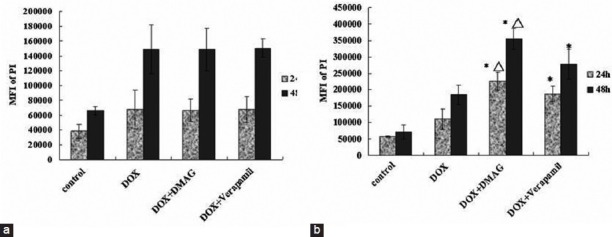
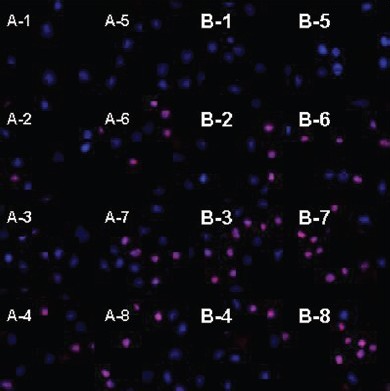
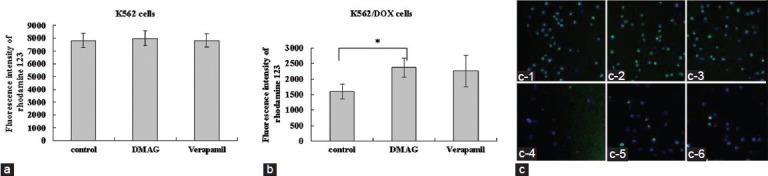
Results: DMAG significantly enhanced the doxorubicin cytotoxicity to K562/DOX cells. In the presence of 1.0 μM of DMAG, the IC50 of doxorubicin decreased from 34.93 ± 1.37 μM to 12.51 ± 1.28 μM. DMAG of 1.0 μM significantly enhanced doxorubicin-induced cell apoptosis in K562/DOX cells and the enhancement was time-dependent. A significant increase in accumulation of doxorubicin in the presence of DMAG was observed. After treatment of the K562/DOX cells for 1 h with 15.0 μM doxorubicin alone, the fluorescence intensity was 33093.12. With the addition of 1.0 μM of DMAG, the fluorescence intensity of doxorubicin was 2.3-fold higher. A significant increase of accumulation of rhodamine 123 in the presence of DMAG was also observed. With the addition of 1.0 μM of DMAG, the fluorescence intensity was increased by 49.11% compared with rhodamine 123 alone.
Conclusion: DMAG was shown to effectively enhance chemosensitivity of resistant cells, which makes it might be a suitable candidate for potential MDR-reversing agents.
Keywords: 5,5’-dimethoxylariciresinol-4’-O-β-D-glucoside; doxorubicin; leukemia; multidrug resistance.
Conflict of interest statement
Figures


References
-
- Longley DB, Johnston PG. Molecular mechanisms of drug resistance. J Pathol. 2005;205:275–92. - PubMed
-
- Tiwari AK, Sodani K, Chen ZS. Current advances in modulation of ABC transporter-mediated multidrug resistance in cancer. Int J Toxicol Pharmacol Res. 2009;1:1–6.
-
- Ambudkar SV, Dey S, Hrycyna CA, Ramachandra M, Pastan I, Gottesman MM. Biochemical, cellular, and pharmacological aspects of the multidrug transporter. Annu Rev Pharmacol Toxicol. 1999;39:361–98. - PubMed
-
- Ling V. Multidrug resistance: Molecular mechanisms and clinical relevance. Cancer Chemother Pharmacol. 1997;40(Suppl):S3–8. - PubMed
-
- Perez EA. Impact, mechanisms, and novel chemotherapy strategies for overcoming resistance to anthracyclines and taxanes in metastatic breast cancer. Breast Cancer Res Treat. 2009;114:195–201. - PubMed
Publication types
MeSH terms
Substances
LinkOut - more resources
Full Text Sources
Other Literature Sources
