


Cerebral sinus venous thrombosis
- PMID: 24347950
- PMCID: PMC3858762
- DOI: 10.4103/0976-3147.120236
Cerebral sinus venous thrombosis
Abstract
Cerebral sinus venous thrombosis (CSVT) is a rare phenomenon that can be seen with some frequency in young patients. CSVT is a multifactorial condition with gender-related specific causes, with a wide clinical presentation, the leading causes differ between developed and developing countries, converting CSVT in a condition characterized by a highly variable clinical spectra, difficult diagnosis, variable etiologies and prognosis that requires fine medical skills and a high suspicious index. Patients who presents with CSVT should underwent to CT-scan venography (CVT) and to the proper inquiry of the generating cause. This disease can affect the cerebral venous drainage and related anatomical structure. The symptoms may appear in relation to increased intracranial pressure imitating a pseudotumorcerebri. Prognosis depends on the early detection. Correcting the cause, generally the complications can be prevented. Mortality trends have diminished, and with the new technologies, surely it will continue. This work aims to review current knowledge about CSVT including its pathogenesis, etiology, clinical manifestations, diagnosis, and treatment.
Keywords: Brain; cerebral embolism and thrombosis; cerebral sinus venous thrombosis; cerebrovascular disease; neurosurgery; sinus thrombosis.
Conflict of interest statement
Figures
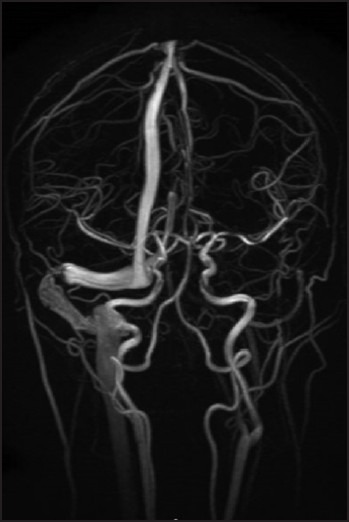
References
-
- Bousser MG, Crassard I. Cerebral venous thrombosis, pregnancy and oral contraceptives. Thromb Res. 2012;130(Suppl):S19–22. - PubMed
-
- Bousser MG, Ferro JM. Cerebral venous thrombosis: An update. Lancet Neurol. 2007;6:162–70. - PubMed
-
- Ruiz-Sandoval JL, Chiquete E, Bañuelos-Becerra LJ, Torres-Anguiano C, González-Padilla C, Arauz A, et al. Cerebral venous thrombosis in a Mexican multicenter registry of acute cerebrovascular disease: The RENAMEVASC study. J Stroke Cerebrovasc Dis. 2012;21:395–400. - PubMed
-
- Stam J. Thrombosis of the cerebral veins and sinuses. N Engl J Med. 2005;352:1791–8. - PubMed
-
- Guenther G, Arauz A. Cerebral venous thrombosis: A diagnostic and treatment update. Neurologia. 2011;26:488–98. - PubMed
Publication types
LinkOut - more resources
Full Text Sources
Other Literature Sources