Nonopioid versus opioid based general anesthesia technique for bariatric surgery: A randomized double-blind study
- PMID: 24348288
- PMCID: PMC3858687
- DOI: 10.4103/1658-354X.121045
Nonopioid versus opioid based general anesthesia technique for bariatric surgery: A randomized double-blind study
Abstract
Objective: The objective of this study was to evaluate the efficacy and safety of giving general anesthesia without the use of any opioids either systemic or intraperitoneal in bariatric surgery.
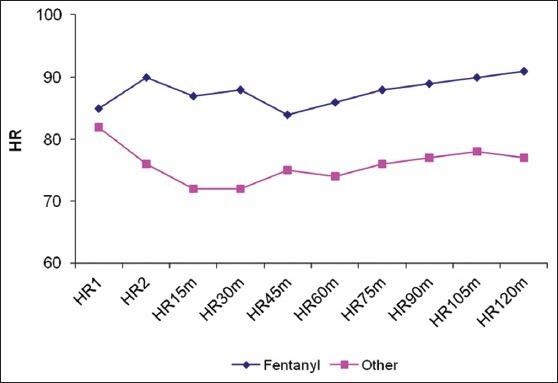
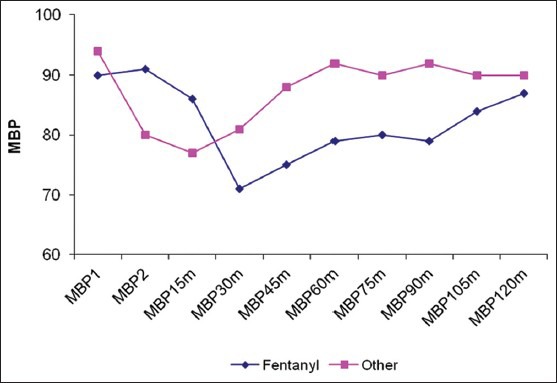
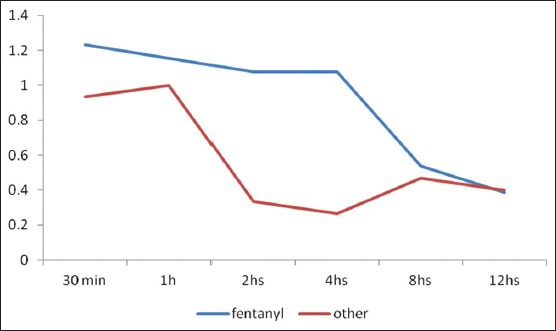
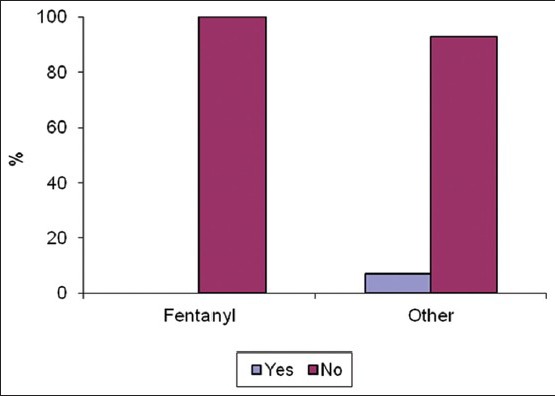
Methods: Prospective randomized controlled trial. Obese patients (body mass index >50 Kg/m(2)) undergoing laparoscopic sleeve gastrectomies were recruited and provided an informed signed consent. Patients were randomized using a computer generated randomization table to receive either opioid or non-opioid based anesthesia. The patient and the investigator scoring patient outcome after surgery were blinded to the anesthetic protocol. Primary outcomes were hemodynamics in the form of "heart rate, systolic, diastolic, and mean arterial blood pressure" on induction and ½ hourly thereafter. Pain monitoring through visual analog scale (VAS) 30 min after recovery, hourly for 2 h and every 4 h for 24 h was also recorded. Pain monitoring through VAS and post-operative nausea and vomiting 30 min after recovery were also recorded and finally patient satisfaction and acute pain nurse satisfaction.
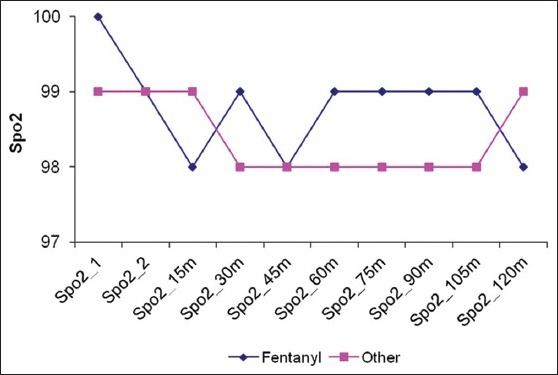
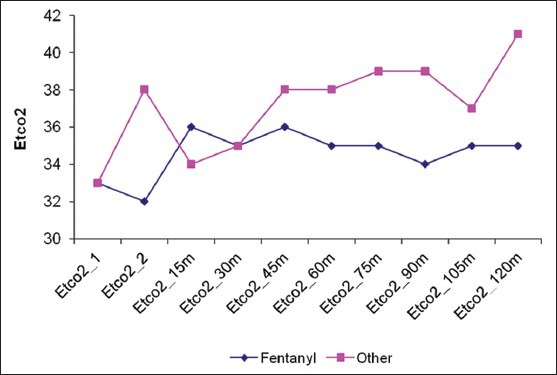
Results: There was no difference in background characteristics in both groups. There were no statistically significant differences in different outcomes as heart rate, mean blood pressure, O2 saturation in different timings between groups at any of the determined eight time points but pain score and nurse satisfaction showed a trend to better performance with non-opioid treatment.
Conclusion: Nonopioid based general anesthesia for Bariatric surgery is as effective as opioid one. There is no need to use opioids for such surgery especially that there was a trend to less pain in non-opioid anesthesia.
Keywords: Bariatric anesthesia; ketamine anesthesia; narcotic anesthesia; non-narcotic anesthesia; pediatric anesthesia.
Conflict of interest statement
Figures
References
-
- Ukleja A, Stone RL. Medical and gastroenterologic management of the post-bariatric surgery patient. J Clin Gastroenterol. 2004;38:312–21. - PubMed
-
- Nguyen NT, Lee SL, Goldman C, Fleming N, Arango A, McFall R, et al. Comparison of pulmonary function and postoperative pain after laparoscopic versus open gastric bypass: A randomized trial. J Am Coll Surg. 2001;192:469–76. - PubMed
-
- Feld JM, Hoffman WE, Stechert MM, Hoffman IW, Ananda RC. Fentanyl or dexmedetomidine combined with desflurane for bariatric surgery. J Clin Anesth. 2006;18:24–8. - PubMed
-
- Feld JM, Laurito CE, Beckerman M, Vincent J, Hoffman WE. Non-opioid analgesia improves pain relief and decreases sedation after gastric bypass surgery. Can J Anaesth. 2003;50:336–41. - PubMed
LinkOut - more resources
Full Text Sources
Other Literature Sources
Medical