


Associations of meteorology with adverse pregnancy outcomes: a systematic review of preeclampsia, preterm birth and birth weight
- PMID: 24362545
- PMCID: PMC3924438
- DOI: 10.3390/ijerph110100091
Associations of meteorology with adverse pregnancy outcomes: a systematic review of preeclampsia, preterm birth and birth weight
Abstract
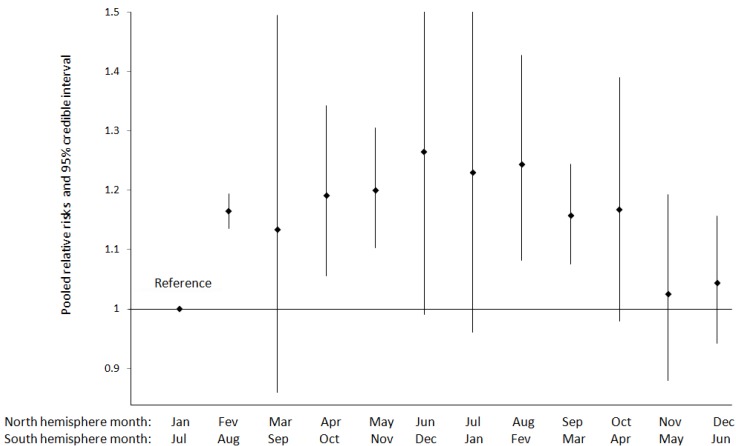
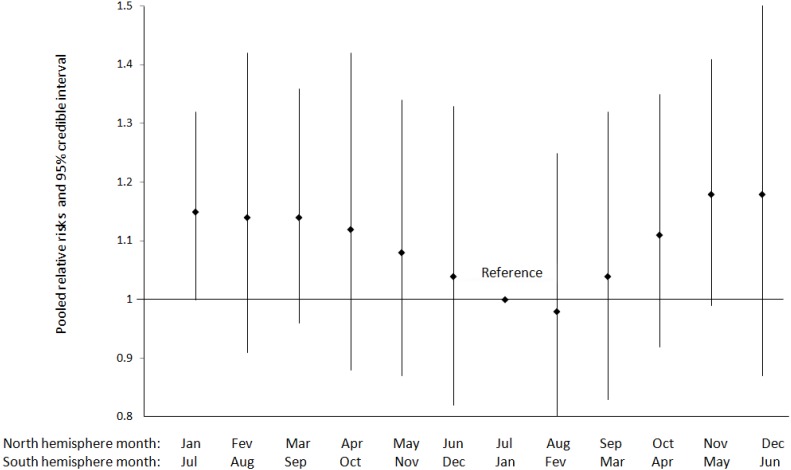
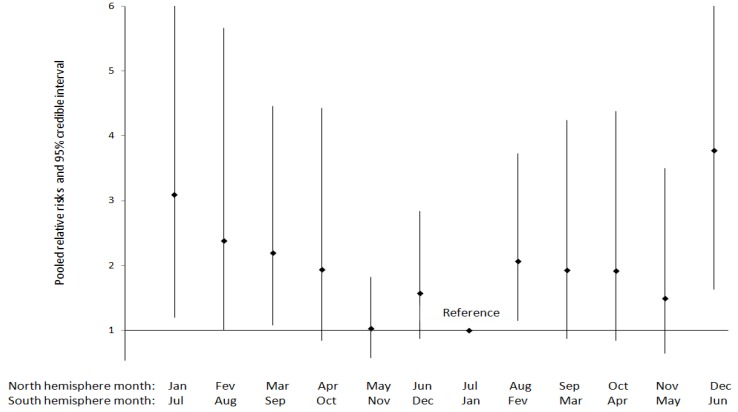
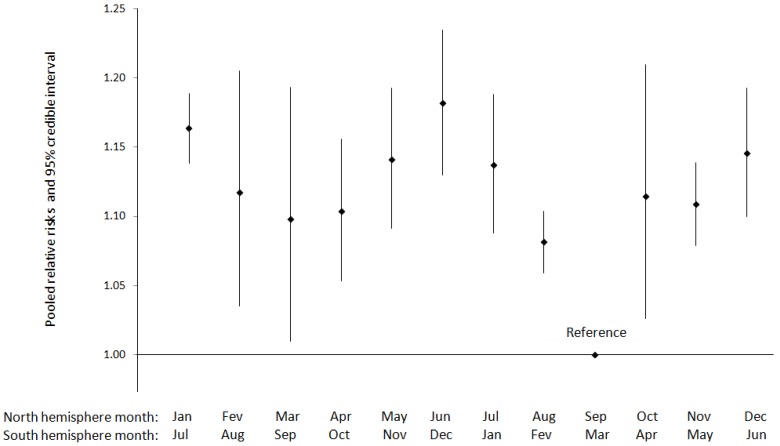
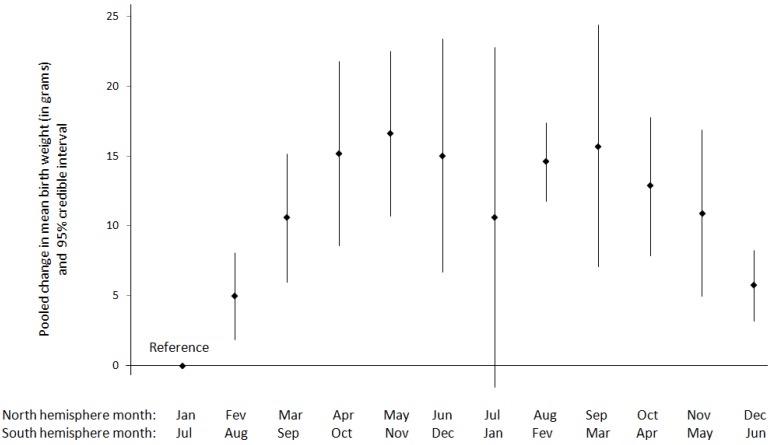
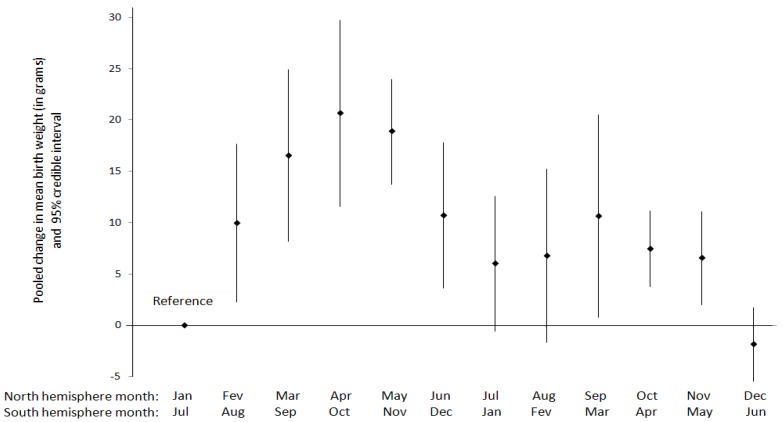
The relationships between meteorology and pregnancy outcomes are not well known. This article reviews available evidence on the relationships between seasonality or meteorology and three major pregnancy outcomes: the hypertensive disorders of pregnancy (including preeclampsia, eclampsia and gestational hypertension), gestational length and birth weight. In total 35, 28 and 27 studies were identified for each of these outcomes. The risks of preeclampsia appear higher for women with conception during the warmest months, and delivery in the coldest months of the year. Delivery in the coldest months is also associated with a higher eclampsia risk. Patterns of decreased gestational lengths have been observed for births in winter, as well as summer months. Most analytical studies also report decreases in gestational lengths associated with heat. Birth weights are lower for deliveries occurring in winter and in summer months. Only a limited number of studies have investigated the effects of barometric pressure on gestational length or the effects of temperature and sunshine exposure on birth weight, but these questions appear worth investigating further. Available results should encourage further etiological research aiming at enhancing our understanding of the relationships between meteorology and adverse pregnancy outcomes, ideally via harmonized multicentric studies.
Figures
References
-
- Kramer M.S. The epidemiology of adverse pregnancy outcomes: An overview. J. Nutr. 2003;133:1592S–1596S. - PubMed
-
- World Health Organization . WHO Recommendations for Prevention and Treatment of Pre-Eclampsia and Eclampsia. WHO; Geneva, Switzerland: 2011. - PubMed
-
- World Health Organization . In: M.o.D., PMNCH, and Save the Children, Born Too Soon: The Global Action Report on Preterm Birth. Howson C.P., Kinney M.V., Lawn J.E., editors. WHO; Geneva, Switzerland: 2012.
Publication types
MeSH terms
LinkOut - more resources
Full Text Sources
Other Literature Sources
Medical
