


Suture techniques for tendon repair; a comparative review
- PMID: 24367784
- PMCID: PMC3838333
Suture techniques for tendon repair; a comparative review
Abstract
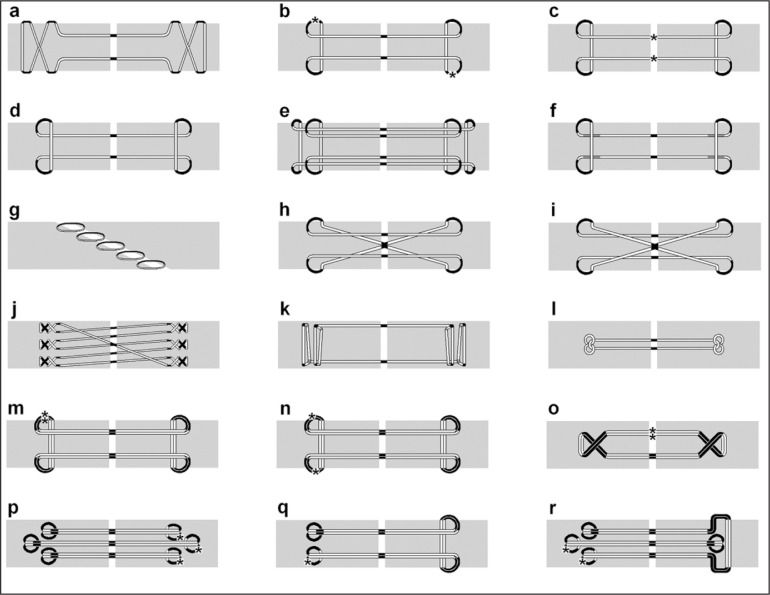
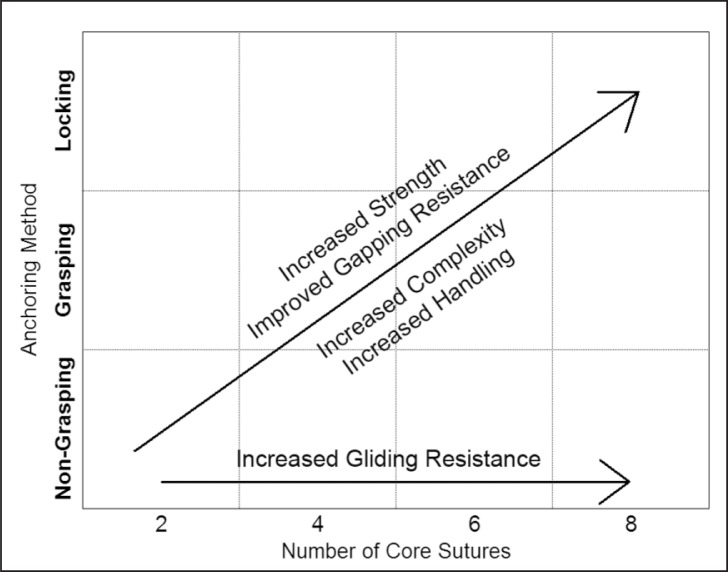
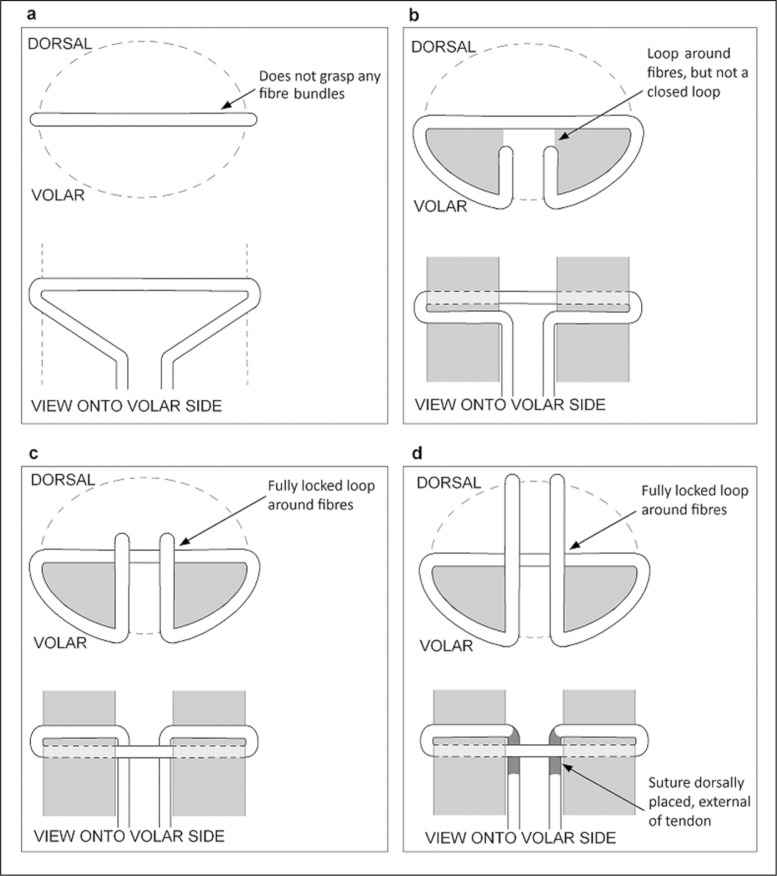
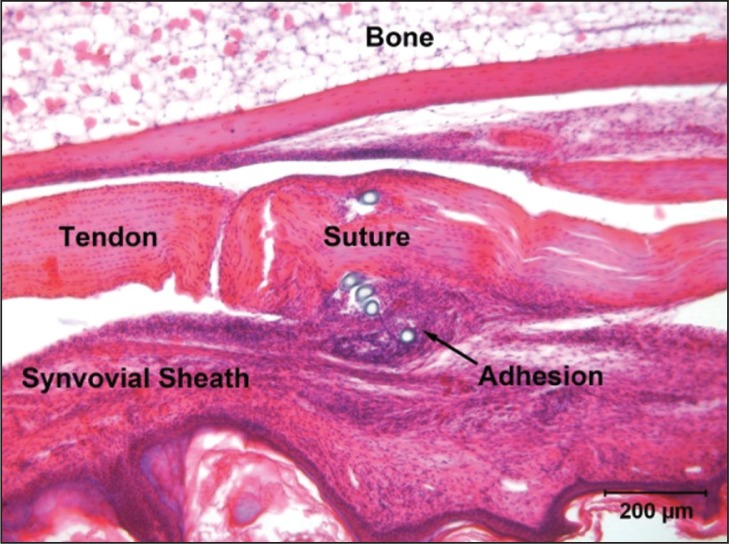
Over the past five decades we have seen numerous iterations of suture repair methods for tendon. The pursuit of the ultimate repair has led to many repair methods being described. This comprehensive compilation of the suture repair techniques will describe the factors that affect repair success, including repair strength, gapping resistance, glide and rehabilitation. Different approaches to rejoining severed tendons will be critiqued on their biomechanical ability to improve tendon repair strength, maintaining glide, reducing tendon damage, and minimising adhesion formation. It is important to highlight how the suture repairs have evolved and improved but also review how they may contribute to their own trauma. The apparent paradox between providing mechanical strength and minimising adhesions require refinements in the field to improve on functional outcomes.
Keywords: adhesion; glide; repair; strength; suture; tendon.
Figures
References
-
- Clayton RA, Court-Brown CM. The epidemiology of musculoskeletal tendinous and ligamentous injuries. Injury. 2008;39(12):1338–1344. - PubMed
-
- Su BW, Solomons M, Barrow A, Senoge ME, Gilberti M, Lubbers L, et al. Device for zone-II flexor tendon repair. A multicenter, randomized, blinded, clinical trial. J Bone Joint Surg Am. 2005;87(5):923–935. - PubMed
-
- Bunnell S. Repair of tendons in the fingers and description of two new instruments. Gynecology and Obstetrics. 1918;26:103–110.
-
- Verdan C. Primary repair of flexor tendons. J Bone Joint Surg Am. 1960;(42-A):647–657. - PubMed
-
- Kleinert H, Spokevicius S, Papas N. History of flexor tendon repair. Journal of Hand Surgery-American Volume. 1995;20A(3):S46–S52. - PubMed
Publication types
Grants and funding
LinkOut - more resources
Full Text Sources
Other Literature Sources
Miscellaneous