


Rapid single-colony whole-genome sequencing of bacterial pathogens
- PMID: 24370932
- PMCID: PMC3977605
- DOI: 10.1093/jac/dkt494
Rapid single-colony whole-genome sequencing of bacterial pathogens
Abstract
Objectives: As a result of the introduction of rapid benchtop sequencers, the time required to subculture a bacterial pathogen to extract sufficient DNA for library preparation can now exceed the time to sequence said DNA. We have eliminated this rate-limiting step by developing a protocol to generate DNA libraries for whole-genome sequencing directly from single bacterial colonies grown on primary culture plates.
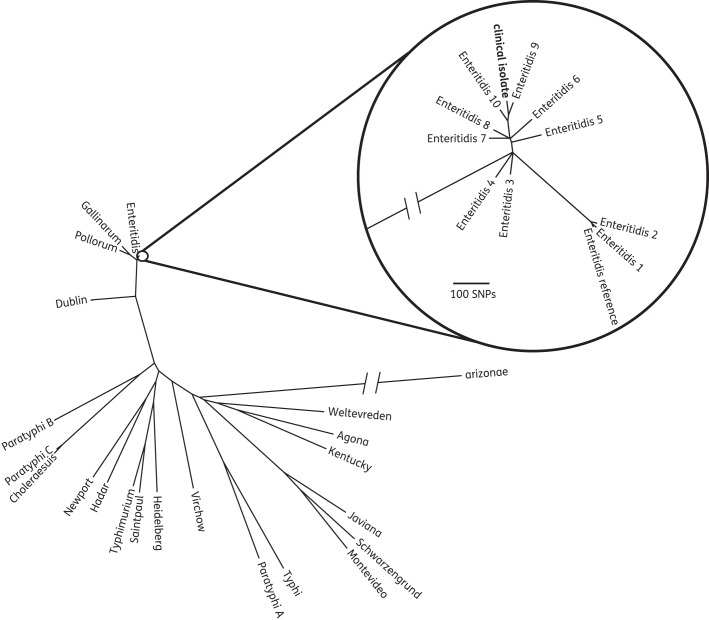
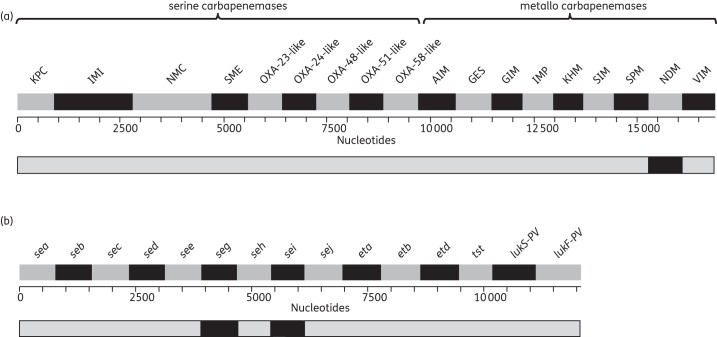
Methods: We developed our protocol using single colonies of 17 bacterial pathogens responsible for severe human infection that were grown using standard diagnostic media and incubation conditions. We then applied this method to four clinical scenarios that currently require time-consuming reference laboratory tests: full identification and genotyping of salmonellae; identification of blaNDM-1, a highly transmissible carbapenemase resistance gene, in Klebsiella pneumoniae; detection of genes encoding staphylococcal toxins associated with specific disease syndromes; and monitoring of vaccine targets to detect vaccine escape in Neisseria meningitidis.
Results: We validated our single-colony whole-genome sequencing protocol for all 40 combinations of pathogen and selective, non-selective or indicator media tested in this study. Moreover, we demonstrated the clinical value of this method compared with current reference laboratory tests.
Conclusions: This advance will facilitate the implementation of whole-genome sequencing into diagnostic and public health microbiology.
Keywords: antibiotic resistance; infectious diseases; typing.
Figures
Comment in
-
Techniques & Applications: bacterial WGS made easy.Nat Rev Microbiol. 2014 Mar;12(3):152-3. doi: 10.1038/nrmicro3209. Epub 2014 Jan 21. Nat Rev Microbiol. 2014. PMID: 24445693 No abstract available.
References
-
- Rohde H, Qin J, Cui Y, et al. Open-source genomic analysis of Shiga-toxin-producing E. coli O104:H4. N Engl J Med. 2011;365:718–24. - PubMed
Publication types
MeSH terms
Substances
Grants and funding
LinkOut - more resources
Full Text Sources
Other Literature Sources
Molecular Biology Databases
Research Materials
