Review
. 2014 Feb;14(2):69-80.
doi: 10.1038/nri3570. Epub 2013 Dec 31.

Orchestrating B cell lymphopoiesis through interplay of IL-7 receptor and pre-B cell receptor signalling

Affiliations
Review

Orchestrating B cell lymphopoiesis through interplay of IL-7 receptor and pre-B cell receptor signalling

Marcus R Clark et al. Nat Rev Immunol. 2014 Feb.

Abstract

The development of B cells is dependent on the sequential DNA rearrangement of immunoglobulin loci that encode subunits of the B cell receptor. The pathway navigates a crucial checkpoint that ensures expression of a signalling-competent immunoglobulin heavy chain before commitment to rearrangement and expression of an immunoglobulin light chain. The checkpoint segregates proliferation of pre-B cells from immunoglobulin light chain recombination and their differentiation into B cells. Recent advances have revealed the molecular circuitry that controls two rival signalling systems, namely the interleukin-7 (IL-7) receptor and the pre-B cell receptor, to ensure that proliferation and immunoglobulin recombination are mutually exclusive, thereby maintaining genomic integrity during B cell development.


Conflict of interest statement

Competing interests statement

The authors declare no competing interests.

Figures
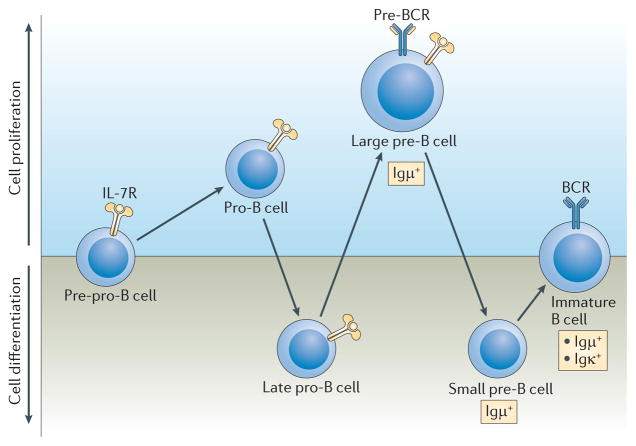
Figure 1
Figure 1. B lymphopoiesis
B lymphopoiesis is a highly ordered developmental process that involves sequential immunoglobulin gene recombination. Proliferation in committed B cell progenitors is dependent on the interleukin-7 receptor (IL-7R), which is first expressed in pre-pro-B cells and has a crucial role in both pro-B and large pre-B cell proliferation. Rearrangement of the Igμ locus begins with diversity (D)–joining (J) rearrangements in pre-pro-B cells that are not yet committed to the B cell lineage. Variable (V)–(D)J rearrangement occurs in the late pro-B cell pool, which contains cells that express lower levels of the IL-7R and are not proliferating. Successful in-frame rearrangements lead to expression of Igμ, which then assembles with the surrogate light chain and Igα and Igβ to form the pre-B cell receptor (pre-BCR) in large pre-B cells. Expression of the pre-BCR is associated with a proliferative burst followed by cell cycle exit and transition to the small pre-B cell stage, the latter facilitates Igκ gene recombination. Cells that undergo in-frame rearrangement of the Igκ gene, and express the Igκ protein, are selected into the immature B cell pool, where mechanisms of tolerance, such as receptor editing, purge the repertoire of self-reactive clones.
Figure 2
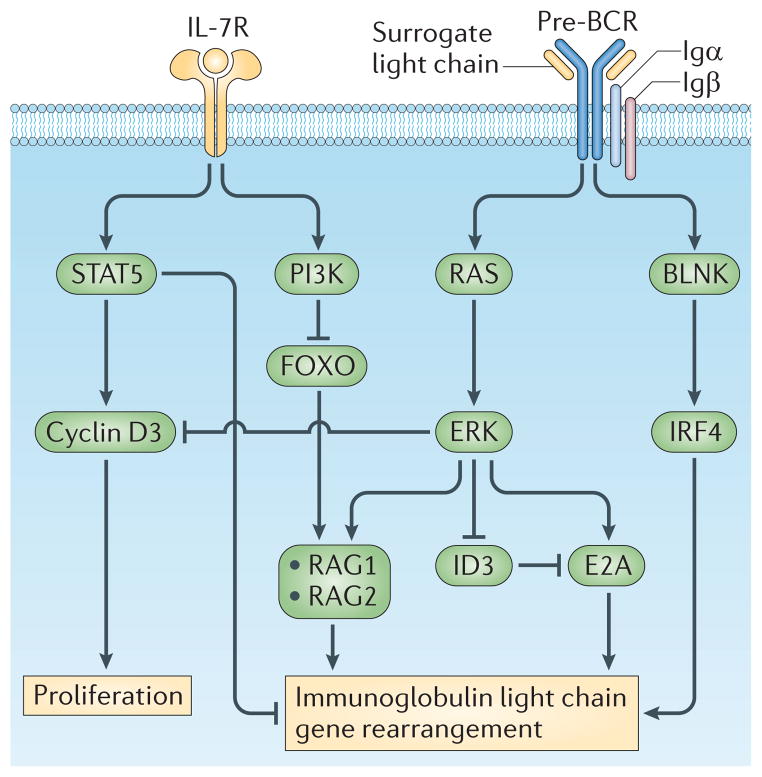
Figure 2. The IL-7R and pre-BCR coordinate proliferation with Igκ gene recombination in B lineage cells
Downstream of each receptor, distinct signalling pathways have specific functions in proliferation and recombination. Interleukin-7 receptor (IL-7R)-mediated signal transducer and activator of transcription 5 (STAT5) activation induces transcription of cyclin D3, which promotes proliferation. In addition, STAT5 directly represses Igκ gene accessibility and recombination. The IL-7R also activates phosphoinositide 3-kinase (PI3K), which represses forkhead box protein O1 (FOXO1), an obligate inducer of recombination-activating gene 1 (RAG1) and RAG2 gene transcription. By contrast, the pre-B cell receptor (pre-BCR) is coupled to the RAS–extracellular signal-regulated kinase (ERK) signalling pathway, which represses cyclin D3 and inhibitor of DNA binding 3 (ID3) while inducing E2A. This has the effect of inhibiting proliferation and increasing levels of free nuclear E2A. E2A with interferon regulatory factor 4 (IRF4), downstream of B cell linker protein (BLNK), coordinately enhance Igκ gene accessibility. Preferential coupling of the PI3K pathway to the IL-7R, and not the pre-BCR, ensures that each receptor has opposing and antagonistic functions. The IL-7R induces proliferation and represses Igκ gene recombination while the pre-BCR represses proliferation and induces recombination.
Figure 3
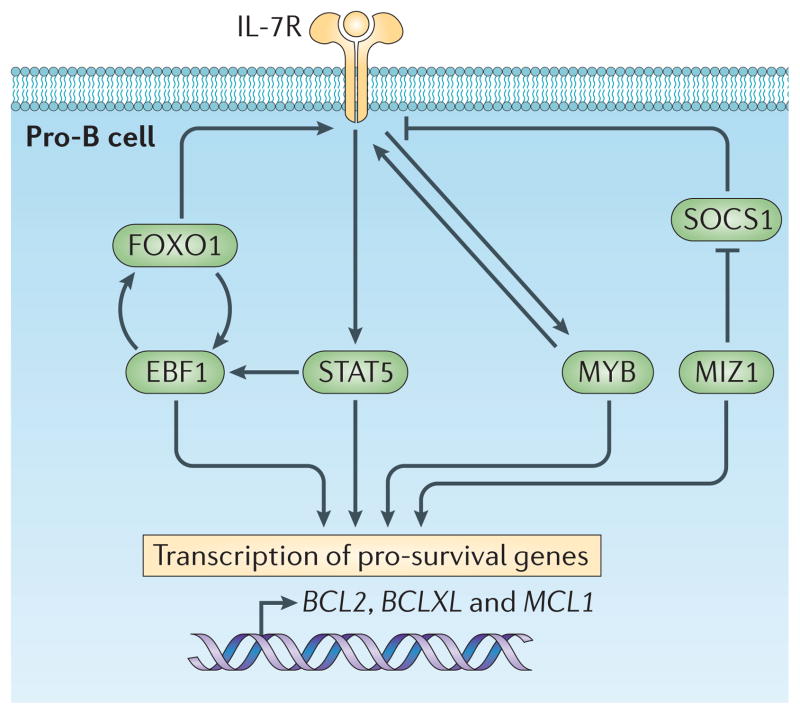
Figure 3. Self-reinforcing network regulating pro-B cell survival
Signal transducer and activator of transcription 5 (STAT5), which is induced by interleukin-7 receptor (IL-7R), and the transcription factors early B cell factor 1 (EBF1), forkhead box protein O1 (FOXO1) and MYB are components of a mutually reinforcing regulatory network that promotes the survival of pro-B cells. This regulatory network programmes the expression of the pro-survival genes B cell lymphoma 2 (BCL2), B cell lymphoma-XL (BCLXL) and myeloid cell leukaemia sequence 1 (MCL1), which are not mutually redundant. The transcription factor MYC-interacting zinc finger protein 1 (MIZ1) stabilizes the network by repressing the suppressor of cytokine signalling 1 (SOCS1) gene, which encodes an inhibitor of Janus kinase (JAK) signalling and STAT5 activation.
Figure 4
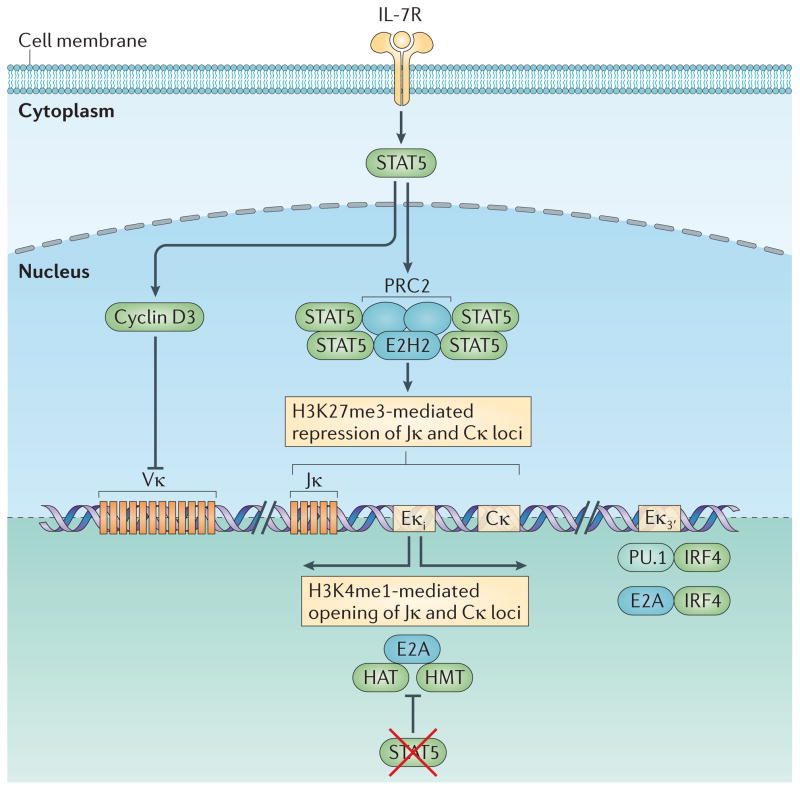
Figure 4. Regulation of Igκ locus accessibility
Stimulation of the interleukin-7 receptor (IL-7R) induces the activation of signal transducer and activator of transcription 5 (STAT5). Within the Igκ intronic enhancer (Eκi), phosphorylated STAT5 binds as a tetramer, instead of as a dimer; this enables it to recruit Polycomb repressive complex 2 (PRC2), which contains the histone methyltransferase enhancer of zeste homologue 2 (EZH2). EZH2 marks the region, containing Jκ and Cκ, with histone H3 lysine 27 trimethylation (H3K27me3), thereby conferring local epigenetic repression. STAT5 also induces the expression of cyclin D3, which potently represses Vκ accessibility. The mechanism by which it does so is unclear and neither seems to require direct chromatin binding nor involve changes in post-translational histone modifications. Induction of Igκ requires escape from IL-7R signalling, the consequent loss of activated STAT5 and the downregulation of the STAT5 target cyclin D3. However, loss of IL-7R signalling is not sufficient for opening of the Igκ locus. Pre-B cell receptor (pre-BCR)-mediated extracellular signal-regulated kinase (ERK) activation and downstream induction of free nuclear E2A is required. With the loss of phospho-STAT5 binding, E2A binds to the Eκi, where it recruits histone acetyltransferases (HATs) and histone methyltransferases (HMTs) that provide histone marks that lead to the opening of Jκ and Cκ to recombination. E2A also binds to the Eκ3′, where it cooperates with pre-BCR-induced interferon-regulatory factor 4 (IRF4) to further enhance Igκ accessibility. IRF4 also binds in a cooperative manner with the transcription factor PU.1 to a distinct composite regulatory sequence in Eκ3′ to regulate its activation.
Figure 5
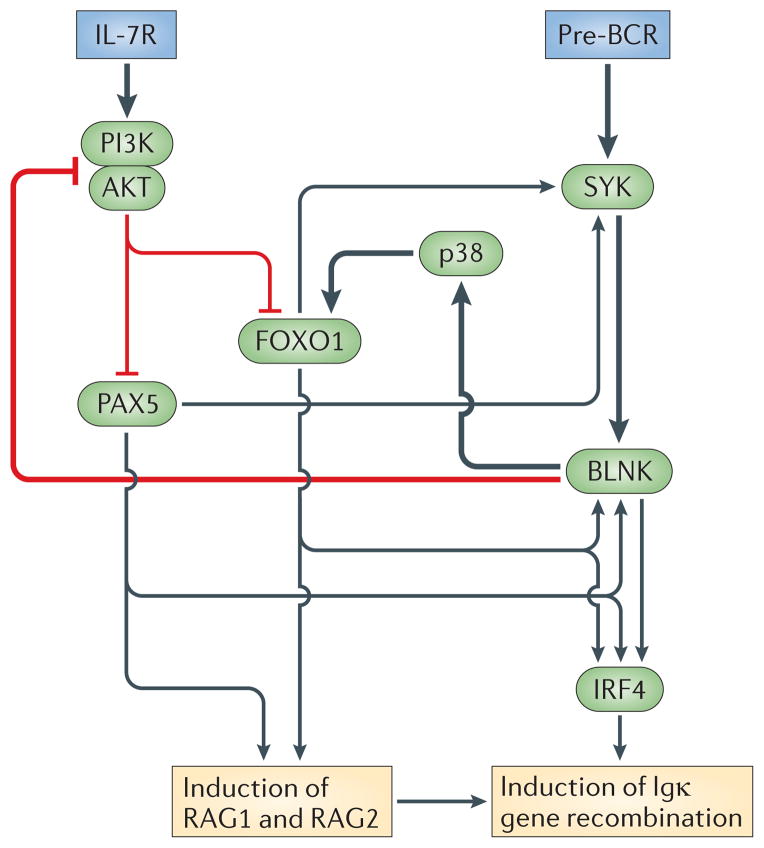
Figure 5. Regulatory network orchestrating the pre-B cell developmental checkpoint
There are a series of feedforward and feedback regulatory loops between the interleukin-7 receptor (IL-7R) and the pre-B cell receptor (pre-BCR) that ensure dominance of one receptor at a given time. Downstream of the IL-7R, activation of phosphoinositide 3-kinase (PI3K) destabilizes both forkhead box protein O1 (FOXO1) and paired box 5 (PAX5). In addition to regulating recombination-activating gene 1 (RAG1) and RAG2 expression, both transcription factors are needed for optimal expression of spleen tyrosine kinase (SYK) and B cell linker protein (BLNK), a central signalling module of the pre-BCR. FOXO1 and PAX5 are also necessary for the induction of interferon-regulatory factor 4 (IRF4) expression through SYK–BLNK signalling. Thus, in the presence of IL-7R signalling, the pre-BCR cannot fully couple to important downstream signalling targets that are necessary for the induction of Igκ gene recombination. After a pre-B cell has attenuated or escaped IL-7R signalling thereby enabling efficient coupling of the SYK–BLNK module to the pre-BCR, regulatory loops are engaged that further repress the IL-7R and reinforce the mechanisms of recombination. The SYK–BLNK module feeds back to repress PI3K and AKT activation, and BLNK induces activation of the mitogen-activated protein kinase p38, which phosphorylates and augments FOXO1 activity. Activated FOXO1 further enhances signalling through the pre-BCR, the induction of RAG1 and RAG2 expression and commitment to Igκ gene recombination. FOXO1 also feeds back to repress IL-7Rα expression. The thick black arrows represent primary pre-BCR signalling cascades, whereas the thin black arrows denote feedforward loops. The thick red arrows represent the negative regulatory pathways through which the pre-BCR inhibits IL-7R signalling.
Figure 6
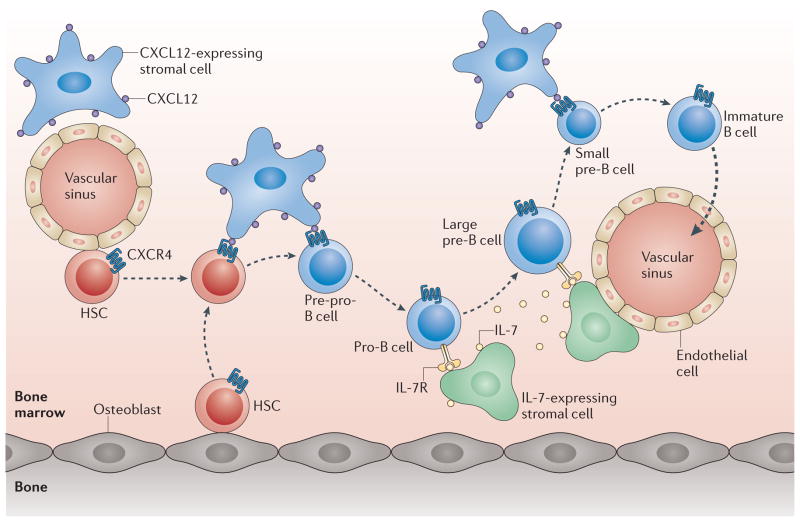
Figure 6. Movement of B cell progenitors through successive bone marrow niches
Haematopoietic progenitor cells (HSCs) are located near to osteoblasts, endothelial cells and CXC-chemokine ligand 12 (CXCL12)-expressing stromal cells. Pre-pro-B cells with rearranged diversity (D)-joining (J) segments are proposed to reside near CXCL12-expressing cells, whereas pro-B cells are positioned beside interleukin-7 (IL-7)-expressing stromal cells. After successful variable (V)–(D)J recombination, pre-B cells express the pre-B cell receptor (pre-BCR) and proliferate in IL-7-enriched bone marrow niches (these cells are large pre-B cells). Subsequently, pre-B cells upregulate CXC-chemokine receptor 4 (CXCR4) in response to interferon-regulatory factor 4 (IRF4), which is induced by pre-BCR signalling, and migrate to CXCL12-expressing niches that are likely to be distinct from those that support HSCs. This movement might further attenuate IL-7 signalling and also ensure exit from the cell cycle, thereby enabling the small pre-B cells to efficiently induce immunoglobulin light chain recombination. Following successful immunoglobulin light chain recombination, immature B cells expressing IgM downregulate CXCR4 and exit the bone marrow.

References

    1. Schlissel MS. Regulating antigen-receptor gene assembly. Nature Rev Immunol. 2003;3:890–899. - PubMed
    1. Clark MR, Cooper AB, Wang L, Aifantis I. The pre-B cell receptor in B cell development: recent advances, persistent questions and conserved mechanisms. Curr Top Microbiol Immunol. 2005;290:87–104. - PubMed
    1. Herzog S, Reth M, Jumaa H. Regulation of B-cell proliferation and differentiation by pre-B-cell receptor signaling. Nature Rev Immunol. 2009;9:195–205. - PubMed
    1. Zhang L, Reynolds TL, Shan S, Desiderio S. Coupling of V(D)J recombination to cell cycle suppresses genomic instability and lymphoid tumorigenesis. Immunity. 2011;34:163–174. - PMC - PubMed
    1. Corfe SA, Paige CJ. The many roles of IL-7 in B cell development; Mediator of survival, proliferation and differentiation. Semin Immunol. 2012;24:198–208. - PubMed

MeSH terms

LinkOut - more resources