. 2014 Jan;10(1):e1003996.
doi: 10.1371/journal.pgen.1003996. Epub 2014 Jan 2.

NCYM, a Cis-antisense gene of MYCN, encodes a de novo evolved protein that inhibits GSK3β resulting in the stabilization of MYCN in human neuroblastomas

Affiliations

NCYM, a Cis-antisense gene of MYCN, encodes a de novo evolved protein that inhibits GSK3β resulting in the stabilization of MYCN in human neuroblastomas

Yusuke Suenaga et al. PLoS Genet. 2014 Jan.

Abstract

The rearrangement of pre-existing genes has long been thought of as the major mode of new gene generation. Recently, de novo gene birth from non-genic DNA was found to be an alternative mechanism to generate novel protein-coding genes. However, its functional role in human disease remains largely unknown. Here we show that NCYM, a cis-antisense gene of the MYCN oncogene, initially thought to be a large non-coding RNA, encodes a de novo evolved protein regulating the pathogenesis of human cancers, particularly neuroblastoma. The NCYM gene is evolutionally conserved only in the taxonomic group containing humans and chimpanzees. In primary human neuroblastomas, NCYM is 100% co-amplified and co-expressed with MYCN, and NCYM mRNA expression is associated with poor clinical outcome. MYCN directly transactivates both NCYM and MYCN mRNA, whereas NCYM stabilizes MYCN protein by inhibiting the activity of GSK3β, a kinase that promotes MYCN degradation. In contrast to MYCN transgenic mice, neuroblastomas in MYCN/NCYM double transgenic mice were frequently accompanied by distant metastases, behavior reminiscent of human neuroblastomas with MYCN amplification. The NCYM protein also interacts with GSK3β, thereby stabilizing the MYCN protein in the tumors of the MYCN/NCYM double transgenic mice. Thus, these results suggest that GSK3β inhibition by NCYM stabilizes the MYCN protein both in vitro and in vivo. Furthermore, the survival of MYCN transgenic mice bearing neuroblastoma was improved by treatment with NVP-BEZ235, a dual PI3K/mTOR inhibitor shown to destabilize MYCN via GSK3β activation. In contrast, tumors caused in MYCN/NCYM double transgenic mice showed chemo-resistance to the drug. Collectively, our results show that NCYM is the first de novo evolved protein known to act as an oncopromoting factor in human cancer, and suggest that de novo evolved proteins may functionally characterize human disease.


Conflict of interest statement

The authors have declared that no competing interests exist.

Figures
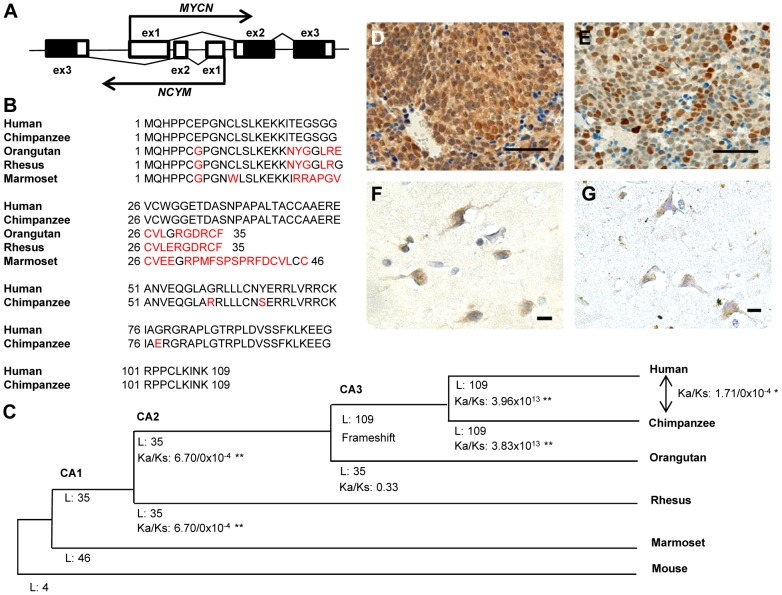
Figure 1
Figure 1. NCYM encodes a de novo evolved protein in humans.
(A) Gene structure of the human MYCN/NCYM locus. (B) Alignment of the possible amino acid sequences of NCYM in the human and primate genomes, where the ORF of the primate genes begins at the same position as the human start codon. Red text indicates amino acid differences compared with human NCYM. (C) Change in protein features along the lineage shown. CA indicates common ancestor. L indicates the sequence length of amino acids before the first terminal codon. Asterisk indicates statistical significance (**P<0.001, *P<0.05). K a and K s indicate the rate of non-synonymous changes and synonymous changes, respectively. (D–G) The protein expression of NCYM and MYCN in human primary neuroblastomas (D, E) and normal human cerebrum (F, G). Scale bars, 100 µm (D, E) and 50 µm (F, G). Sections of neuroblastomas with MYCN amplification and those of normal human cerebrum were stained with anti-NCYM (D, F) or anti-MYCN (E, G) antibodies.
Figure 2
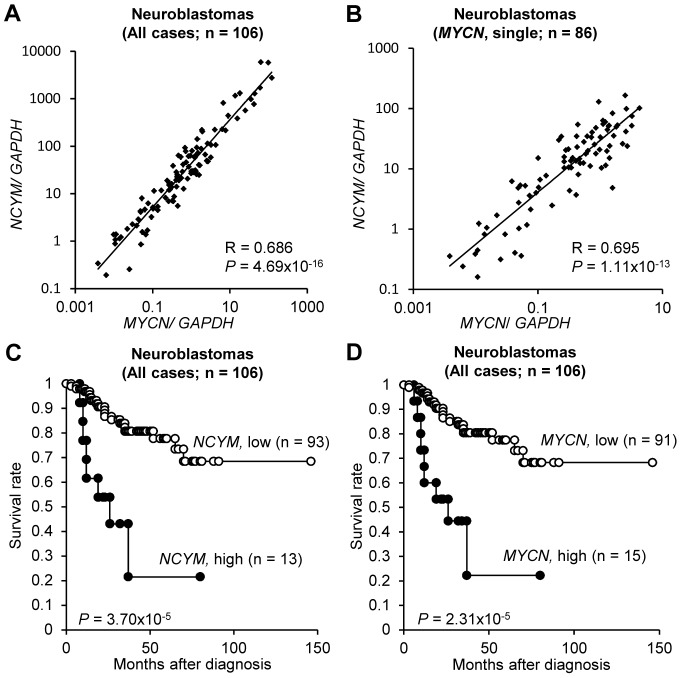
Figure 2. NCYM expression is associated with poor prognosis in human neuroblastoma.
(A) NCYM mRNA expression correlates with that of MYCN in human primary neuroblastomas (n = 106, Rs. = 0.686, P = 4.69×10⁻¹⁶). (B) NCYM mRNA expression correlates with that of MYCN in human primary neuroblastomas with MYCN single copy (n = 86, Rs. = 0.695, P = 1.11×10⁻¹³). The mRNA expression of NCYM and MYCN was detected by qRT-PCR and normalized using GAPDH. (C) Kaplan–Meier survival curves (n = 106, P = 3.70×10⁻⁵, log-rank test). The expression levels of NCYM were designated high (n = 13, closed circle) or low (n = 93, open circle) based on the respective average expression. (D) Kaplan–Meier survival curves. The expression levels of MYCN were designated high (n = 15, closed circle) or low (n = 91, open circle) based on the respective average expression. High MYCN mRNA expression was significantly correlated with poor prognosis (n = 106, P = 2.31×10⁻⁵, log-rank test).
Figure 3
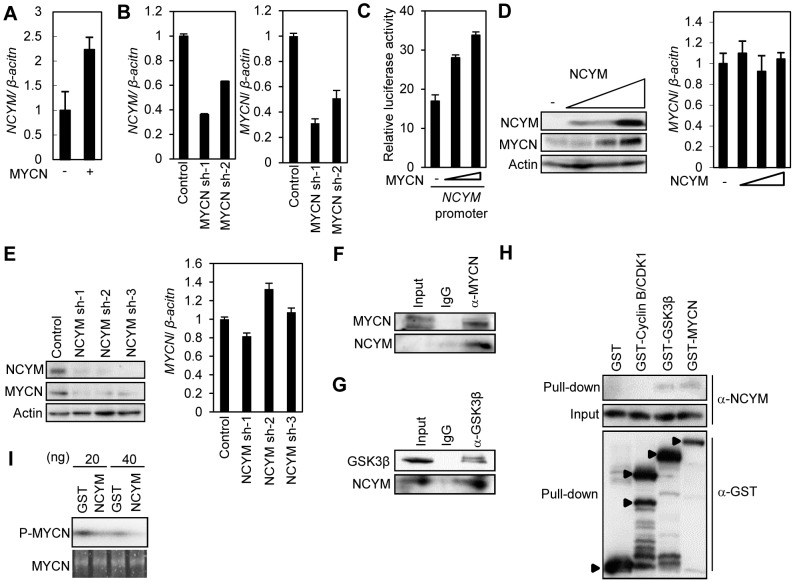
Figure 3. Functional interaction between NCYM and MYCN.
(A) Relative mRNA levels of NCYM in SK-N-AS MYCN single copy human neuroblastoma cells transfected with MYCN expression vector. mRNA levels were measured by qRT-PCR with β-actin as an internal control. (B) Relative mRNA levels of NCYM (left panel) or MYCN (right panel) upon depletion of MYCN in CHP134 human MYCN-amplified neuroblastoma cells. (C) MYCN enhances NCYM promoter activity. Human neuroblastoma SK-N-AS cells were transfected with increasing amounts of MYCN expression plasmid (0, 200, 300 ng) and their luciferase activity was measured. (D) Western blots showing NCYM overexpression induces MYCN protein in Neuro 2a mouse neuroblastoma cells (left panel). MYCN mRNA expression in mouse neuroblastoma Neuro 2a cells transfected with increasing amounts of NCYM expression vector measured by qRT-PCR (right panel). (E) Western blots showing NCYM knockdown decreases MYCN protein in CHP134 cells (left panel). MYCN mRNA expression in NCYM knockdown CHP134 cells as measured by qRT-PCR (right panel). (F, G) Co-immunoprecipitation of endogenous NCYM with endogenous MYCN and GSK3β. (H) GST-pulldown assay. Purified NCYM proteins were pulled down with GST-fused GSK3β and MYCN. (I) In vitro kinase assay. Radiolabeled ATP was used for the second reaction with GSK3β together with the indicated amount of NCYM or GST. The amount of phosphorylated MYCN was quantified using standard autoradiography. The total amount of the MYCN was quantified by using an Oriole Fluorescent Gel stain.
Figure 4
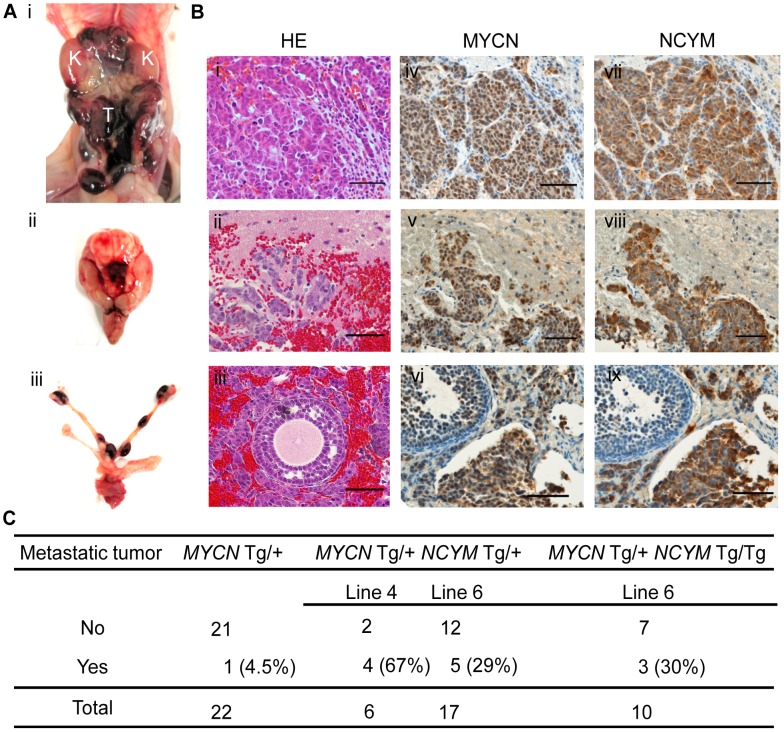
Figure 4. NCYM promotes metastasis in mouse transgenic models of neuroblastoma.
(A) Neuroblastomas arise as multifocal primary lesions in a MYCN/NCYM double transgenic mouse (line 6). (i) Abdominal primary tumors and metastatic tumors in the intracranium (ii) and ovary (iii) occurred within the same mouse (M1). (B) H&E staining (i, ii, iii) and immunohistochemistry for MYCN (iv, v, vi) and NCYM (vii, viii, ix) expression in abdominal tumors (i, iv, vii) and metastatic tumors in the intracranium (ii, v, viii) and ovary (iii, vi, ix), in the MYCN/NCYM transgenic mouse (M1). Scale bars, 50 µm. (C) The rates of metastatic tumor development in MYCN and MYCN/NCYM transgenic mice. Line 6; P = 0.036, Mann–Whitney U test. Line 4; P<0.01, Fisher's exact probability test.
Figure 5
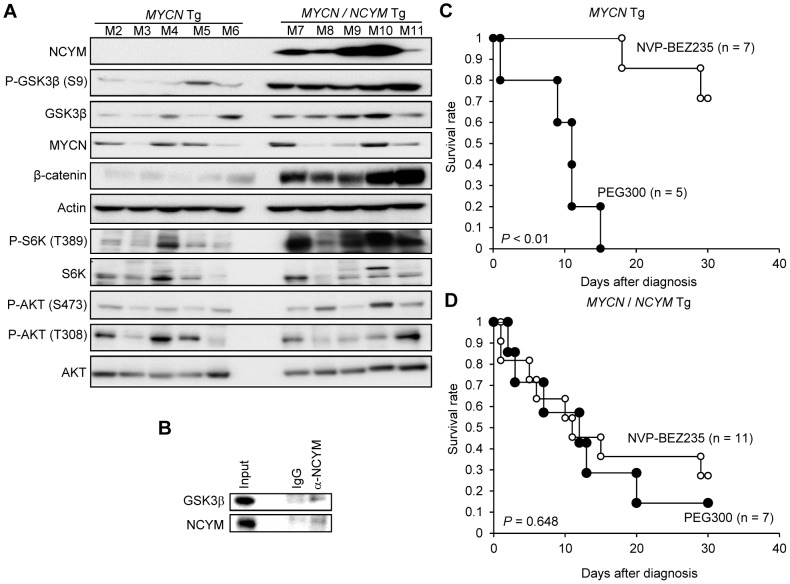
Figure 5. MYCN/NCYM tumors show drug resistance to a PI3K/mTOR-dual inhibitor.
(A) Western blots of MYCN (M2–M6) and MYCN/NCYM (M7–M11) mouse tumors for NCYM, phospho-GSK3β (S9), GSK3β, β-catenin, and MYCN, phospho-S6K (T389), S6K, phospho-AKT (S473), phospho-AKT (T308), and AKT. Actin was used as loading control. (B) NCYM binds to GSK3β in vivo. Tumors developed in MYCN/NCYM transgenic mice (M12) were immunoprecipitated with control IgG or NCYM antibodies. GSK3β was co-immunoprecipitated with a NCYM antibody. (C, D) Kaplan–Meier survival analysis of MYCN mice (panel C, P<0.01, log-rank test) or MYCN/NCYM mice (panel D, P = 0.648, log-rank test). Treatment with NVP-BEZ235 (35 mg/kg; open circles) or vehicle (PEG300; closed circles). NVP-BEZ235, MYCN transgenic mice n = 7, MYCN/NCYM transgenic mice n = 11; PEG300, MYCN transgenic mice n = 5, MYCN/NCYM transgenic mice n = 7.

References

    1. Jacob F (1977) Evolution and tinkering. Science 196: 1161–1166. - PubMed
    1. Ohno S (1970) Evolution by gene duplication. New York, NY, Springer-Verlag.
    1. Tautz D, Domazet-Loso T (2011) The evolutionary origin of orphan genes. Nat Rev Genet 12: 692–702. - PubMed
    1. Kaessmann H (2010) Origins, evolution, and phenotypic impact of new genes. Genome Res 20: 1313–1326. - PMC - PubMed
    1. Khalturin K, Hemmrich G, Fraune S, Augustin R, Bosch TC (2009) More than just orphans: are taxonomically-restricted genes important in evolution? Trends Genet 25: 404–413. - PubMed

Publication types

MeSH terms