


Caloric vestibular stimulation in aphasic syndrome
- PMID: 24391559
- PMCID: PMC3870329
- DOI: 10.3389/fnint.2013.00099
Caloric vestibular stimulation in aphasic syndrome
Abstract
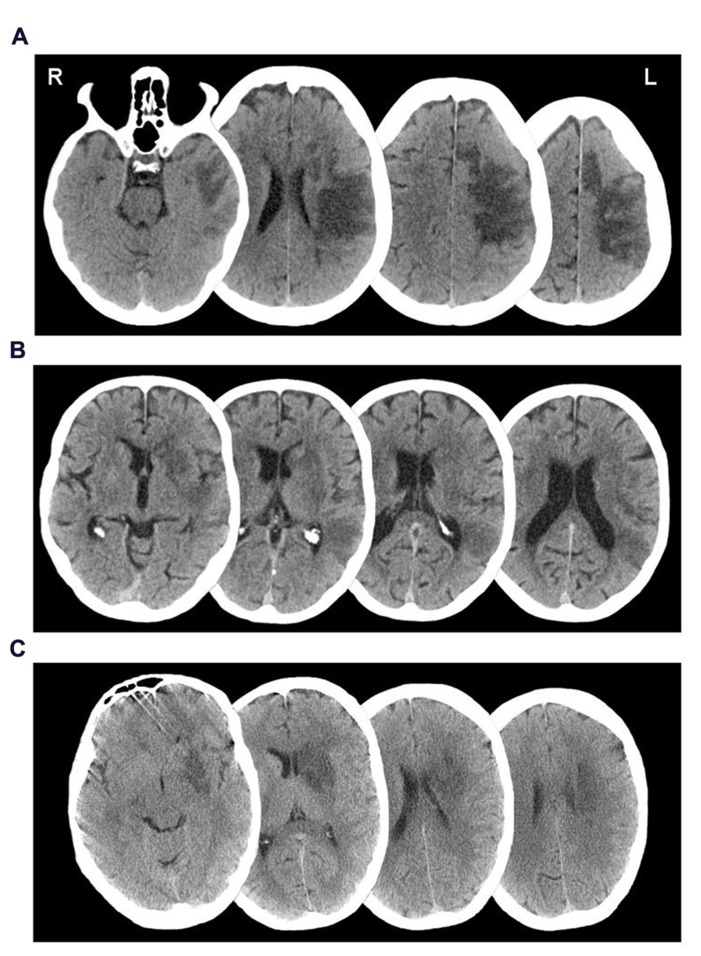
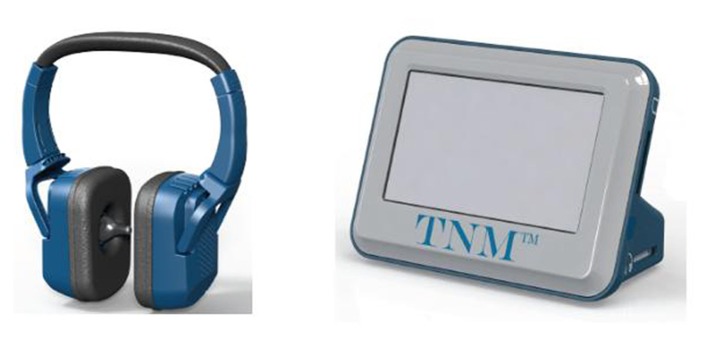
Caloric vestibular stimulation (CVS) is commonly used to diagnose brainstem disorder but its therapeutic application is much less established. Based on the finding that CVS increases blood flow to brain structures associated with language and communication, we assessed whether the procedure has potential to relieve symptoms of post-stroke aphasia. Three participants, each presenting with chronic, unilateral lesions to the left hemisphere, were administered daily CVS for four consecutive weeks. Relative to their pre-treatment baseline scores, two of the three participants showed significant improvement on both picture and responsive naming at immediate and 1-week follow-up. One of these participants also showed improved sentence repetition, and another showed improved auditory word discrimination. No adverse reactions were reported. These data provide the first, albeit tentative, evidence that CVS may relieve expressive and receptive symptoms of aphasia. A larger, sham-controlled study is now needed to further assess efficacy.
Keywords: communication; language; neuro-stimulation; rehabilitation; stroke.
Figures
References
-
- Barwood C. H., Murdoch B. E., Whelan B. M., Lloyd D., Riek S., O’Sullivan J. D., et al. (2012). Improved receptive and expressive language abilities in non-fluent aphasic stroke patients after application of rTMS: an open protocol study. Brain Stimul. 5 274–28610.1016/j.brs.2011.03.005 - DOI - PubMed
-
- Bohannon P., Smith M. (1987). Interrater reliability of a modified Ashworth scale of muscle spasticity. Phys. Ther. 67 206 - PubMed
LinkOut - more resources
Full Text Sources
Other Literature Sources
