


Genome-wide methylation and gene expression changes in newborn rats following maternal protein restriction and reversal by folic acid
- PMID: 24391732
- PMCID: PMC3877003
- DOI: 10.1371/journal.pone.0082989
Genome-wide methylation and gene expression changes in newborn rats following maternal protein restriction and reversal by folic acid
Abstract
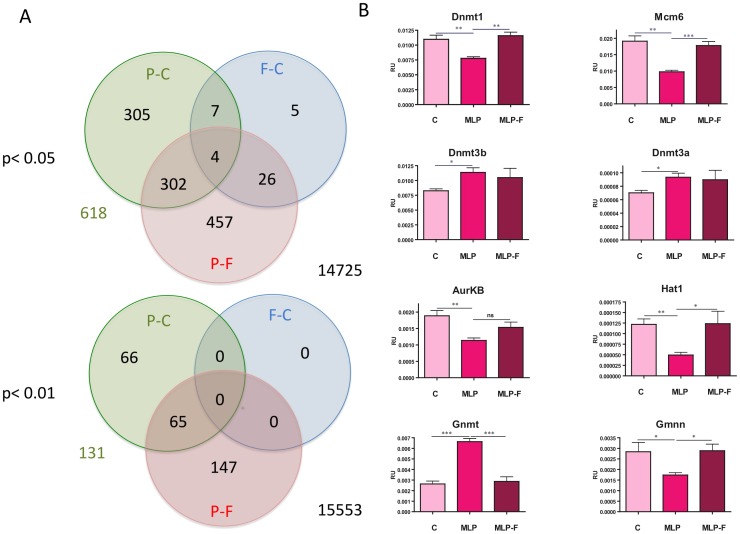
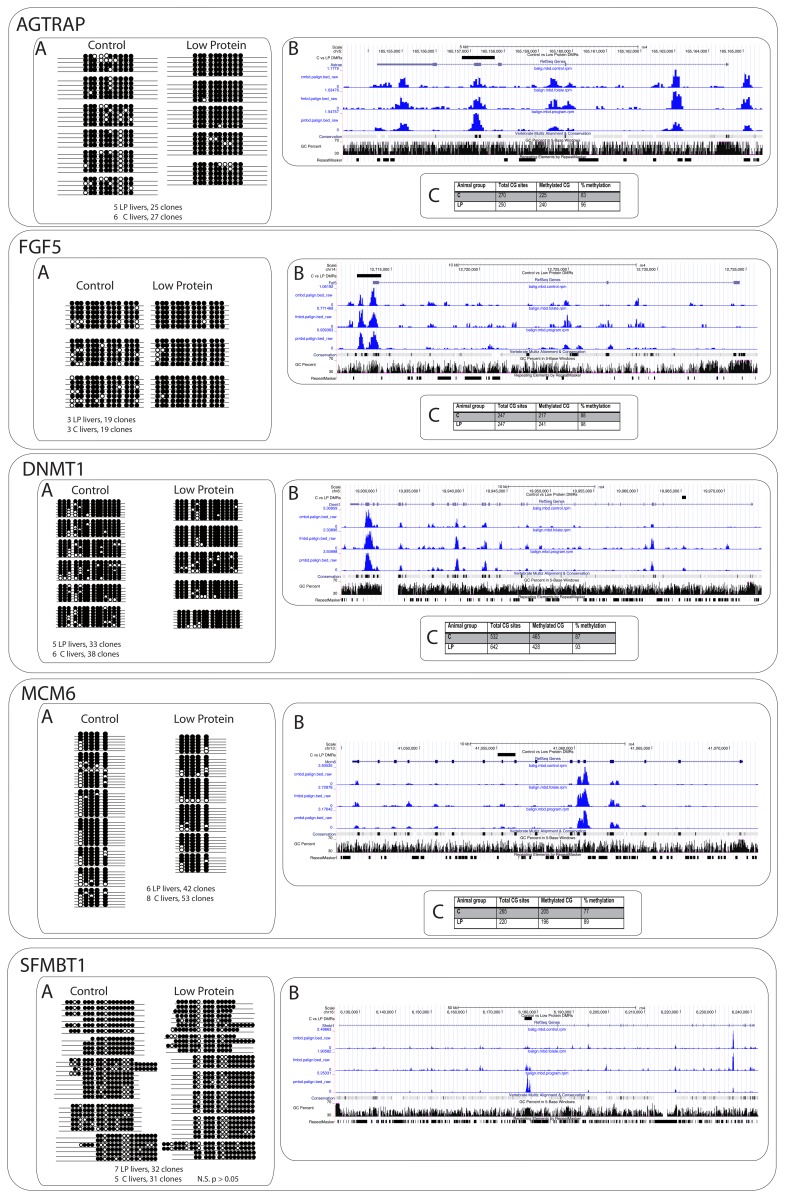
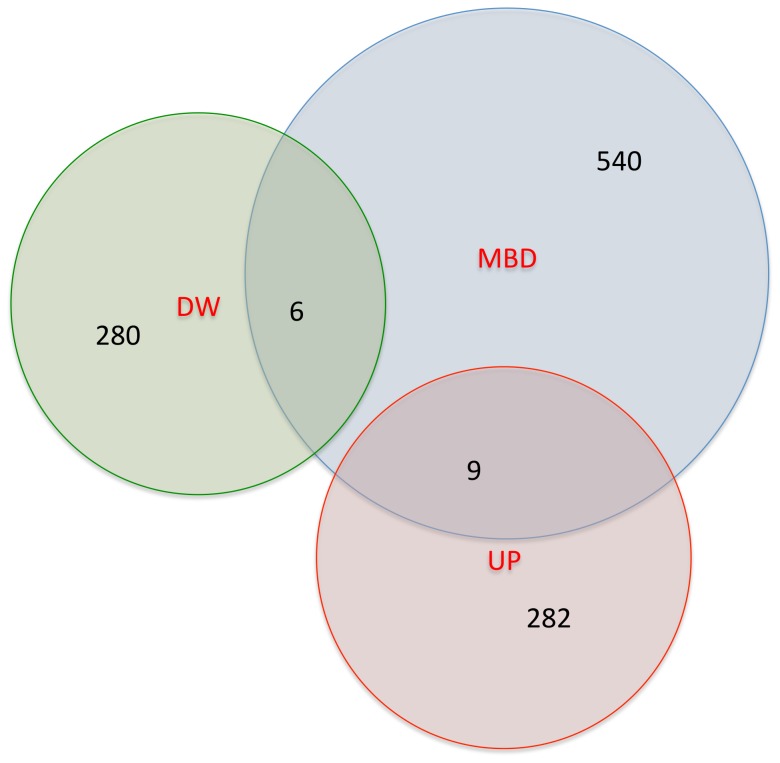
A large body of evidence from human and animal studies demonstrates that the maternal diet during pregnancy can programme physiological and metabolic functions in the developing fetus, effectively determining susceptibility to later disease. The mechanistic basis of such programming is unclear but may involve resetting of epigenetic marks and fetal gene expression. The aim of this study was to evaluate genome-wide DNA methylation and gene expression in the livers of newborn rats exposed to maternal protein restriction. On day one postnatally, there were 618 differentially expressed genes and 1183 differentially methylated regions (FDR 5%). The functional analysis of differentially expressed genes indicated a significant effect on DNA repair/cycle/maintenance functions and of lipid, amino acid metabolism and circadian functions. Enrichment for known biological functions was found to be associated with differentially methylated regions. Moreover, these epigenetically altered regions overlapped genetic loci associated with metabolic and cardiovascular diseases. Both expression changes and DNA methylation changes were largely reversed by supplementing the protein restricted diet with folic acid. Although the epigenetic and gene expression signatures appeared to underpin largely different biological processes, the gene expression profile of DNA methyl transferases was altered, providing a potential link between the two molecular signatures. The data showed that maternal protein restriction is associated with widespread differential gene expression and DNA methylation across the genome, and that folic acid is able to reset both molecular signatures.
Conflict of interest statement
Figures
References
-
- Foundation BH (2010) Coronary Heart Disease Statistics 2010: British Heart Foundation.
-
- Eriksson JG (2007) Gene polymorphisms, size at birth, and the development of hypertension and type 2 diabetes. J Nutr 137: 1063–1065. - PubMed
-
- Blue GM, Kirk EP, Sholler GF, Harvey RP, Winlaw DS (2012) Congenital heart disease: current knowledge about causes and inheritance. Med J Aust 197: 155–159. - PubMed
-
- Gluckman PD, Hanson MA (2004) Developmental origins of disease paradigm: A mechanistic and evolutionary perspective. Pediatric Research 56: 311–317. - PubMed
-
- Barker DJP (2006) Birth weight and hypertension. Hypertension 48: 357–358. - PubMed
Publication types
MeSH terms
Substances
Grants and funding
LinkOut - more resources
Full Text Sources
Other Literature Sources
Medical
Molecular Biology Databases
