


Effect of Ankle-foot Orthosis on Gait Velocity and Cadence of Stroke Patients: A Systematic Review
- PMID: 24396220
- PMCID: PMC3881487
- DOI: 10.1589/jpts.25.1503
Effect of Ankle-foot Orthosis on Gait Velocity and Cadence of Stroke Patients: A Systematic Review
Abstract
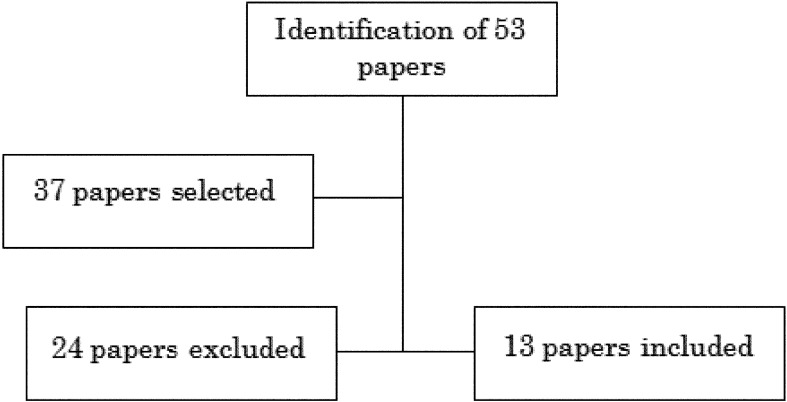
[Purpose] The aim of the present study was to analyze the effect of an ankle-foot orthosis on gait variables (velocity and cadence) of stroke patients. To do this, a systematic review was conducted of four databases. [Subjects and Methods] The papers identified were evaluated based on the following inclusion criteria: 1) design: controlled, clinical trial; 2) population: stroke patients; 3) intervention: analysis of spatiotemporal variables of gait with an ankle-foot orthosis; 4) control group with different intervention or no intervention; and 5) outcome: improvement in gait velocity or cadence. [Results] Thirteen controlled trials addressing the effect of an ankle-foot orthosis on gait variables of stroke patients were found. They exhibited methodological quality of 3 or more points on the PEDro scale. [Conclusion] While the findings suggest the benefits of an AFO regarding gait velocity, the impact of this type of orthosis on cadence remains inconclusive. Thus, there is a need for further well-designed randomized, controlled, clinical trials to establish better scientific evidence for the effects of AFO usage on gait variables of stroke patients.
Keywords: Gait; Orthosis; Stroke.
Figures
References
-
- Ferrarello F, Baccini M, Rinaldi LA, et al. : Efficacy of physiotherapy interventions late after stroke: a meta-analysis. J Neurol Neurosurg Psychiatry, 2011, 82: 136–143 - PubMed
-
- Meilink A, Hemmen B, Seelen HA, et al. : Impact of EMG-triggered neuromuscular stimulation of the wrist and finger extensors of the paretic hand after stroke: a systematic review of the literature. Clin Rehabil, 2008, 22: 291–305 - PubMed
-
- Thaut MH, Kenyon GP, Hurt CP, et al. : Kinematic optimization of spatiotemporal patterns in paretic arm training with stroke patients. Neuropsychologia, 2002, 40: 1073–1081 - PubMed
-
- de Wit DC, Buurke JH, Nijlant JM, et al. : The effect of an ankle-foot orthosis on walking ability in chronic stroke patients: a randomized controlled trial. Clin Rehabil, 2004, 18: 550–557 - PubMed
Publication types
LinkOut - more resources
Full Text Sources
Other Literature Sources
Medical