


doi: 10.3390/s140100795.
Underwater acoustic wireless sensor networks: advances and future trends in physical, MAC and routing layers
Affiliations
- PMID: 24399155
- PMCID: PMC3926587
- DOI: 10.3390/s140100795
Item in Clipboard
Underwater acoustic wireless sensor networks: advances and future trends in physical, MAC and routing layers
Sensors (Basel).
.
Abstract
This survey aims to provide a comprehensive overview of the current research on underwater wireless sensor networks, focusing on the lower layers of the communication stack, and envisions future trends and challenges. It analyzes the current state-of-the-art on the physical, medium access control and routing layers. It summarizes their security threads and surveys the currently proposed studies. Current envisioned niches for further advances in underwater networks research range from efficient, low-power algorithms and modulations to intelligent, energy-aware routing and medium access control protocols.
Figures
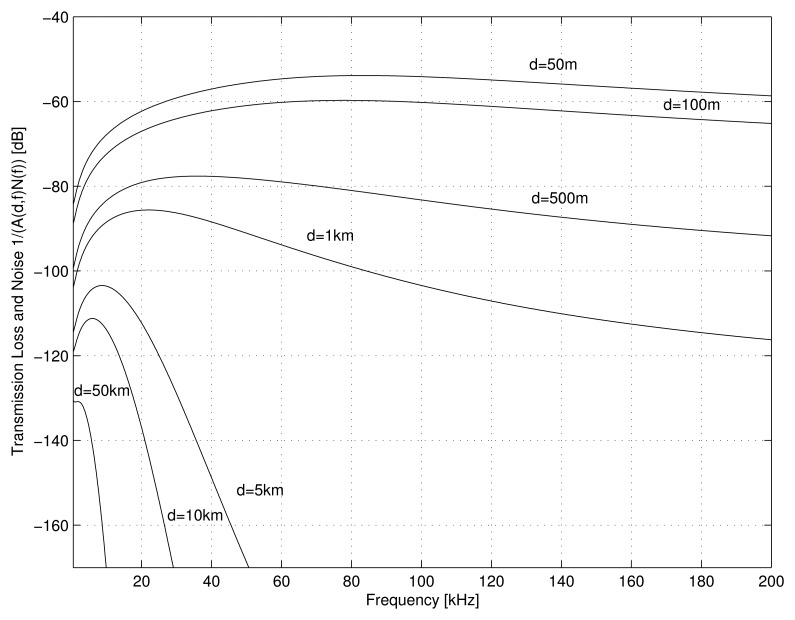
Narrow-band signal-to-noise ratio (SNR; 1/(AN)) as a function of frequency for varying transmission distance. Environmental factors used: practical spreading, k = 1.5; wind speed, w = 3 m/s; and moderate shipping activity, s = 0.5.
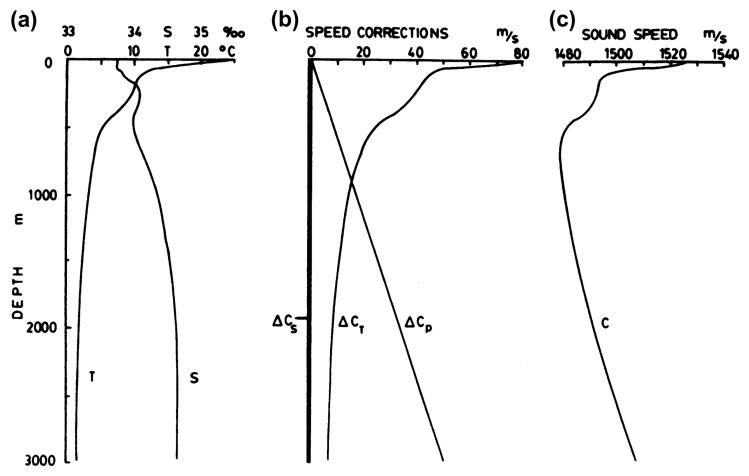
Temperature, salinity data and their impact on the sound speed profile. Data retrieved from the Papa station placed in the Pacific ocean (39°N, 146°W) in August, 1959.
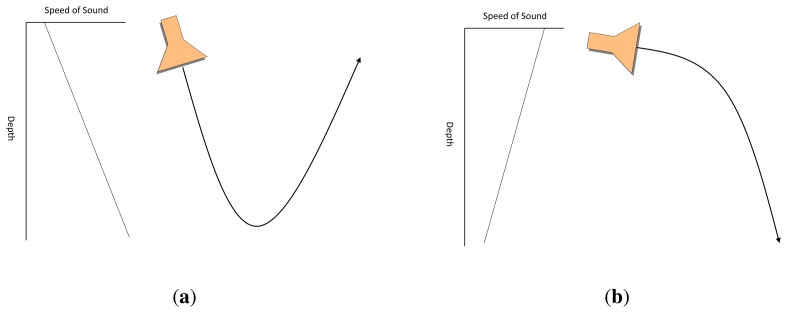
Acoustic Ray Tracing for Sound Speed Profiles with Positive and Negative Gradients. (a) Positive Gradient Sound Speed Profile. (b) Negative Gradient Sound Speed Profile.
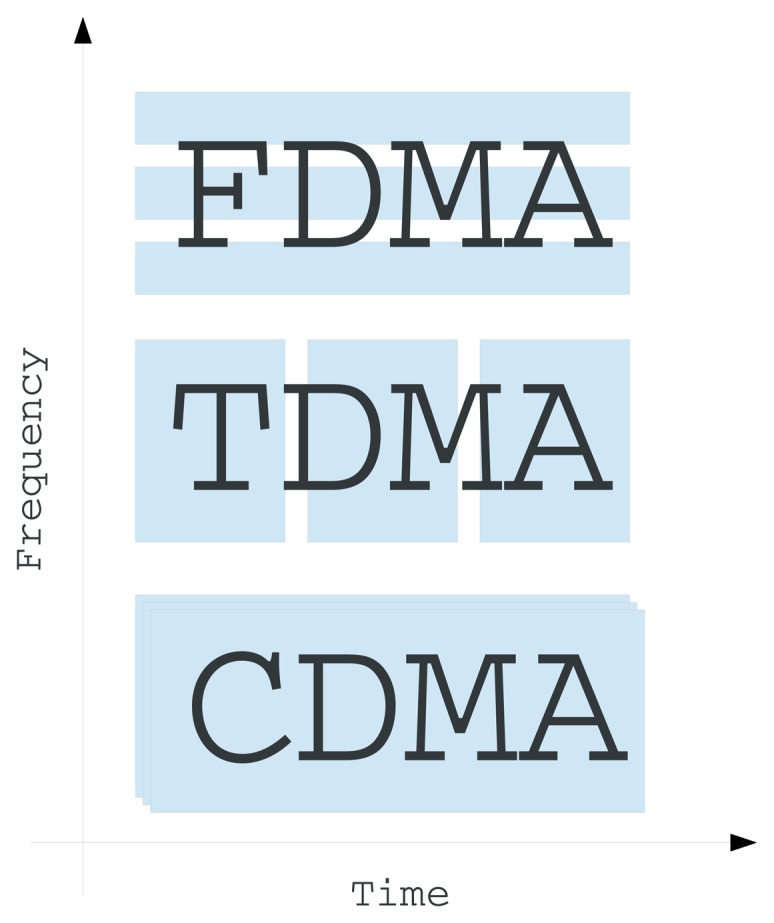
Contention-free communication can be accomplished by assigning time, frequency or unique codes.
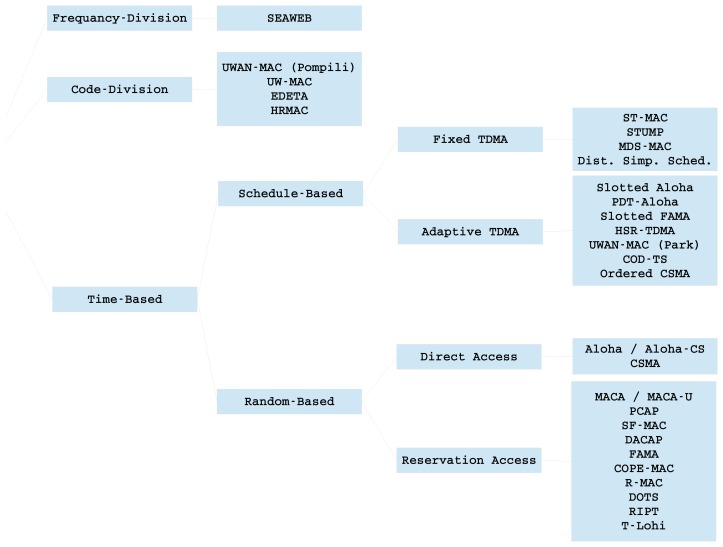
Classification of medium access control (MAC) protocols.
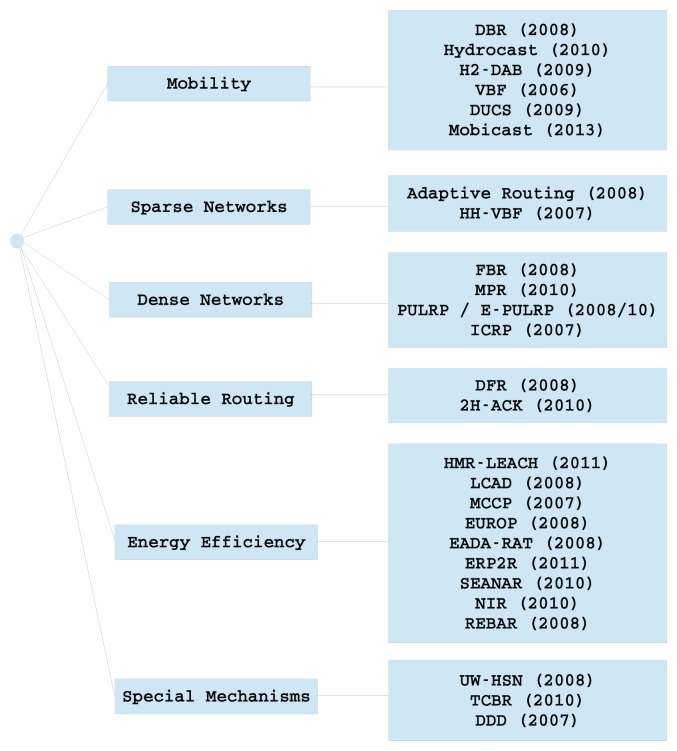
Classification of routing protocols.
References
-
- Headrick R., Freitag L. Growth of underwater communication technology in the U.S. Navy. IEEE Commun. Mag. 2009;47:80–82.
-
- Benson B. Ph.D. Thesis. University of California; San Diego, CA, USA: 2010. Design of a Low-cost Underwater Acoustic Modem for Short-Range Sensor Networking Appications.
-
- Heidemann J., Stojanovic M., Zorzi M. Underwater sensor networks: Applications, advances and challenges. Philos. Trans. R. Soc. A. 2012;370:158–175. - PubMed
-
- Akyildiz I.F., Pompili D., Melodia T. Underwater acoustic sensor networks: Research challenges. Ad. Hoc. Netw. 2005;3:257–279.
-
- Stojanovic M., Preisig J. Underwater acoustic communication channels: Propagation models and statistical characterization. IEEE Commun. Mag. 2009;47:84–89.
Publication types
MeSH terms
Substances
LinkOut - more resources
Full Text Sources
Other Literature Sources
