


Detection of naturally infected vector ticks (acari: ixodidae) by different species of babesia and theileria agents from three different enzootic parts of iran
- PMID: 24409442
- PMCID: PMC3875883
Detection of naturally infected vector ticks (acari: ixodidae) by different species of babesia and theileria agents from three different enzootic parts of iran
Abstract
Background: Diagnostic study of vector ticks for different pathogens transmitted specifically have been done by Iranian old scientists working on the basis of biological transmission of pathogens. In this study we decided to confirm natural infection of different collected ticks from three different provinces of Iran.
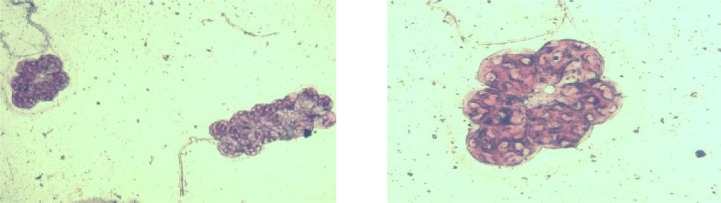
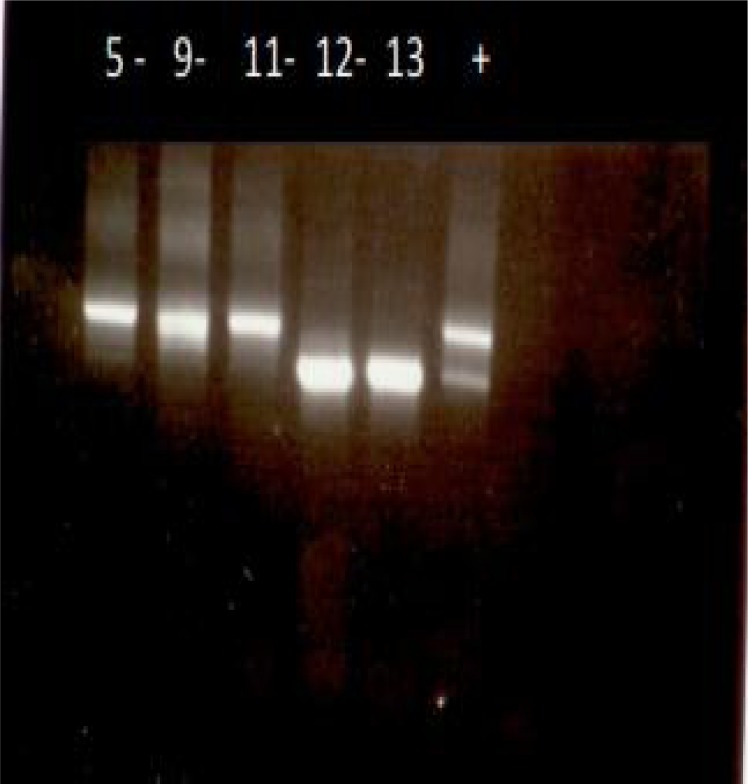
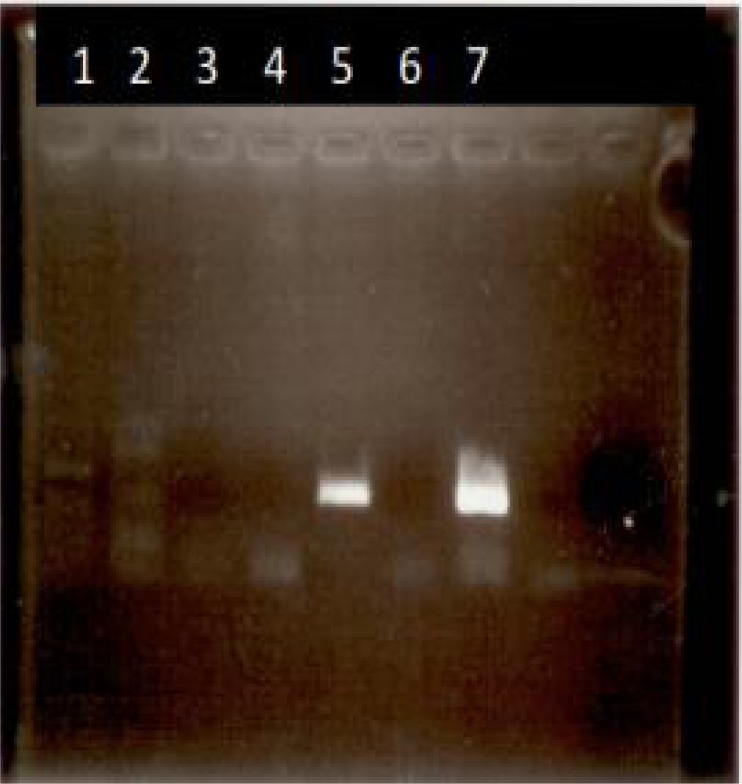
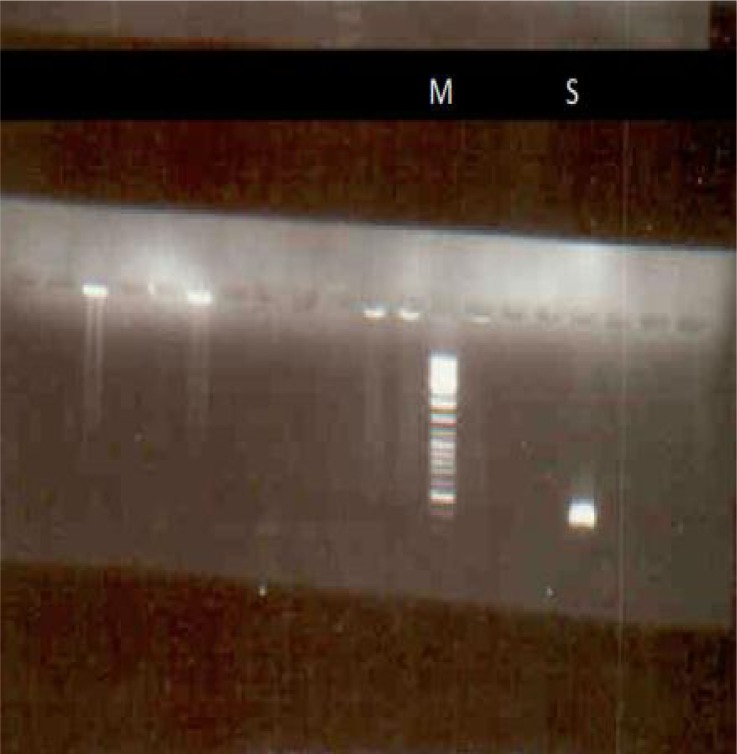
Methods: Ticks were collected from livestock (sheep, goats and cattle) during favorable seasons (April to September 2007 and 2008). Slide preparations were stained by Giemsa and Feulgen and were studied searching for any trace of infection. Positive DNA from infected blood or tissue samples was provided and was used as positive control. First, PCR optimization for positive DNA was done, and then tick samples were subjected to specific PCR.
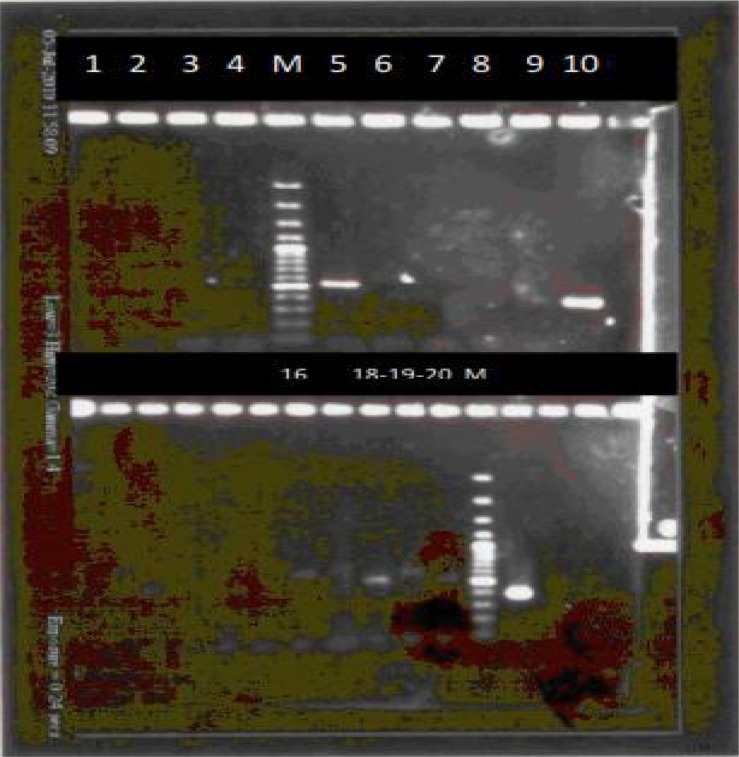
Results: Eleven pairs of primers were designed for detection of Theileria, Babesia and Anaplasma spp. Totally 21 tick samples were detected to be infected with protozoa. Hyalomma anatolicum anatolicum and Rhipicephalus turanicus from Fars Province were infected with T. lestoquardi at two different places. Hyalomma detritum was infected with T. lestoquardi in Lorestan Province and Rh. turanicus was infected to Ba. ovis from Fars Province.
Conclusion: Totally 21 tick samples were detected to be infected with protozoa. Every sample is regarded with host-environment related factors. Since there are complex relations of vectors and their relevant protozoa, different procedures are presented for future studies.
Keywords: Ixodidae; Molecular Detection; Tick; Vector.
Figures
References
-
- Abdigoudarzi M, Noureddine R, Seitzer U, Ahmed J. rDNA-ITS2 Identification of Hyalomma, Rhipicephalus, Dermacentor and Boophilus spp. (Acari: Ixodidae) collected from different geographical regions of Iran. Advanced Studies in Biology. 2011;3(5):221–238.
-
- Allsopp BA, Baylis HA, Allsopp MTEP, Cavalier-Smith T, Bishop RP, Carrington DM, Sohanpal B, Spooner P. Discrimination between six species of Theileria using oligonucleotid probesd which detect small subunit ribosomal RNA sequences. Parasitol. 1993;107:157–165. - PubMed
-
- Alvarez JA, Buening GM, Figueroa JV. Detection of Babesia bovis in ticks by the PCR assay. Abstracts of the 77th Annual Meeting, Conf. Res. Workers Anim. Dis; Chicago, IL. 1996. p. 69.
-
- Bishop R, Sohanpal BK, Kariuki DP, Young AS, Nene V, Baylis H, Allsopp BA, Spooner PR, Dolan TT, Morzaria SP. Detection of a carrier state in Theileria parva-infected cattle by the polymerase chain reaction. Parasitol. 1992;104:215–232. - PubMed
-
- Bishop R, Sohanpal B, Allsopp BA, Spooner PR, Dolan TT, Morzaria SP. Detection of polymorphisms among Theileria parva stocks using repetitive, telomeric and ribosomal DNA probes and anti-schizont monoclonal antibodies. Parasitol. 1993;107:19–31. - PubMed
LinkOut - more resources
Full Text Sources
Miscellaneous