


Multimodality management of esophageal cancer
- PMID: 24426708
- PMCID: PMC3693149
- DOI: 10.1007/s13193-013-0216-0
Multimodality management of esophageal cancer
Abstract
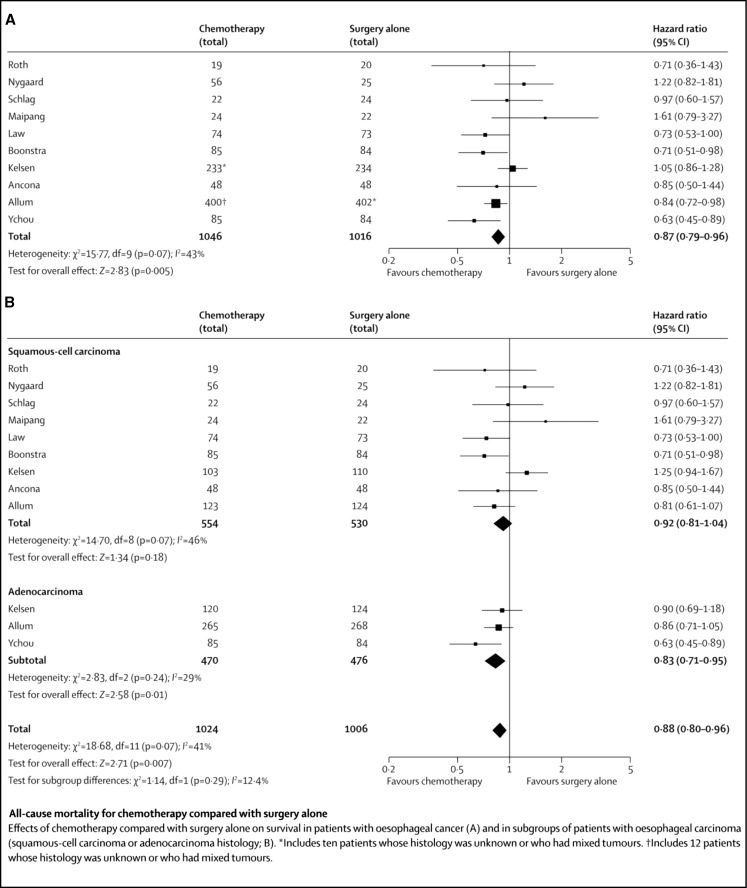
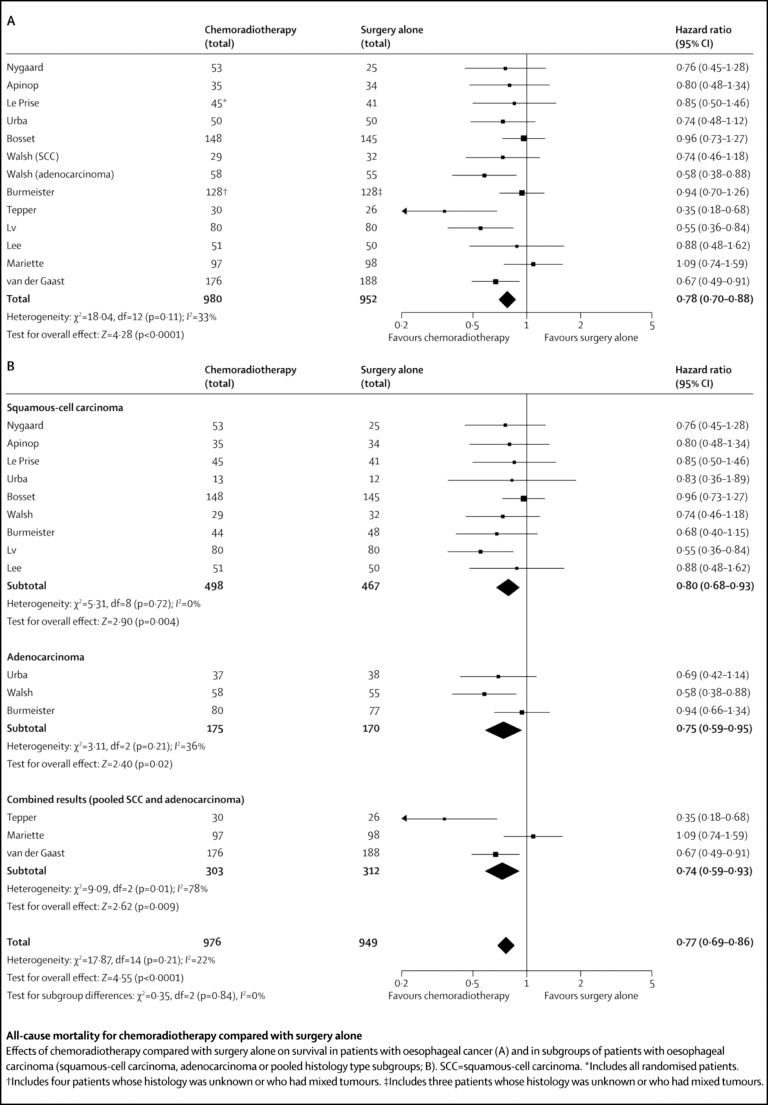
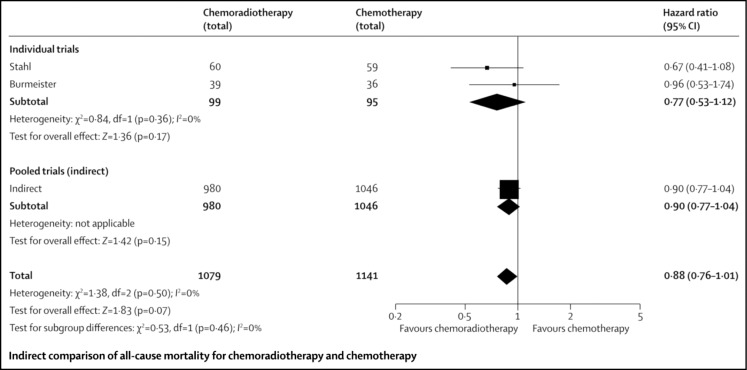
Esophageal cancer is a highly lethal and aggressive disease and a major public health problem worldwide. The incidence of esophageal cancer in the western hemisphere has increased by 400 % in the past few decades (Posner et al. 2011). Surgery is the mainstay of definitive management of esophageal cancer; however, the results of surgery alone have been dismal, with survival rates of approximately 15 to 20 % at 5 years (Hingorani et al., Clin Oncol 23:696-705, 2011). The last three decades have seen growing interest in various adjuvant and neoadjuvant treatment strategies, with an aim to improve disease control and overall survival. However, due to conflicting and often contradictory results, there was controversy on the ideal treatment paradigm. Recent evidence suggests an improvement in overall survival with neoadjuvant therapy, both chemotherapy and chemoradiotherapy, over surgery. In this review we address various issues concerning multimodality management of locally advanced esophageal cancers: Does neoadjuvant therapy offer a definite benefit over surgery alone? If so, which neoadjuvant strategy? Does the survival benefit outweigh the increased treatment related toxicity/morbidity? Finally, is neoadjuvant treatment the standard of care for locally advanced resectable esophageal cancer?
Keywords: Adenocarcinoma; Locally advanced esophageal carcinoma; Neoadjuvant chemoradiation; Neoadjuvant chemotherapy; Squamous cell carcinoma.
Figures
References
-
- Posner MC, Minsky BD, Ilson DH. Cancer of the esophagus. In: Devita VT, editor. Cancer principles & practice of oncology. 9. Philadelphia: Lippincott Williams & Wilkins; 2011. pp. 887–923.
Publication types
LinkOut - more resources
Full Text Sources
Other Literature Sources
Miscellaneous