


Physical status of human papillomavirus integration in cervical cancer is associated with treatment outcome of the patients treated with radiotherapy
- PMID: 24427262
- PMCID: PMC3888442
- DOI: 10.1371/journal.pone.0078995
Physical status of human papillomavirus integration in cervical cancer is associated with treatment outcome of the patients treated with radiotherapy
Erratum in
-
Correction: Physical Status of Human Papillomavirus Integration in Cervical Cancer Is Associated with Treatment Outcome of the Patients Treated with Radiotherapy.PLoS One. 2025 Oct 29;20(10):e0335489. doi: 10.1371/journal.pone.0335489. eCollection 2025. PLoS One. 2025. PMID: 41160540 Free PMC article.
Abstract
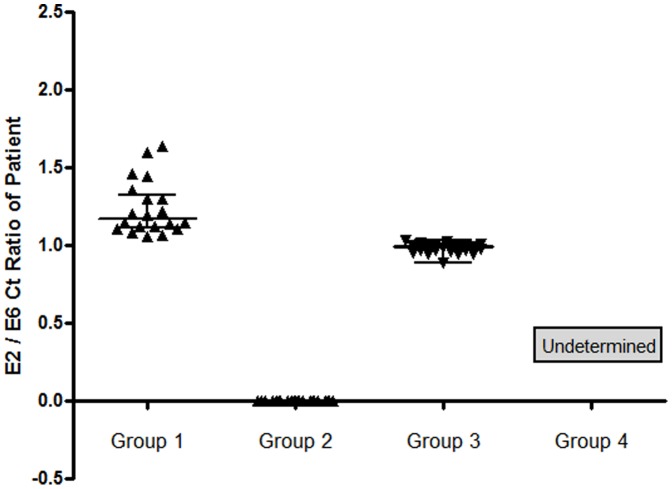
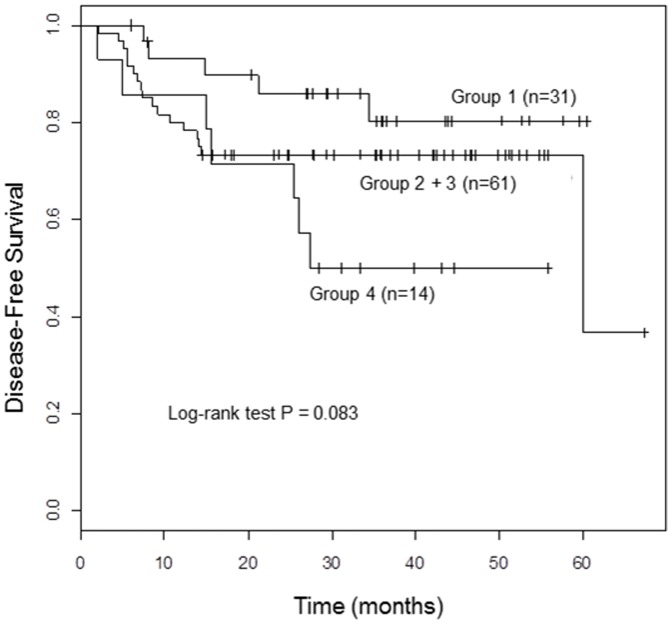
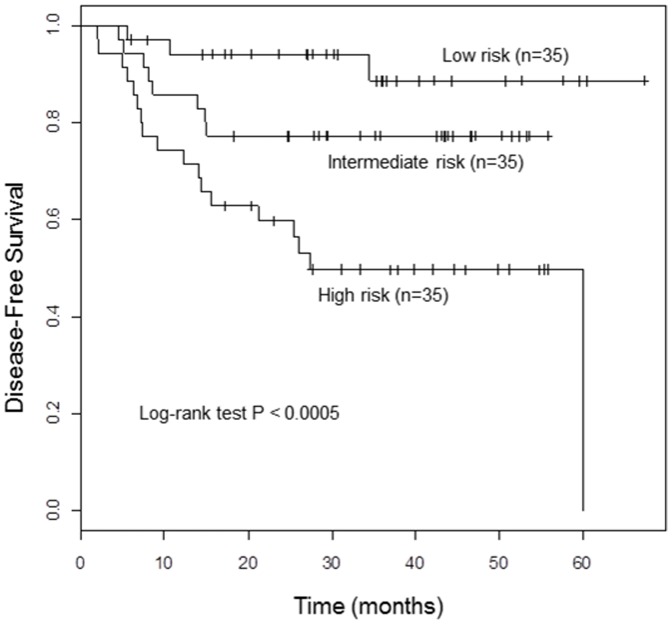
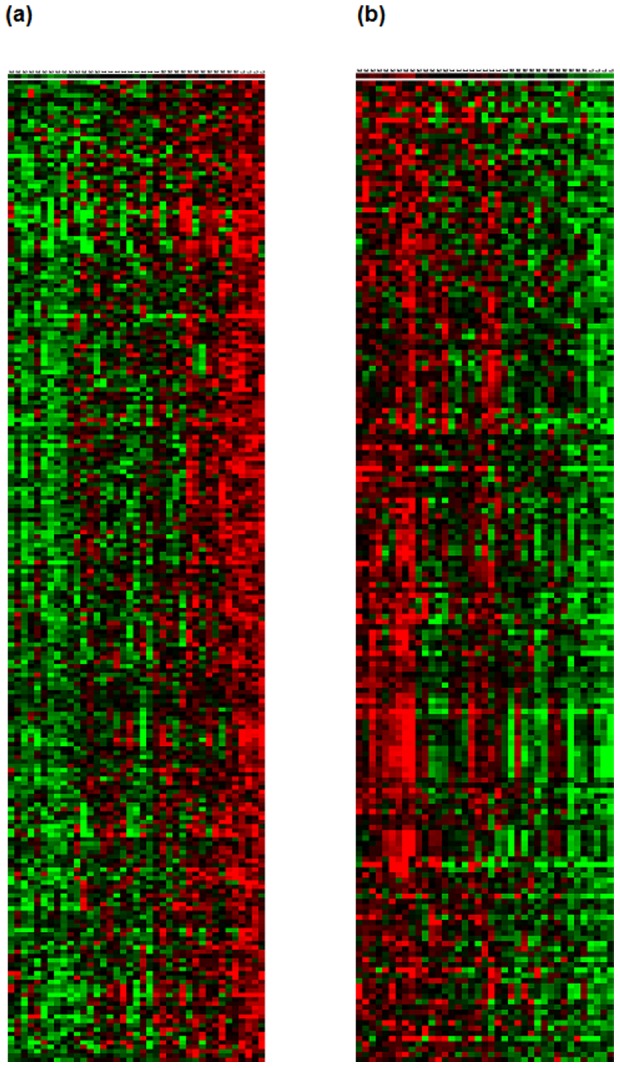
Integration of human papillomavirus (HPV) DNA into the host genome is a critical aetiological event in the progression from normal cervix to intraepithelial neoplasm, and finally to invasive cervical cancer. However, there has been little work on how HPV integration status relates to treatment outcome for cervical carcinomas. In the current study, HPV E2 and E6 gene copy numbers were measured in 111 cervical cancer tissues using real-time QPCR. Integration patterns were divided into four groups: single copy-integrated with episomal components (group 1), single copy-integrated without episomal components (group 2), multicopy tandem repetition-integrated (group 3), and low HPV (group 4) groups. A relapse-predicting model was constructed using multivariable Cox proportional hazards model to classify patients into different risk groups for disease-free survival (DFS). The model was internally validated using bootstrap resampling. Oligonucleotide microarray analysis was performed to evaluate gene expression patterns in relation to the different integration groups. DFS rate was inferior in the order of the patients in group 4, group 2/3, and group 1. Multivariate analysis showed that histologic grade, clinical stage group, and integration pattern were significant prognostic factors for poor DFS. The current prognostic model accurately predicted the risk of relapse, with an area under the receiver operating characteristic curve (AUC) of 0.74 (bootstrap corrected, 0.71). In conclusion, these data suggest that HPV integration pattern is a potent prognostic factor for tailored treatment of cervical cancer.
Conflict of interest statement
Figures
References
-
- Vernon SD, Unger ER, Miller DL, Lee DR, Reeves WC (1997) Association of human papillomavirus type 16 integration in the E2 gene with poor disease-free survival from cervical cancer. Int J Cancer 74: 50–56. - PubMed
Publication types
MeSH terms
Substances
LinkOut - more resources
Full Text Sources
Other Literature Sources
Medical
Molecular Biology Databases
