


Dynamic balance performance and noncontact lower extremity injury in college football players: an initial study
- PMID: 24427412
- PMCID: PMC3752196
- DOI: 10.1177/1941738113498703
Dynamic balance performance and noncontact lower extremity injury in college football players: an initial study
Abstract
Background: Field expedient screening tools that can identify individuals at an elevated risk for injury are needed to minimize time loss in American football players. Previous research has suggested that poor dynamic balance may be associated with an elevated risk for injury in athletes; however, this has yet to be examined in college football players.
Hypothesis: To determine if dynamic balance deficits are associated with an elevated risk of injury in collegiate football players. It was hypothesized that football players with lower performance and increased asymmetry in dynamic balance would be at an elevated risk for sustaining a noncontact lower extremity injury.
Study design: Prospective cohort study.
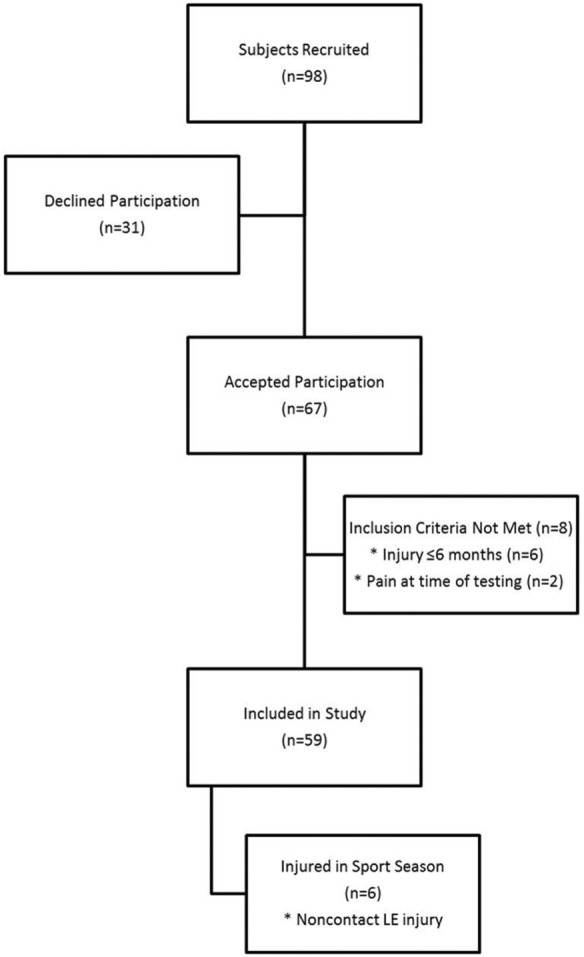
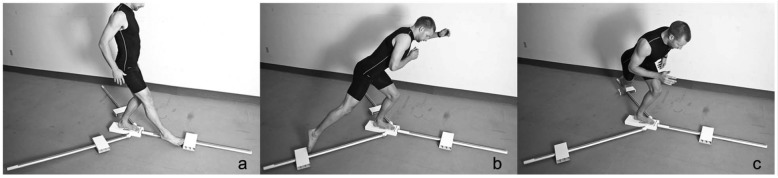
Methods: Fifty-nine collegiate American football players volunteered for this study. Demographic information, injury history, and dynamic balance testing performance were collected, and noncontact lower extremity injuries were recorded over the course of the season. Receiver operator characteristic curves were calculated based on performance on the Star Excursion Balance Test (SEBT), including composite score and asymmetry, to determine the population-specific risk cut-off point. Relative risk was then calculated based on these variables, as well as previous injury.
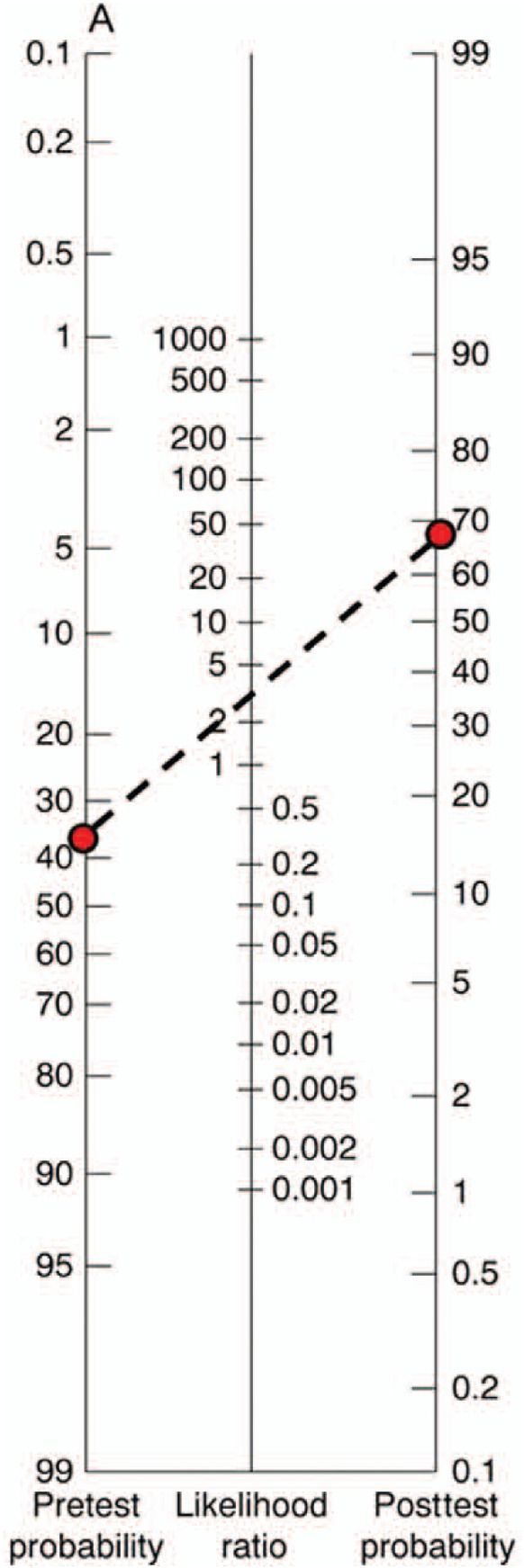
Results: A cut-off point of 89.6% composite score on the SEBT optimized the sensitivity (100%) and specificity (71.7%). A college football player who scored below 89.6% was 3.5 times more likely to get injured.
Conclusion: Poor performance on the SEBT may be related to an increased risk for sustaining a noncontact lower extremity injury over the course of a competitive American football season.
Clinical relevance: College football players should be screened preseason using the SEBT to identify those at an elevated risk for injury based upon dynamic balance performance to implement injury mitigation strategies to this specific subgroup of athletes.
Keywords: Star Excursion Balance Test; field testing; injury screening.
Conflict of interest statement
The following authors declared potential conflicts of interest: Kyle B. Kiesel, PT, PhD, ATC, has ownership in Move2perform LLC; and Phillip J. Plisky, PT, DSc, ATC, has received grants or has grants pending from the Henry M. Jackson Foundation and has received payment for lectures and has patents pending for Move2Perform, LLC and FunctionalMovement, LLC.
Figures
References
-
- Carek PJ, Hunter L. The preparticipation physical examination for athletics: a critical review of current recommendations. J Med Liban. 2001;49:292-297 - PubMed
-
- Gomez JE, Ross SK, Calmbach WL, Kimmel RB, Schmidt DR, Dhanda R. Body fatness and increased injury rates in high school football linemen. Clin J Sports Med. 1998;8:115-120 - PubMed
-
- Herrington L, Hatcher J, Hatcher A, McNicholas M. A comparison of Star Excursion Balance Test reach distances between ACL deficient patients and asymptomatic controls. Knee. 2009;16:149-152 - PubMed
-
- Hertel J, Braham RA, Hale SA, Olmsted-Kramer LC. Simplifying the Star Excursion Balance Test: analyses of subjects with and without chronic ankle instability. J Orthop Sports Phys Ther. 2006;36:131-137 - PubMed
LinkOut - more resources
Full Text Sources
Other Literature Sources
