


Efficacy of 4 % Articaine and 2 % Lidocaine: A clinical study
- PMID: 24431806
- PMCID: PMC3589513
- DOI: 10.1007/s12663-012-0368-4
Efficacy of 4 % Articaine and 2 % Lidocaine: A clinical study
Abstract
Objectives: This study was undertaken to compare the anesthetic properties of 4 % Articaine hydrochloride and 2 % Lidocaine both with 1:100,000 epinephrine for mandibular inferior alveolar nerve anesthesia.
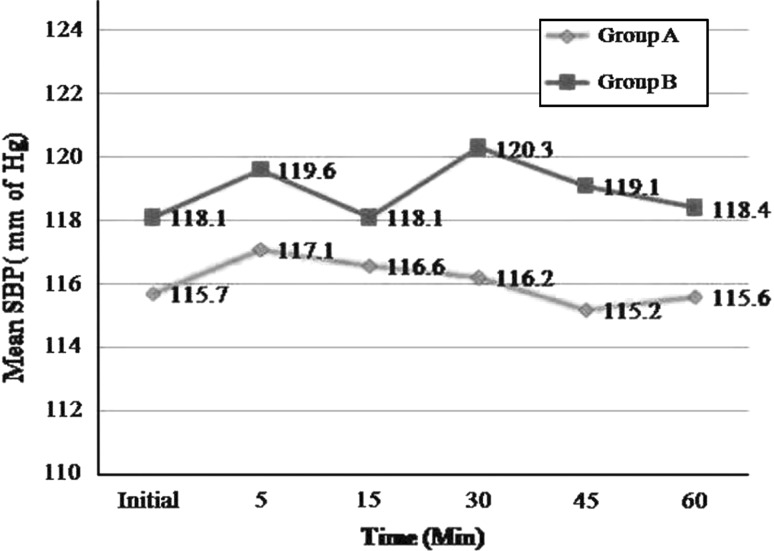
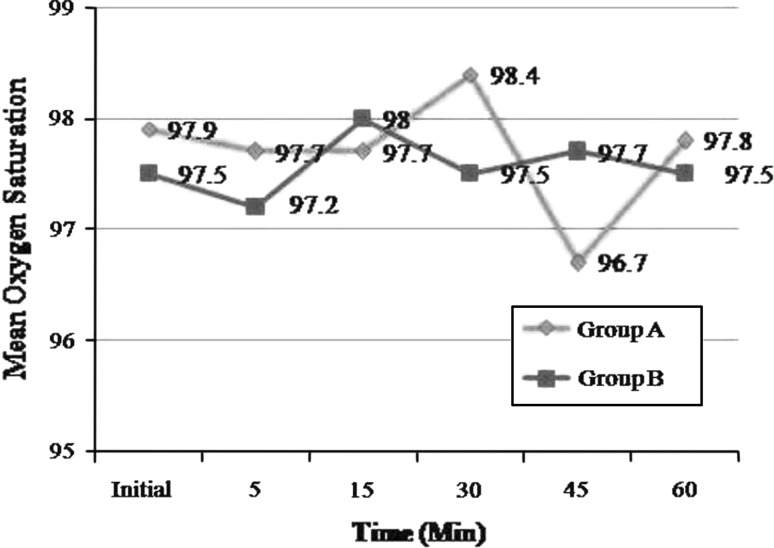
Materials and methods: Thirty healthy patients were included in this randomized double-blind clinical cross over study. Each subject received each test solution at different times. Inferior alveolar nerve block anesthesia was used for extraction of bilateral impacted mandibular third molar on different occassions. The time of onset of action, duration of anesthesia, efficacy of anesthesia, hemodynamic parameters and oxygen saturation were monitored during the procedure. A visual analog scale was used to assess pain during surgery, and thus subjectively evaluate the anesthetic efficacy of the two solutions.
Results: No statistically significant differences were seen in the onset and duration of anesthesia between the Articaine and Lidocaine solutions.
Conclusions: 4 % Articaine offers better clinical performance than 2 % Lidocaine, particularly in terms of latency and duration of the anesthetic effect. However, no statistically significant differences in anesthetic efficacy were recorded between the two solutions.
Keywords: Articaine; Clinical study; Efficacy; Impacted mandibular third molar; Lidocaine; Randomized.
Figures


References
-
- Bennett CR (ed) (1990) Phero JC: Postoperative pain control. In: Monheim’s local anesthesia and pain control in dental practice, 7th edn. CV Mosby, St. Louis, pp 125–159
-
- Catterall W, Mackie K (2001) Local anesthetics. In: Hardman JG, Limbird LE (eds) Goodman & Gilman’s the pharmacological basis of therapeutics, 10th edn. McGraw-Hill, New York, NY, pp 367–384
-
- Strichartz GR, Berde CB (2005) Local anesthetics. In: Miller RD (ed) Miller’s anesthesia. Churchill Livingstone, New York, pp 573–603
-
- Satoskar RS, Bhandarkar SD, Ainapure SS (1999) Pharmacology and pharmacotherapeutics. Popular Prakashan, Mumbai, pp 224–229
-
- Malamed SF (ed) (2007) Clinical action of specific agents. In: Handbook of local anesthesia, 5th edn. Mosby, St Louis, MO, pp 61–65 and 71–73
LinkOut - more resources
Full Text Sources