


The outcomes of manipulation or mobilization therapy compared with physical therapy or exercise for neck pain: a systematic review
- PMID: 24436697
- PMCID: PMC3699243
- DOI: 10.1055/s-0033-1341605
The outcomes of manipulation or mobilization therapy compared with physical therapy or exercise for neck pain: a systematic review
Abstract
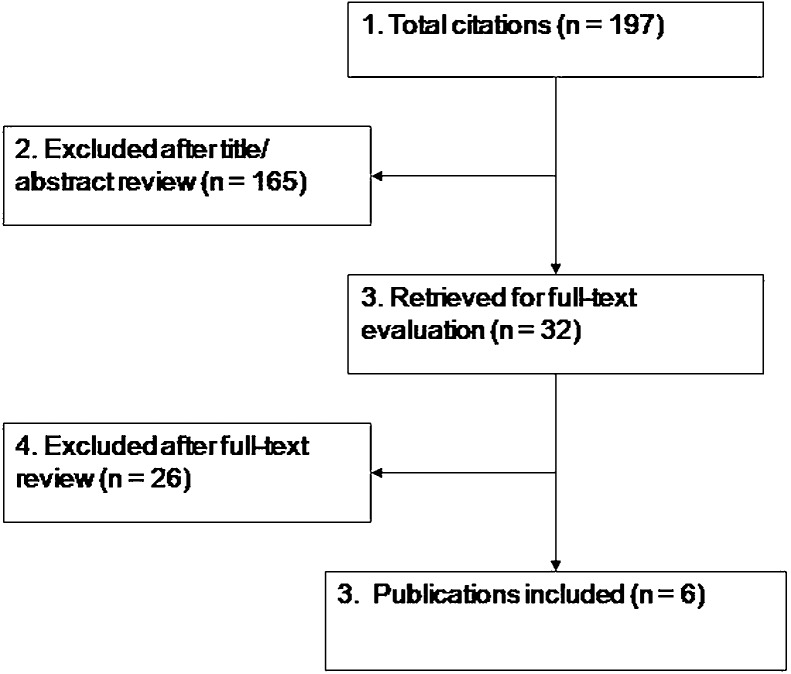
Study Design Systematic review. Study Rationale Neck pain is a prevalent condition. Spinal manipulation and mobilization procedures are becoming an accepted treatment for neck pain. However, data on the effectiveness of these treatments have not been summarized. Objective To compare manipulation or mobilization of the cervical spine to physical therapy or exercise for symptom improvement in patients with neck pain. Methods A systematic review of the literature was performed using PubMed, the National Guideline Clearinghouse Database, and bibliographies of key articles, which compared spinal manipulation or mobilization therapy with physical therapy or exercise in patients with neck pain. Articles were included based on predetermined criteria and were appraised using a predefined quality rating scheme. Results From 197 citations, 7 articles met all inclusion and exclusion criteria. There were no differences in pain improvement when comparing spinal manipulation to exercise, and there were inconsistent reports of pain improvement in subjects who underwent mobilization therapy versus physical therapy. No disability improvement was reported between treatment groups in studies of acute or chronic neck pain patients. No functional improvement was found with manipulation therapy compared with exercise treatment or mobilization therapy compared with physical therapy groups in patients with acute pain. In chronic neck pain subjects who underwent spinal manipulation therapy compared to exercise treatment, results for short-term functional improvement were inconsistent. Conclusion The data available suggest that there are minimal short- and long-term treatment differences in pain, disability, patient-rated treatment improvement, treatment satisfaction, health status, or functional improvement when comparing manipulation or mobilization therapy to physical therapy or exercise in patients with neck pain. This systematic review is limited by the variability of treatment interventions and lack of standardized outcomes to assess treatment benefit.
Keywords: exercise; mobilization therapy; neck pain; physical therapy; spinal manipulation.
Conflict of interest statement
Figures
References
-
- Côté P, Cassidy J D, Carroll L. The Saskatchewan Health and Back Pain Survey. The prevalence of neck pain and related disability in Saskatchewan adults. Spine (Phila Pa 1976) 1998;23(15):1689–1698. - PubMed
-
- Wright J G, Swiontkowski M F, Heckman J D. Introducing levels of evidence to the journal. J Bone Joint Surg Am . 2003;85-A(1):1–3. - PubMed
-
- West S, King V, Carey T S, Rockville, MD: Agency for Healthcare Research and Quality; 2002. Systems to Rate the Strength of Scientific Evidence. Evidence Report/Technology Assessment No. 47 (prepared by the Research Triangle Institute-University of North Carolina Evidence-Based Practice Center, Contract No. 290-97-0011) - PMC - PubMed
-
- Methods Guide for Effectiveness and Comparative Effectiveness Reviews. AHRQ Publication No. 10(12)-EHC063-EFRockville, MD; April 2012. Available at: www.effectivehealthcare.ahrq.gov - PubMed
References Editorial Perspective
-
- Standaert C J Friedly J Erwin M W et al. Comparative effectiveness of exercise, acupuncture, and spinal manipulation for low back pain Spine (Phila Pa 1976) 201136(21 Suppl):S120–S130. - PubMed
-
- White A P Arnold P M Norvell D C Ecker E Fehlings M G Pharmacologic management of chronic low back pain: synthesis of the evidence Spine (Phila Pa 1976) 201136(21 Suppl):S131–S143. - PubMed
-
- Adogwa O, Parker S L, Shau D N. et al. Cost per quality-adjusted life year gained of revision neural decompression and instrumented fusion for same-level recurrent lumbar stenosis: defining the value of surgical intervention. J Neurosurg Spine. 2012;16(2):135–140. - PubMed
-
- Cherkin D C, Deyo R A, Street J H, Hunt M, Barlow W. Pitfalls of patient education. Limited success of a program for back pain in primary care. Spine (Phila Pa 1976) 1996;21(3):345–355. - PubMed
Publication types
LinkOut - more resources
Full Text Sources
Other Literature Sources
Miscellaneous
