


Human body preservation - old and new techniques
- PMID: 24438435
- PMCID: PMC3931544
- DOI: 10.1111/joa.12160
Human body preservation - old and new techniques
Abstract
This review deals with the art of (anatomical) embalming. The first part contains a brief historical review of the history of embalming, starting with ancient cultures such as the Egyptians and the lesser known Chinchorro culture, then going down the centuries and describing the anatomical techniques developed over the last two centuries. The second part deals in detail with the chemicals used for embalming purposes. The third part deals with several approaches to evaluating embalming methods, their suitability for biomechanical testing, antimicrobial properties, histological appearance, and usability. The fourth and final part analyze the European Biocidal Products Directive (98/8/EC) in the light of embalming.
Keywords: anatomy/education; anatomy/history; anatomy/legislation and jurisprudence; anatomy/methods; anatomy/supply and distribution; education; embalming/education; embalming/history; embalming/legislation and jurisprudence; embalming/methods; embalming/standards; embalming/supply and distribution; medical/supply and distribution.
© 2014 Anatomical Society.
Figures
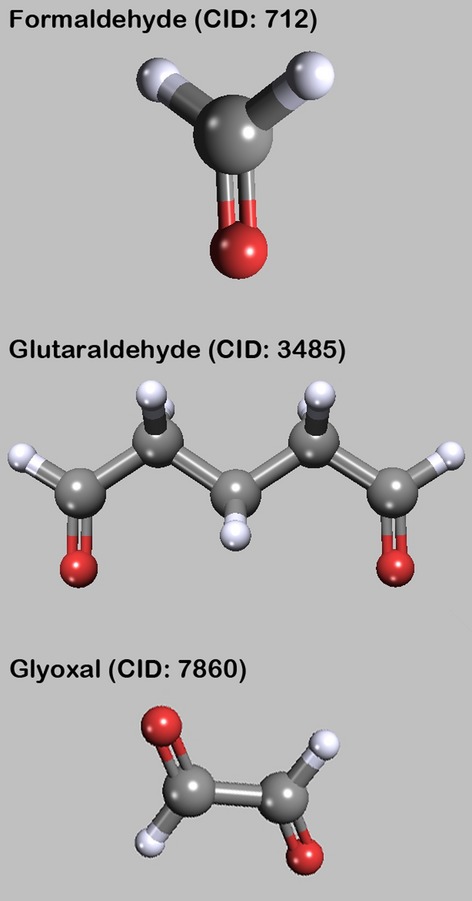
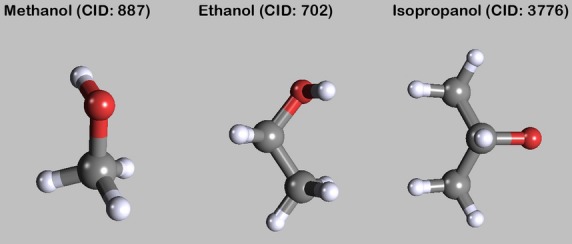
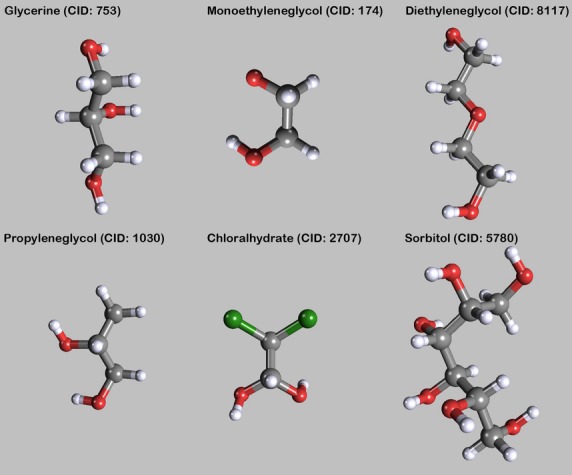
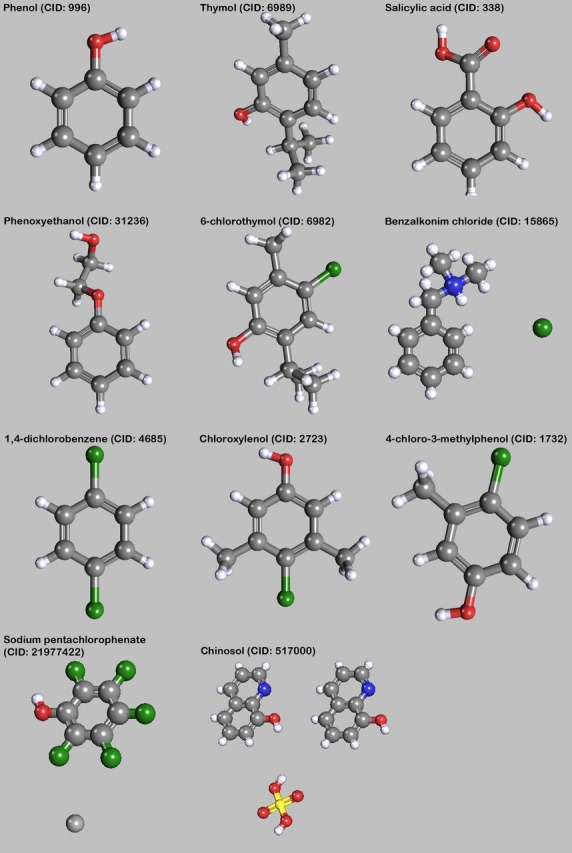
References
-
- Anonymous 2012. Embalming essay. Available at: http://www.freeessays.cc/db/40/rfh153.shtml (accessed 2 May 2012)
-
- Aalto-Korte K, Mäkelä EA, Huttunen M, et al. Occupational contact allergy to glyoxal. Contact Dermatitis. 2005;52:276–281. - PubMed
-
- Ajmani ML. Embalming: Principles and Legal Aspects. Daryagani: Jaypee Brothers Publishers; 1998.
-
- Al-Hayani AA, Hamdy RM, El-Aziz GSA. Shellac: a non-toxic preservative for human embalming techniques. J Anim Vet Adv. 2011;10:1561–1567.
Publication types
MeSH terms
Substances
LinkOut - more resources
Full Text Sources
Other Literature Sources
