


The effects of biological lubricating molecules on flexor tendon reconstruction in a canine allograft model in vivo
- PMID: 24445876
- PMCID: PMC4006300
- DOI: 10.1097/PRS.0000000000000102
The effects of biological lubricating molecules on flexor tendon reconstruction in a canine allograft model in vivo
Abstract
Background: Using allograft is an attractive alternative for flexor tendon reconstruction because of the lack of donor-site morbidity, and better matching to the intrasynovial environment. The purpose of this study was to use biological lubricant molecules to modify the graft surface to decrease adhesions and improve digit function.
Methods: Twenty-eight flexor digitorum profundus tendons from the second and fifth digits of 14 dogs were lacerated and repaired to create a model with repair failure and scar digit for tendon reconstruction. Six weeks after the initial operation, the tendons were reconstructed with flexor digitorum profundus allograft tendons obtained from canine cadavers. One graft tendon in each dog was treated with saline as a control and the other was treated with carbodiimide-derivatized hyaluronic acid and gelatin plus lubricin. Six weeks postoperatively, digit function, graft mechanics, and biology were analyzed.
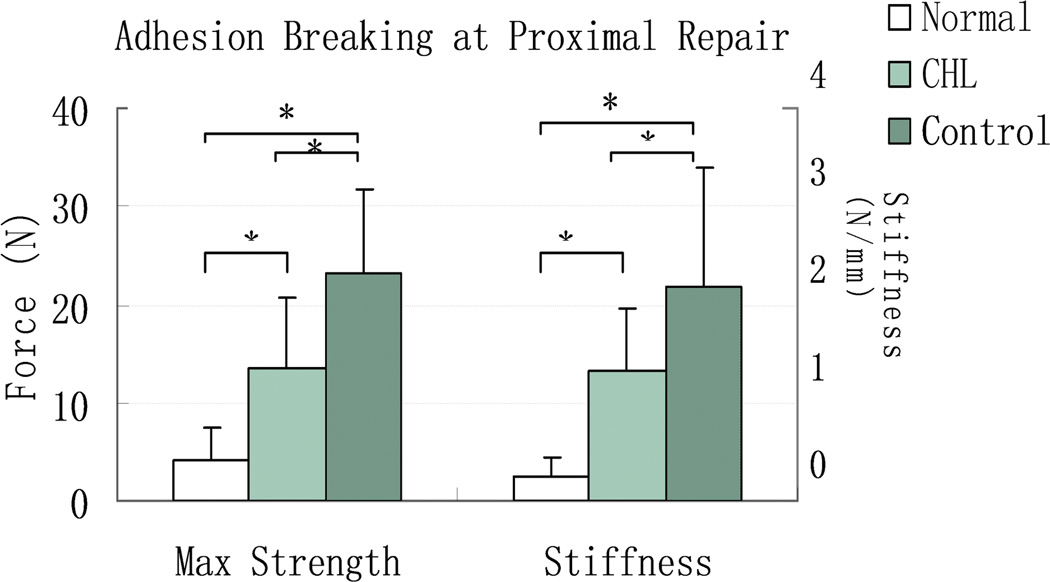
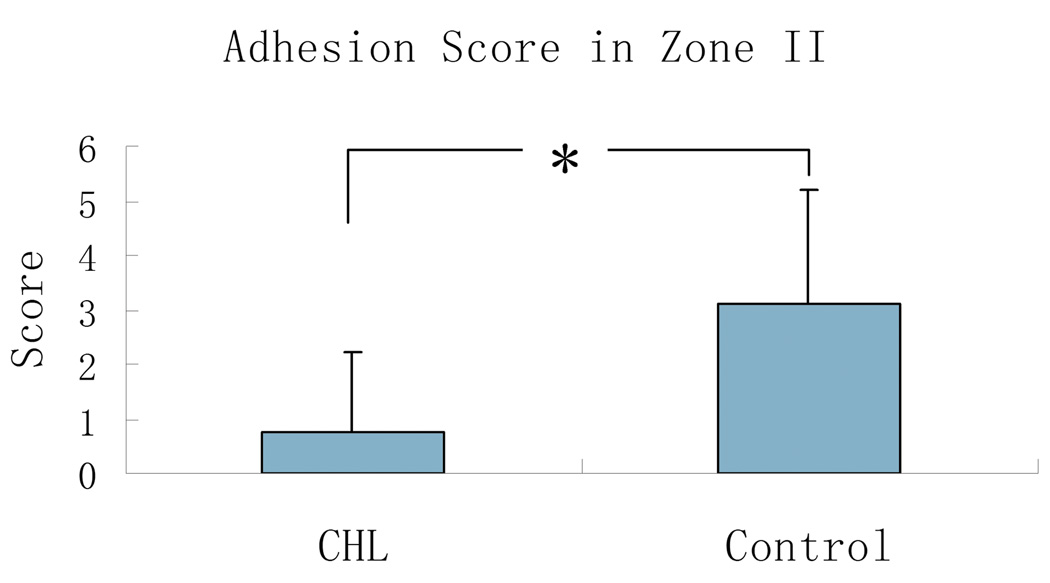
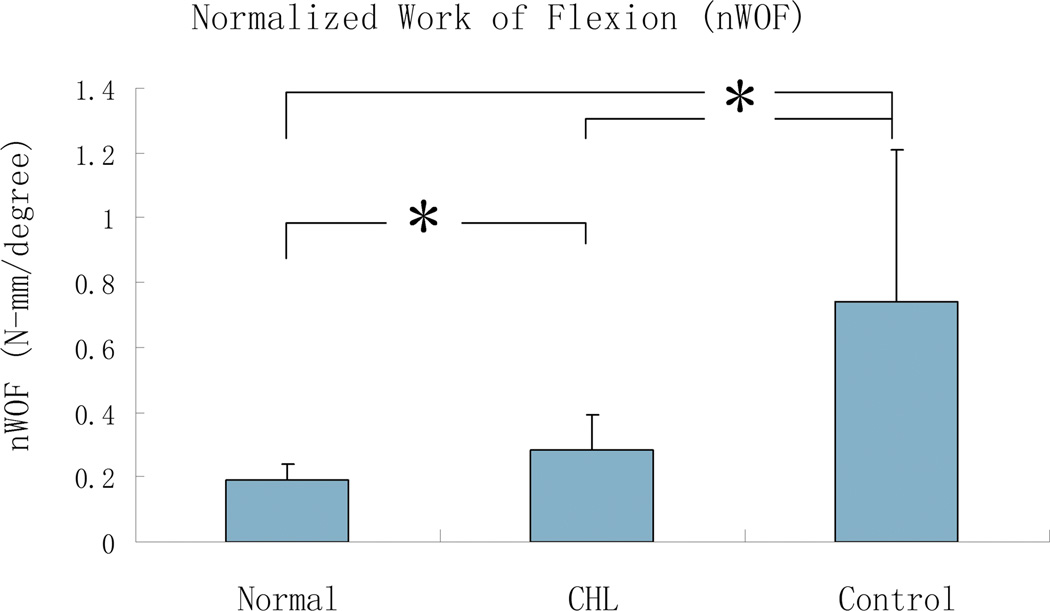
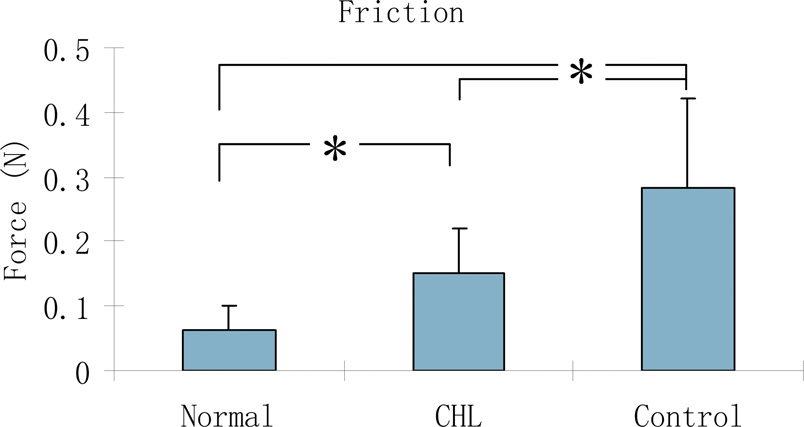
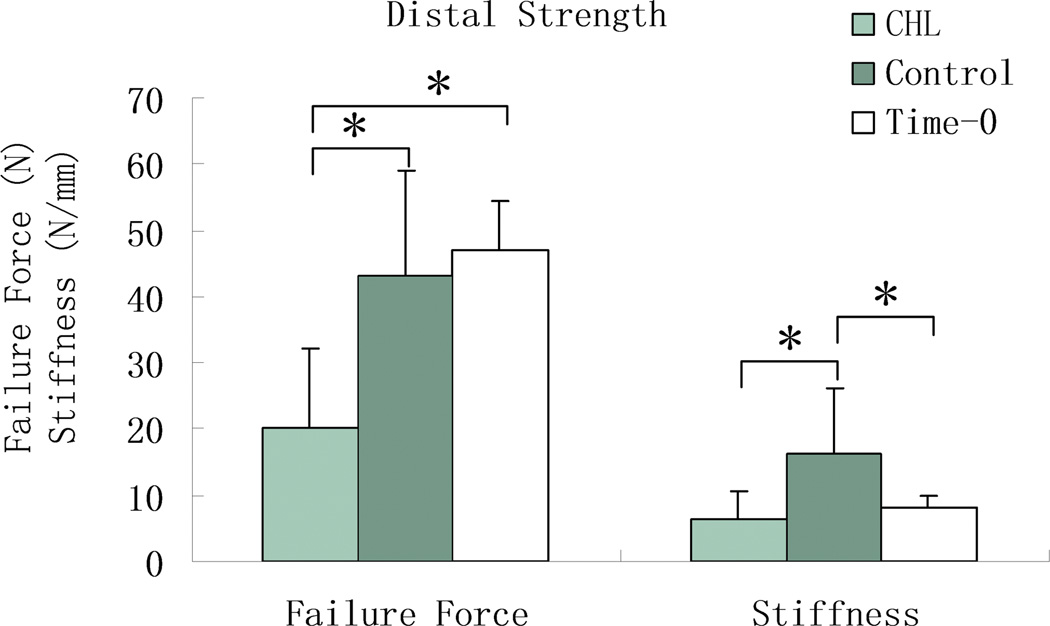
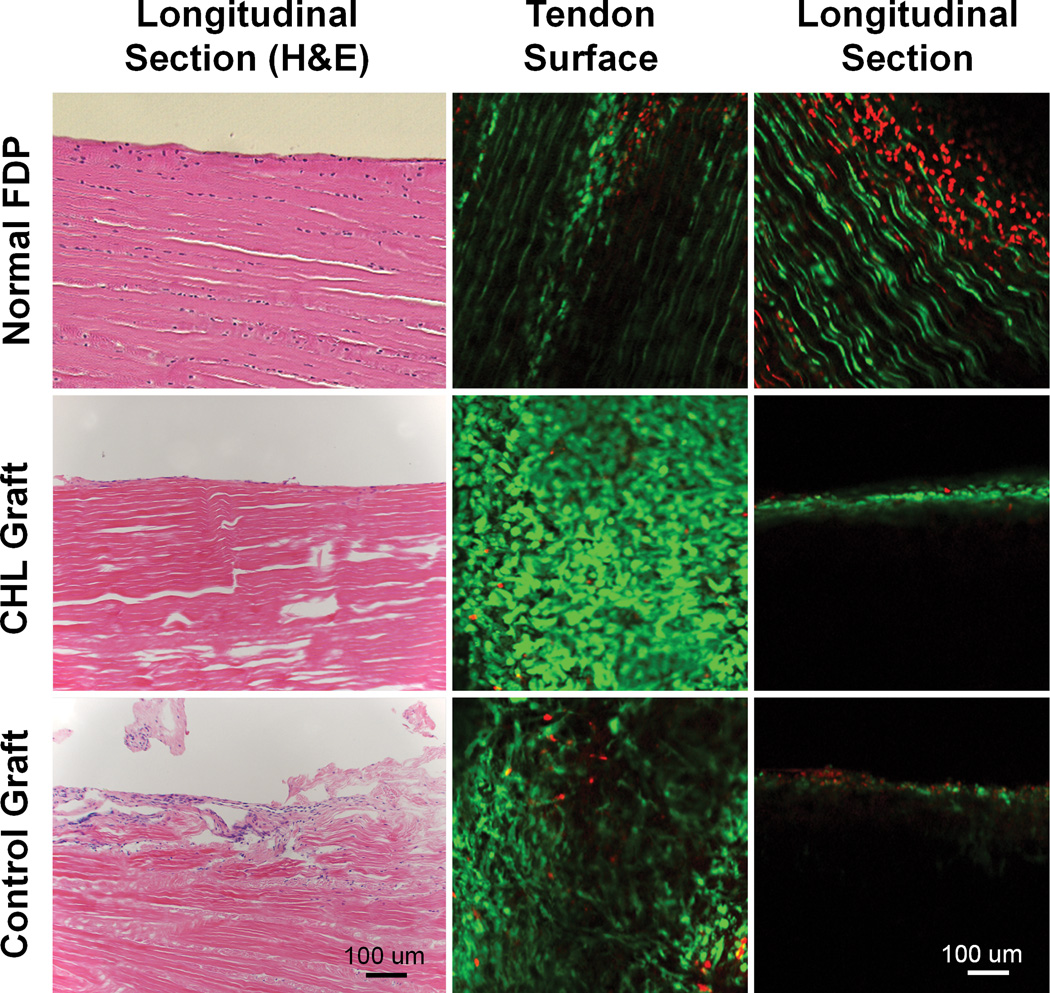
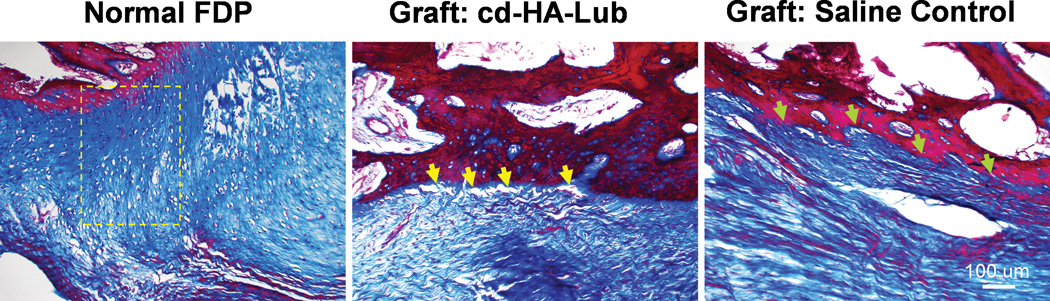
Results: Allograft tendons treated with carbodiimide-derivatized hyaluronic acid-lubricin had decreased adhesions at the proximal tendon/graft repair and within the flexor sheath, improved digit function, and increased graft gliding ability. The treatment also reduced the strength at the distal tendon-to-bone repair, but the distal attachment rupture rate was similar for both graft types. Histologic evaluation showed that viable cells migrated to the allograft, but these were limited to the tendon surface.
Conclusions: Carbodiimide-derivatized hyaluronic acid-lubricin treatment of tendon allograft improves digit functional outcomes after flexor tendon reconstruction. However, delayed bone-to-tendon healing should be a caution. Furthermore, the cell infiltration into the allograft tendon substance should be a target for future studies, to shorten the allograft self-regeneration period.
Figures
References
-
- Pulvertaft RG. Tendon grafts for flexor tendon injuries in the fingers and thumb; a study of technique and results. J Bone Joint Surg Br. 1956;38-B:175–194. - PubMed
-
- White WL. Tendon grafts: A conssideration of their source, procurement and suitability. Surg Clin North Am. 1960;40:403–413. - PubMed
-
- Williams SB. New dynamic concepts in the grafting of flexor tendons. Plast Reconstr Surg. 1965;36:377–419. - PubMed
-
- McKenzie AR. An experimental multiple barbed suture for the long flexor tendons of the palm and fingers. Preliminary report. J Bone Joint Surg Br. 1967;49:440–447. - PubMed
-
- Green WL, Niebauer JJ. Results of primary and secondary flexor-tendon repairs in no man's land. J Bone Joint Surg Am. 1974;56:1216–1222. - PubMed
Publication types
MeSH terms
Substances
Grants and funding
LinkOut - more resources
Full Text Sources
Other Literature Sources
Medical
