


Preimplantation genetic screening: a practical guide
- PMID: 24453517
- PMCID: PMC3888082
- DOI: 10.4137/CMRH.S10852
Preimplantation genetic screening: a practical guide
Abstract
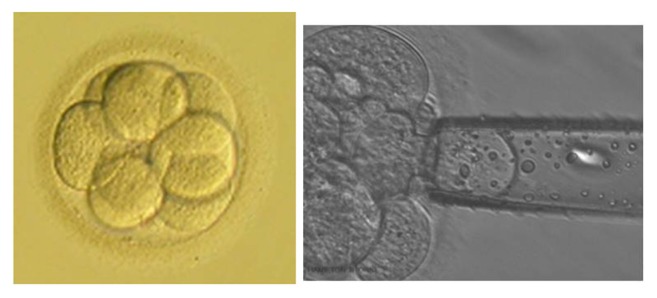
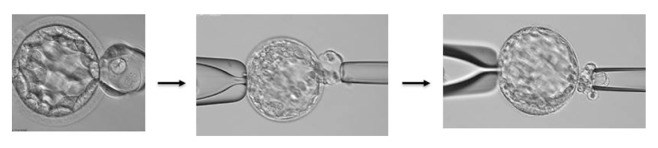
The past several decades have seen tremendous advances in the field of medical genetics. The application of genetic technologies to the field of reproductive medicine has ushered in a new era of medicine that is likely to greatly expand in the coming years. Concurrent with an in vitro fertilization (IVF) cycle, it is now possible to obtain a cellular biopsy from a developing embryo and genetically evaluate this sample with increasing sophistication and detail. Preimplantation genetic screening (PGS) is the practice of determining the presence of aneuploidy (either too many or too few chromosomes) in a developing embryo. However, how and in whom PGS should be offered is a topic of much debate.
Keywords: FISH; PGD; PGS; embryo; microarray; preimplantation genetic screening; recurrent pregnancy loss.
Figures
References
-
- Rizzo JM, Buck MJ. Key principles and clinical applications of “next-generation” DNA sequencing. Cancer Prev Res (Phila) 2012;5:887–900. - PubMed
-
- Brezina PR, Benner A, Rechitsky S, et al. Single-gene testing combined with single nucleotide polymorphism microarray preimplantation genetic diagnosis for aneuploidy: a novel approach in optimizing pregnancy outcome. Fertil Steril. 2011;95:1786. - PubMed
-
- Brezina PR, Brezina DS, Kearns WG. Preimplantation genetic testing. BMJ. 2012;345:e5908. - PubMed
LinkOut - more resources
Full Text Sources
Other Literature Sources
Miscellaneous
