. 2014 Jan;10(1):e1003883.
doi: 10.1371/journal.ppat.1003883. Epub 2014 Jan 16.

The Arabidopsis miR472-RDR6 silencing pathway modulates PAMP- and effector-triggered immunity through the post-transcriptional control of disease resistance genes

Affiliations

The Arabidopsis miR472-RDR6 silencing pathway modulates PAMP- and effector-triggered immunity through the post-transcriptional control of disease resistance genes

Martine Boccara et al. PLoS Pathog. 2014 Jan.

Erratum in

Abstract

RNA-DEPENDENT RNA POLYMERASE 6 (RDR6) is a key RNA silencing factor initially characterized in transgene silencing and virus resistance. This enzyme also contributes to the biosynthesis of endogenous short interfering RNAs (siRNAs) from non-coding RNAs, transposable elements and protein-coding transcripts. One class of protein-coding transcripts that have recently emerged as major sources of RDR6-dependent siRNAs are nucleotide-binding leucine-rich repeat (NB-LRR) proteins, a family of immune-receptors that perceive specific pathogen effector proteins and mount Effector-Triggered Immunity (ETI). Nevertheless, the dynamic post-transcriptional control of NB-LRR transcripts during the plant immune response and the functional relevance of NB-LRRs in signaling events triggered by Pathogen-Associated Molecular Patterns (PAMPs) remain elusive. Here, we show that PTI is constitutive and sensitized in the Arabidopsis rdr6 loss-of-function mutant, implicating RDR6 as a novel negative regulator of PTI. Accordingly, rdr6 mutant exhibits enhanced basal resistance towards a virulent Pseudomonas syringae strain. We further provide evidence that dozens of CC-NB-LRRs (CNLs), including the functionally characterized RPS5 gene, are post-transcriptionally controlled by RDR6 both constitutively and during PTI. These CNL transcripts are also regulated by the Arabidopsis microRNA miR472 and knock-down of this miRNA recapitulates the PTI and basal resistance phenotypes observed in the rdr6 mutant background. Furthermore, both miR472 and rdr6 mutants were more resistant to Pto DC3000 expressing AvrPphB, a bacterial effector recognized by the disease resistance protein RPS5, whereas transgenic plants overexpressing miR472 were more susceptible to this bacterial strain. Finally, we show that the enhanced basal and RPS5-mediated resistance phenotypes observed in the rdr6 mutant are dependent on the proper chaperoning of NB-LRR proteins, and might therefore be due to the enhanced accumulation of CNL proteins whose cognate mRNAs are no longer controlled by RDR6-dependent siRNAs. Altogether, this study supports a model whereby the miR472- and RDR6-mediated silencing pathway represents a key regulatory checkpoint modulating both PTI and ETI responses through the post-transcriptional control of disease resistance genes.


Conflict of interest statement

The authors have declared that no competing interests exist.

Figures
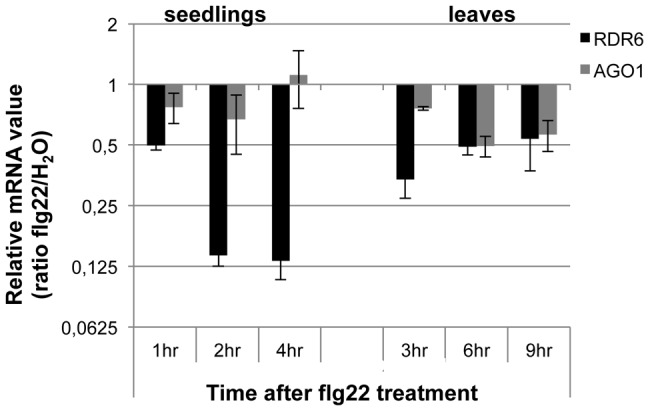
Figure 1
Figure 1. RDR6 and AGO1 mRNA levels rapidly decrease after flg22 treatment.
Seedlings were treated for 1, 2 and 4-qPCR. Expression levels are relative to three reference genes (At2g36060; At4g29130; At5g13440). The Log2 of mRNA values are normalized to that of control WT seedlings or leaves plants treated or infiltrated with water. Error bars indicate standard deviation from technical repeats. Similar results were obtained in two independent experiments.
Figure 2
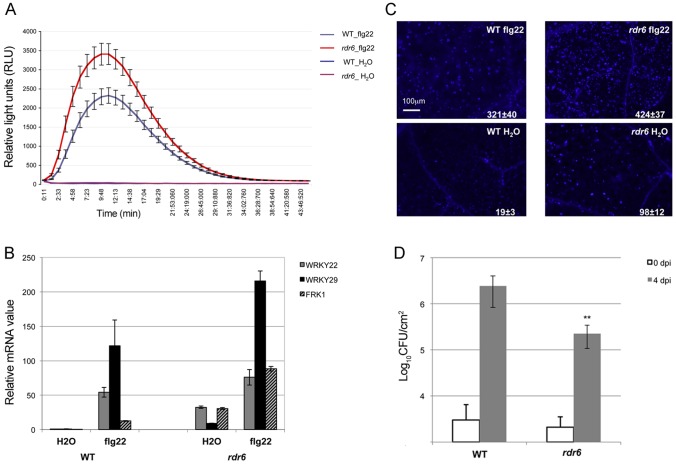
Figure 2. RDR6 negatively regulates PTI responses.
(A) H2O2-dependent luminescence upon H2O or flg22 (100 nM) treatment in WT and rdr6-15 leaf discs. (B) Expression levels of PAMP-responsive mRNAs, FRK1, WRKY22 and WRKY29 detected by RT-qPCR in leaves treated with 100 nM flg22 or water for 4 hours. (C) Callose deposition upon H2O or flg22 (100 nM) treatment in WT and rdr6-15 leaves blade at stage 7. Values are average ± se (standard error) with n = 25 to 30. (D) Bacterial growth in five- to six-week-old plants (WT or rdr6) 4 days after being sprayed (108 CFU mL−1) with Pto DC3000. Values are average ± se of four leaf discs (n = 8). Wilcoxon test was performed to determine the significant differences between rdr6 and WT plants. Asterisk “**” indicates statistically significant differences (P<0.01). Experiments were performed in two independent biological replicates with similar results.
Figure 3
Figure 3. RDR6-dependent siRNAs negatively regulate a subset of CNL transcripts both constitutively and during flg22 elicitation.
(A) The transcript levels of At1g12220 (RPS5), At1g51480 (RSG1) and At5g43730 (RSG2) were detected by RT-qPCR in untreated seedlings. Results of expression represent the ratio rdr6/WT. (B) Transcript levels of RPS5, RSG1 and RSG2 by RT-qPCR in seedling treated or not with flg22 (100 nM) at different time-points. Results represent the ratio of the values between samples treated with flg22 relative to H2O (mock) for rdr6 and WT seedlings. Expression levels are always normalized to the same internal controls At2g36060, At4g29130, and At5g13440. Error bars indicate standard deviation from technical repeats. These experiments were performed in two biological replicates with similar results.
Figure 4
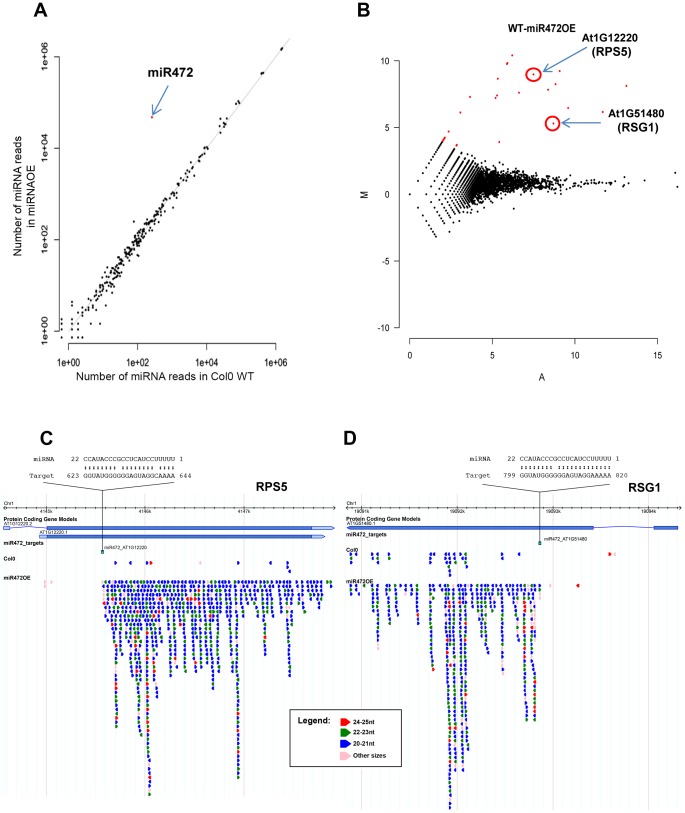
Figure 4. Overexpression of miR472 drastically enhances the accumulation of secondary siRNAs at multiple CNL transcripts.
(A) Scatter plot representation of the number of reads corresponding to miRNA stem-loop loci (miRBase release 19) in WT and miR472OE mutant sRNA libraries. The number of reads was library size normalized. The red dot corresponds to miR472. (B) MA plot representation of the results obtained after differential analysis of 20–22 nt small RNAs accumulation from genes, between WT and miR472OE mutant. The y axis represents the log ratio (log10) of the library size normalized number of reads between the 2 datasets and the x axis the average number of reads in the two libraries. Genes with a significantly higher sRNAs accumulation in miR472OE library are shown in red. (C) Example of sRNAs accumulation in WT and miR4720E libraries along 2 CNL genes, RPS5 (AT1g12220) and RSG1 (AT1G51480). Genome browser representation of sRNA reads along. Each arrow corresponds to a specific sRNA sequence with a colour code corresponding to it length as indicated in the legend. Position and alignment of miR472 recognition sites are indicated. It is remarkable that the accumulation of siRNAs is observed downstream the cleavage site of miR472.
Figure 5
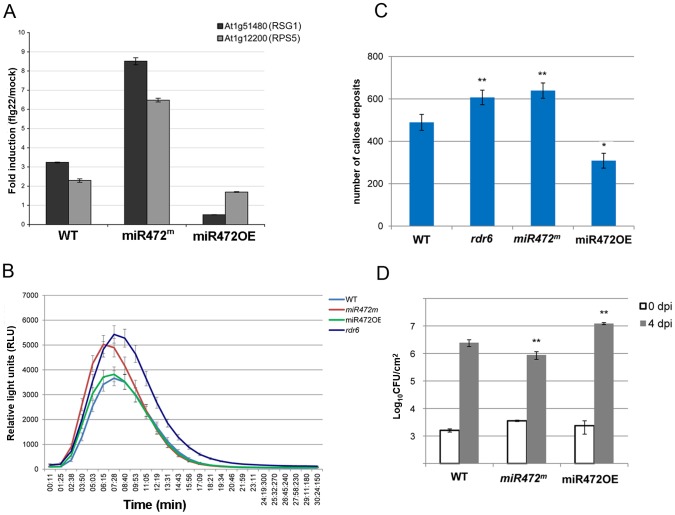
Figure 5. MiR472 negatively regulates PTI responses and resistance against virulent Pto DC3000.
(A) Expression levels of At1g12220 and At1g51480 detected by RT-qPCR in WT, miR472OE (overexpressor) and miR472m (mutant) seedling treated with either H2O or flg22 (100 nM) for 2 hours. (B) H2O2-dependent luminescence induced by flg22 (100 nM) in WT, miR472OE and miR472m leaf discs. (C) Callose deposition induced by flg22 (100 nM) in WT, miR472OE and miR472m leaves. (D) Bacterial growth in five- to six-week-old plants from WT, miR472OE and miR472m infiltrated with Pto DC3000 (2×10⁵ CFU mL−1). For C and D values are average ± se of four leaf discs (n = 8). Wilcoxon test was performed to determine the significant differences as compared to rdr6 plants. Asterisks “*” and “**” indicate statistically significant differences at a P value<0.05 and <0.01 respectively. These experiments were performed in two biological replicates with similar results.
Figure 6
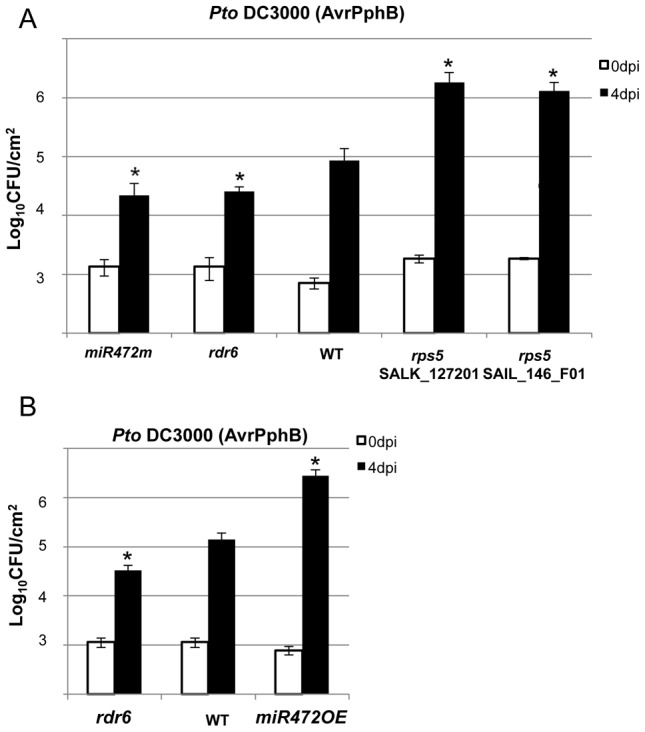
Figure 6. MiR472 m and rdr6 are more resistant to Pto DC3000 (AvrPphB).
(A) Bacterial growth in five- to six-week-old plants from WT, rdr6 and miR472m syringe-infiltrated with Pto DC3000 AvrPphB (2×10⁵ CFU mL−1). Values are average ± se of four leaf discs (n = 8). Wilcoxon test was performed to determine the significant differences as compared to WT plants. As a positive control the susceptible mutant rps5 (two independent mutant alleles SalK_127201 and SAIL_146_F01) has been used as control. Asterisk “*” indicates statistically significant differences at a P value<0.05. (B) Bacterial growth in five- to six-week-old plants from WT and miR472OE lines syringe-infiltrated with Pto DC3000 AvrPphB (2×10⁵ CFU mL−1). Values are average ± se of four leaf discs (n = 8). Wilcoxon test was performed to determine the significant differences as compared to WT plants. These experiments were performed in two biological replicates with similar results.
Figure 7
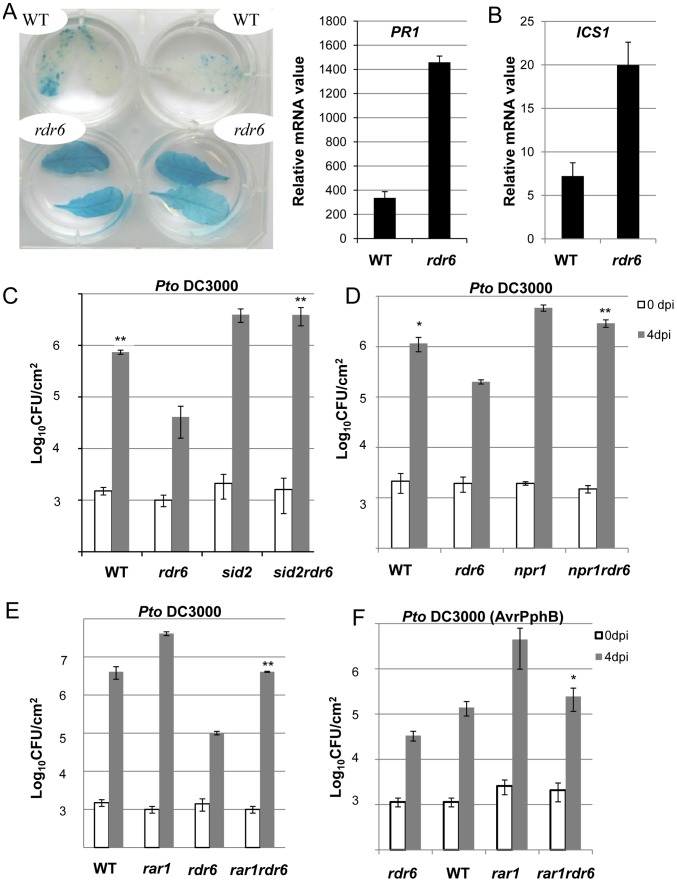
Figure 7. Enhanced basal resistance towards Pto DC3000 observed in the rdr6 mutant requires SA and proper chaperoning of NLRs.
(A) β-glucuronidase (GUS) activity in plants PR1p:GUS and rdr6 PR1p:GUS plants reporting PR1 transcriptional activity in WT and rdr6-15 mutant, respectively. (B) The transcript level of PR1 and ICS1 were detected by RT-qPCR. Error bars indicate standard deviation from technical repeats. Expression levels are normalized to the same internal controls At2g36060, At4g29130, and At5g13440. (C) Bacterial growth in five- to six-week-old plants from WT, single rdr6-15 and sid2-2 mutants or double rdr6-sid2 mutant infiltrated with Pto DC3000 (2×10⁵ CFU mL−1). (D) Bacterial growth in five- to six-week-old plants from WT, simple rdr6-15 and npr1-1 mutants or double rdr6-npr1 mutant infiltrated with Pto DC3000 (2×10⁵ CFU mL−1). (E) Bacterial growth in five- to six-week-old plants from WT, single (rdr6-15, rar1-21) or double mutant (rdr6-rar1) infiltrated with Pto DC3000 (2×10⁵ CFU mL1). F) Bacterial growth in five- to six-week-old plants from WT, single (rdr6-15, rar1-21) or double mutant (rdr6-rar1) infiltrated with Pto DC3000 (AvrPphB) (2 105 CFU mL1). For C, D, E and F values are average ± se of four leaf discs (n = 8). Wilcoxon test was performed to determine the significant differences between rdr6 and double mutant plants. Asterisks “**” and “*” indicate statistically significant differences at a P value<0.01 and <0.05 respectively. Experiments were performed in two independent biological replicates with similar results.
Figure 8
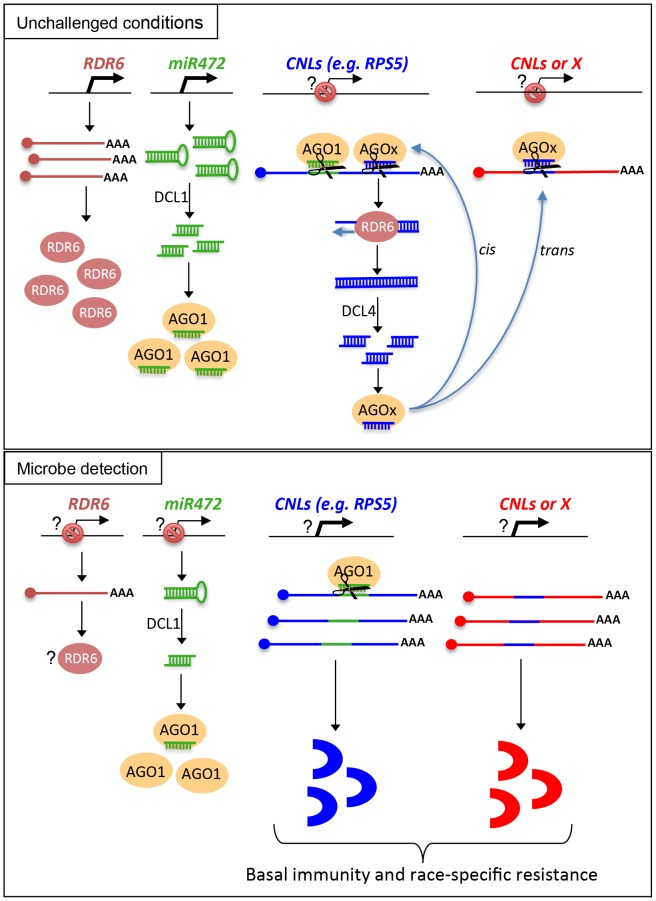
Figure 8. Schematic representation illustrating the relationship between miR472/RDR6 through CNL regulation during Arabidopsis immunity.

References

    1. Dangl JL, Jones JD (2001) Plant pathogens and integrated defense responses to infection. Nature 411: 826–833. - PubMed
    1. Navarro L, Zipfel C, Rowland O, Keller I, Robatzek S, et al. (2004) The transcriptional innate immune response to flg22. Interplay and overlap with Avr gene-dependent defense responses and bacterial pathogenesis. Plant Physiol 135: 1113–1128. - PMC - PubMed
    1. Zipfel C, Robatzek S, Navarro L, Oakeley EJ, Jones JD, et al. (2004) Bacterial disease resistance in Arabidopsis through flagellin perception. Nature 428: 764–767. - PubMed
    1. Melotto M, Underwood W, Koczan J, Nomura K, He SY (2006) Plant stomata function in innate immunity against bacterial invasion. Cell 126: 969–980. - PubMed
    1. Schwessinger B, Zipfel C (2008) News from the frontline: recent insights into PAMP-triggered immunity in plants. Curr Opin Plant Biol 11: 389–395. - PubMed

Publication types

MeSH terms