


TREM-1 deficiency can attenuate disease severity without affecting pathogen clearance
- PMID: 24453980
- PMCID: PMC3894224
- DOI: 10.1371/journal.ppat.1003900
TREM-1 deficiency can attenuate disease severity without affecting pathogen clearance
Abstract
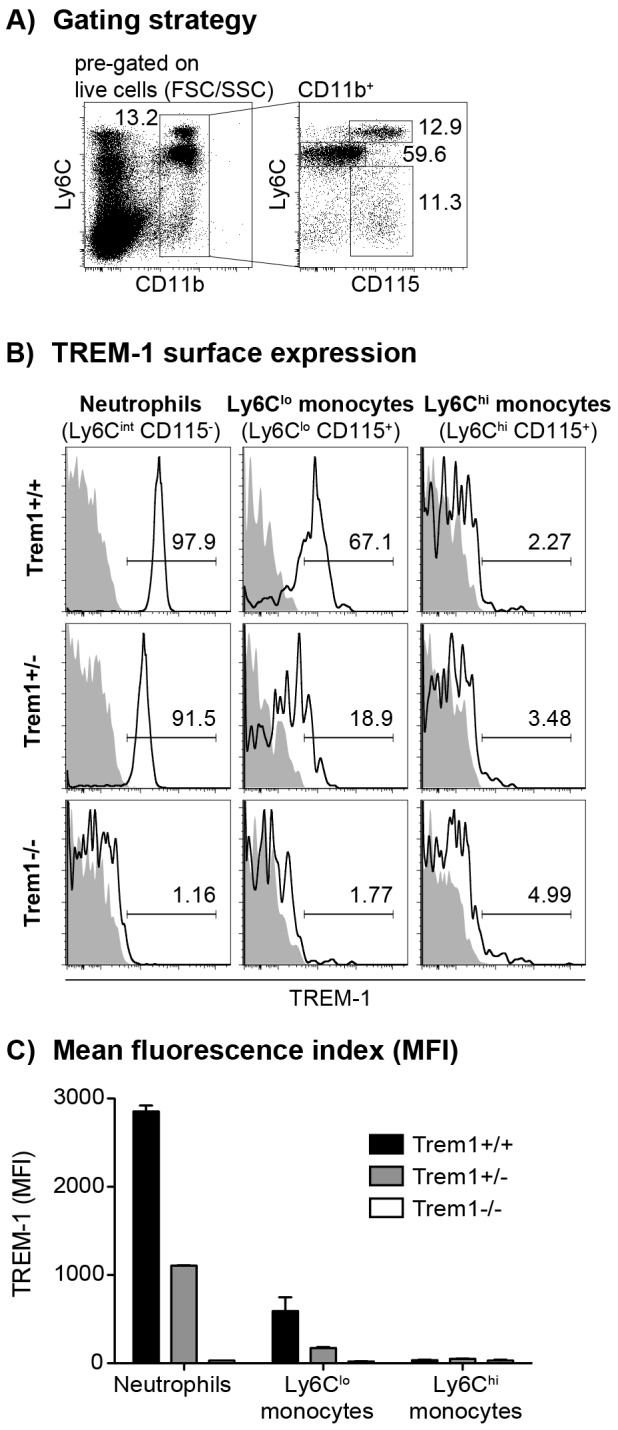
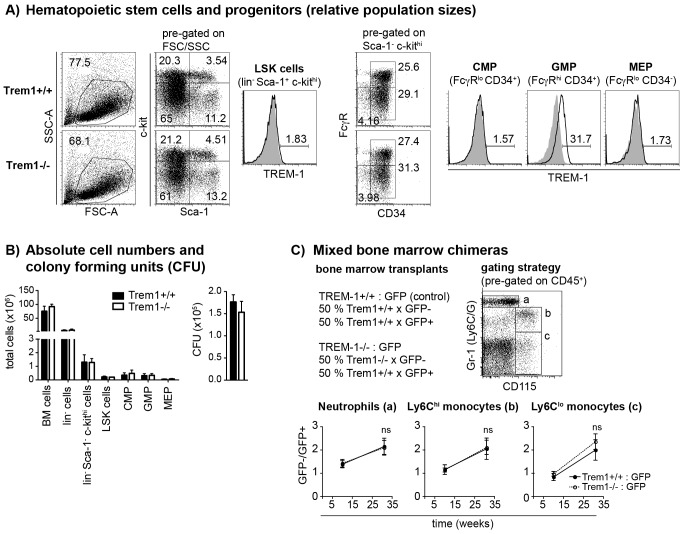
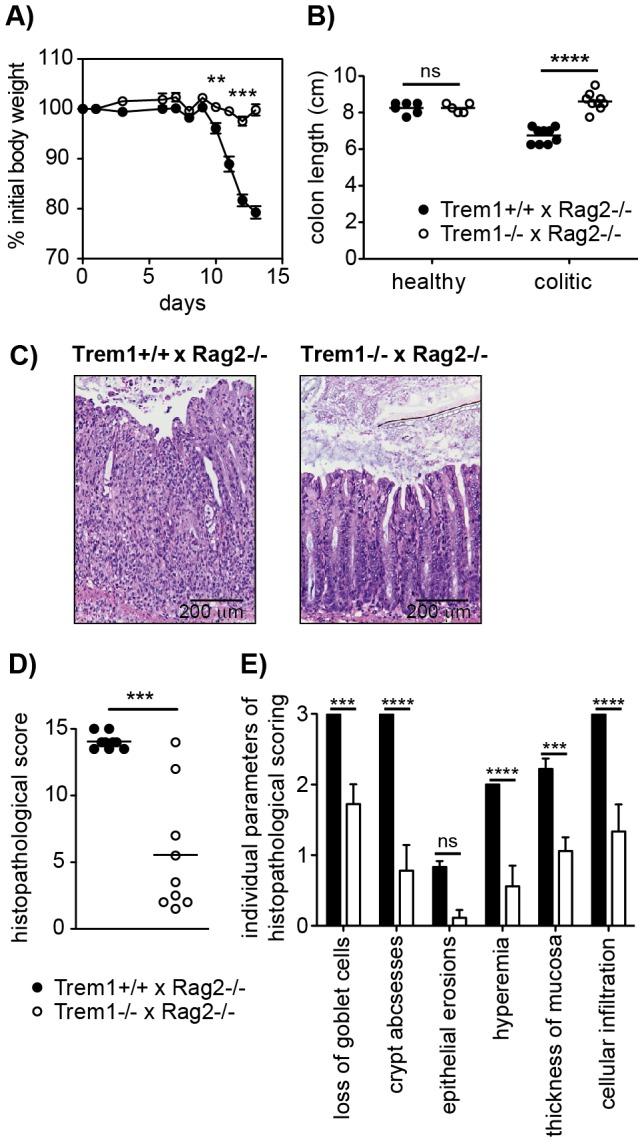
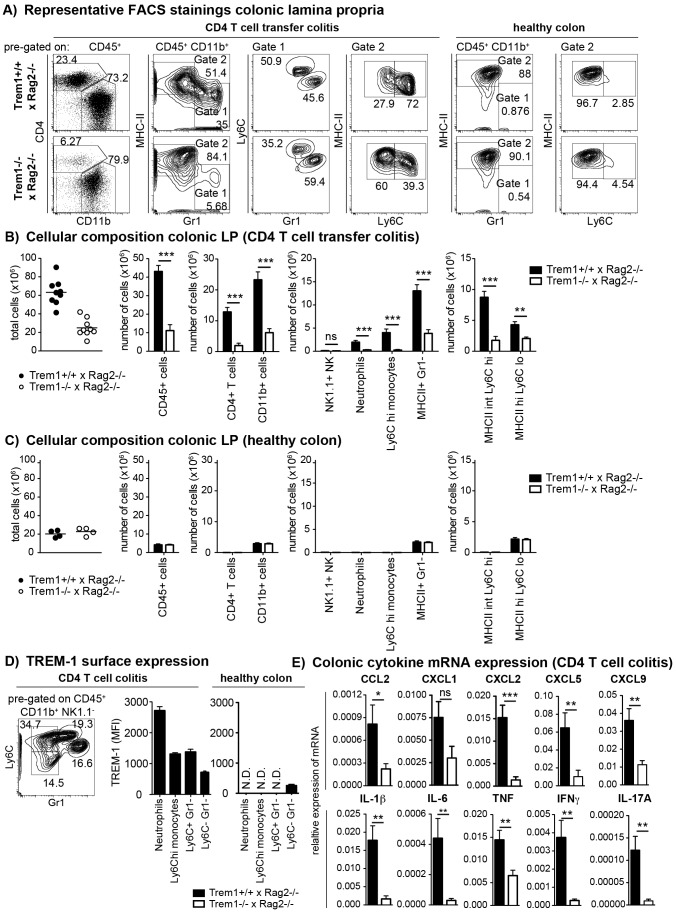
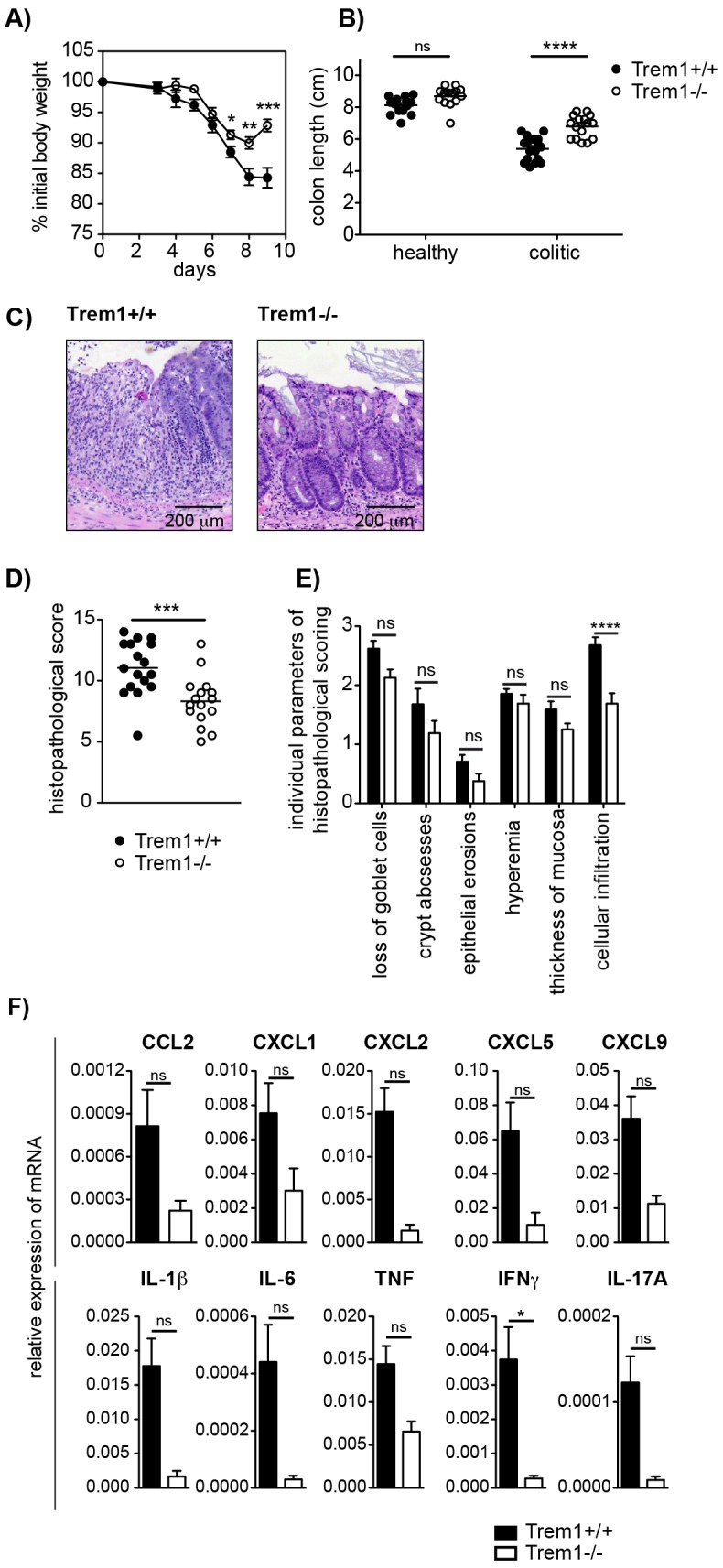
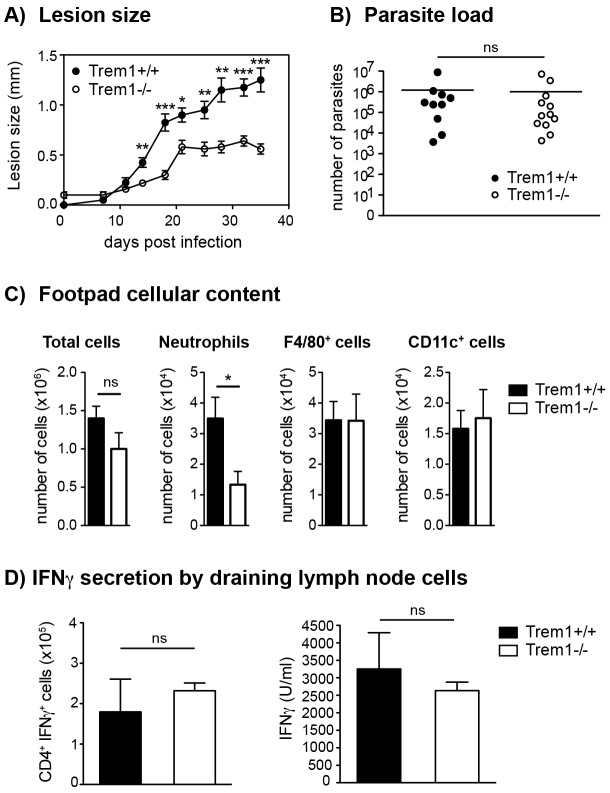
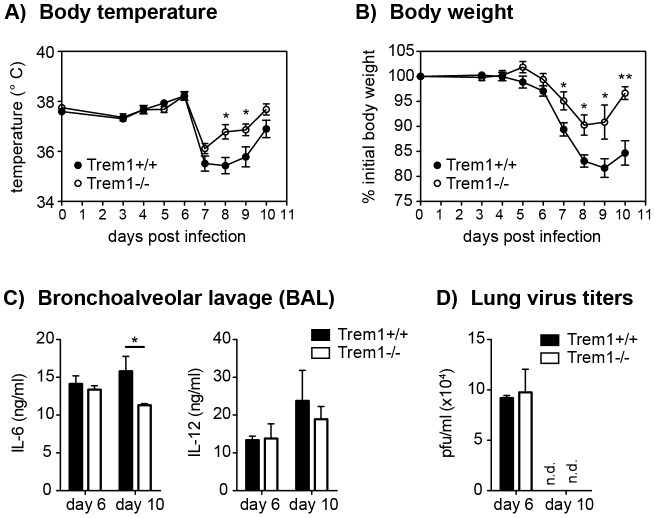
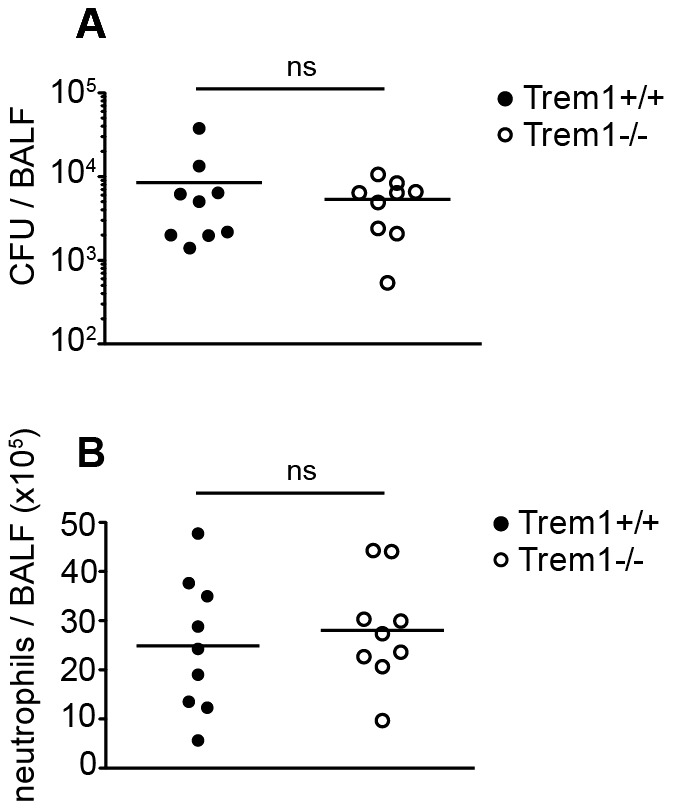
Triggering receptor expressed on myeloid cells-1 (TREM-1) is a potent amplifier of pro-inflammatory innate immune reactions. While TREM-1-amplified responses likely aid an improved detection and elimination of pathogens, excessive production of cytokines and oxygen radicals can also severely harm the host. Studies addressing the pathogenic role of TREM-1 during endotoxin-induced shock or microbial sepsis have so far mostly relied on the administration of TREM-1 fusion proteins or peptides representing part of the extracellular domain of TREM-1. However, binding of these agents to the yet unidentified TREM-1 ligand could also impact signaling through alternative receptors. More importantly, controversial results have been obtained regarding the requirement of TREM-1 for microbial control. To unambiguously investigate the role of TREM-1 in homeostasis and disease, we have generated mice deficient in Trem1. Trem1(-/-) mice are viable, fertile and show no altered hematopoietic compartment. In CD4(+) T cell- and dextran sodium sulfate-induced models of colitis, Trem1(-/-) mice displayed significantly attenuated disease that was associated with reduced inflammatory infiltrates and diminished expression of pro-inflammatory cytokines. Trem1(-/-) mice also exhibited reduced neutrophilic infiltration and decreased lesion size upon infection with Leishmania major. Furthermore, reduced morbidity was observed for influenza virus-infected Trem1(-/-) mice. Importantly, while immune-associated pathologies were significantly reduced, Trem1(-/-) mice were equally capable of controlling infections with L. major, influenza virus, but also Legionella pneumophila as Trem1(+/+) controls. Our results not only demonstrate an unanticipated pathogenic impact of TREM-1 during a viral and parasitic infection, but also indicate that therapeutic blocking of TREM-1 in distinct inflammatory disorders holds considerable promise by blunting excessive inflammation while preserving the capacity for microbial control.
Conflict of interest statement
The authors have declared that no competing interests exist.
Figures
References
-
- Allcock RJ, Barrow AD, Forbes S, Beck S, Trowsdale J (2003) The human TREM gene cluster at 6p21.1 encodes both activating and inhibitory single IgV domain receptors and includes NKp44. Eur J Immunol 33: 567–577. - PubMed
-
- Klesney-Tait J, Turnbull IR, Colonna M (2006) The TREM receptor family and signal integration. Nat Immunol 7: 1266–1273. - PubMed
-
- Bouchon A, Dietrich J, Colonna M (2000) Cutting edge: inflammatory responses can be triggered by TREM-1, a novel receptor expressed on neutrophils and monocytes. J Immunol 164: 4991–4995. - PubMed
-
- Arts RJ, Joosten LA, van der Meer JW, Netea MG (2013) TREM-1: intracellular signaling pathways and interaction with pattern recognition receptors. J Leukoc Biol 93: 209–15. - PubMed
Publication types
MeSH terms
Substances
LinkOut - more resources
Full Text Sources
Other Literature Sources
Medical
Molecular Biology Databases
Research Materials
