. 2014 Feb;9(2):421-38.
doi: 10.1038/nprot.2014.018. Epub 2014 Jan 23.

Comprehensive measurement of respiratory activity in permeabilized cells using extracellular flux analysis

Affiliations

Comprehensive measurement of respiratory activity in permeabilized cells using extracellular flux analysis

Joshua K Salabei et al. Nat Protoc. 2014 Feb.

Abstract

Extracellular flux (XF) analysis has become a mainstream method for measuring mitochondrial function in cells and tissues. Although this technique is commonly used to measure bioenergetics in intact cells, we outline here a detailed XF protocol for measuring respiration in permeabilized cells. Cells are permeabilized using saponin (SAP), digitonin (DIG) or recombinant perfringolysin O (rPFO) (XF-plasma membrane permeabilizer (PMP) reagent), and they are provided with specific substrates to measure complex I- or complex II-mediated respiratory activity, complex III+IV respiratory activity or complex IV activity. Medium- and long-chain acylcarnitines or glutamine may also be provided for measuring fatty acid (FA) oxidation or glutamine oxidation, respectively. This protocol uses a minimal number of cells compared with other protocols and does not require isolation of mitochondria. The results are highly reproducible, and mitochondria remain well coupled. Collectively, this protocol provides comprehensive and detailed information regarding mitochondrial activity and efficiency, and, after preparative steps, it takes 6-8 h to complete.


Conflict of interest statement

COMPETING FINANCIAL INTERESTS

The authors declare that they have no competing financial interests.

Figures
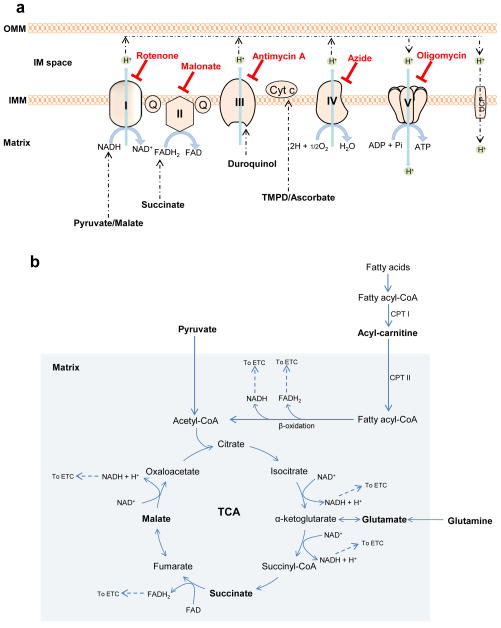
Figure 1
Figure 1. Key steps in mitochondrial metabolism and oxidative phosphorylation
In this protocol, specific complexes and respiratory activities can be interrogated using endogenous and synthetic substrates. (a) Oxidation of pyruvate in the tricarboxylic acid (TCA) cycle in the mitochondrial matrix promotes the reduction of NAD+ to NADH. Electrons from NADH enter complex I and are transferred through CoQ to complexes III and IV. Oxidation of succinate to fumarate causes reduction of FAD to FADH2, the electrons of which enter the electron transport chain (ETC) and are transferred to complexes III and IV. Fatty acids delivered to the mitochondrial matrix through the actions of carnitine palmitoyl transferase I (CPT I) and CPT II enter into β-oxidation and also generate NADH and FADH2. Duroquinol, a synthetic substrate, donates electrons to complex III. TMPD, in the presence of ascorbate, can donate electrons to cytochrome c to reduce complex IV, which then reduces oxygen to water. The overall proton gradient across the inner mitochondrial membrane (IMM) created by these redox reactions drives the phosphorylation of ADP to ATP by the ATP synthase. The complex-specific inhibitors shown in red are used to dissect the contribution of individual complexes or to measure mitochondrial coupling; OMM, outer mitochondrial membrane; UCP, uncoupling protein. (b) Plasma membrane permeabilization allows for controlled delivery of endogenous substrates (such as pyruvate, succinate, acylcarnitines and glutamine) into mitochondria. Oxidation of these substrates produces reducing equivalents, NADH and FADH2, which enter the ETC through complexes I and II, respectively. Shown in bold are those substrates and reagents that are used with this permeabilization protocol.
Figure 2
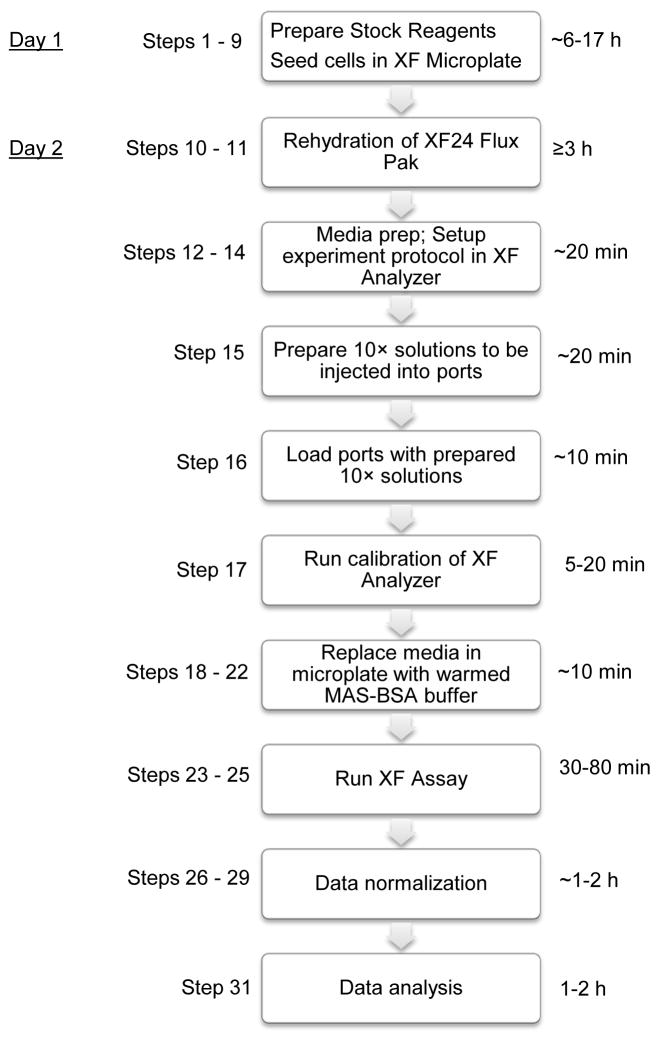
Figure 2. Experimental procedure flowchart
General steps in the XF permeabilized assay protocol. Timing of steps may be modified as required.
Figure 3
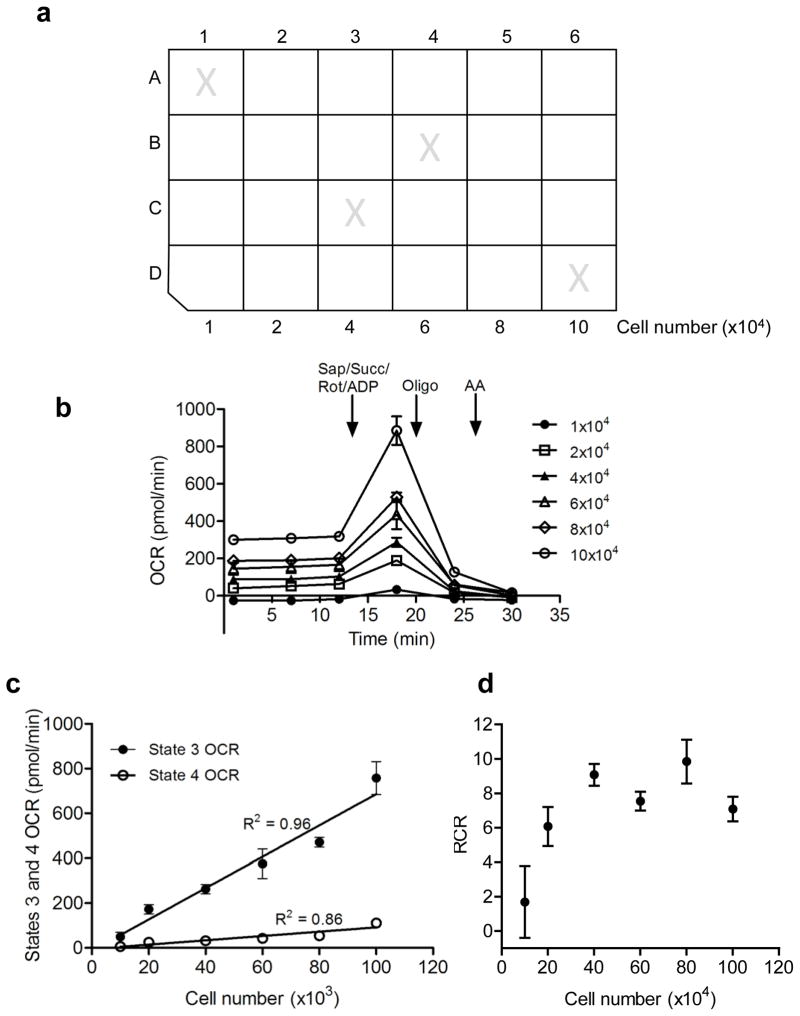
Figure 3. Cell density optimization
Optimizing cell seeding density is an important step prior to functional analyses of mitochondria in permeabilized cells. (a) Microplate layout for seeding density optimization. Cells are seeded in 100 μl final volume. Wells marked with an “X” are background (temperature) control wells and should remain unseeded. (b) Oxygen consumption rate (OCR) traces of permeabilized cells seeded at different densities. Here, succinate (Succ; 10 mM), rotenone (Rot; 1 μM), ADP (1 mM), and saponin (Sap; 25 μg/ml) were co-injected in port A. Oligomycin (Oligo; 1 μg/ml) was injected in port B, and antimycin A (10 μM) was injected in port C. Cell seeding densities that provide basal rates of 150–200 pmol O2/min and maximal rates of 200–600 pmol O2/min are often desirable. Rates below 100 pmol O2/min or above 800 pmol O2/min could require modifications in the measure times of the XF analyzer protocol. (c, d) Effects of seeding density on state 3 and 4 respiration and RCR, respectively. In general, seeding densities that provide state 3 and 4 OCRs in the linear range and maximal RCRs should be used. In this example, 40–50K cells per well would be considered optimal.
Figure 4
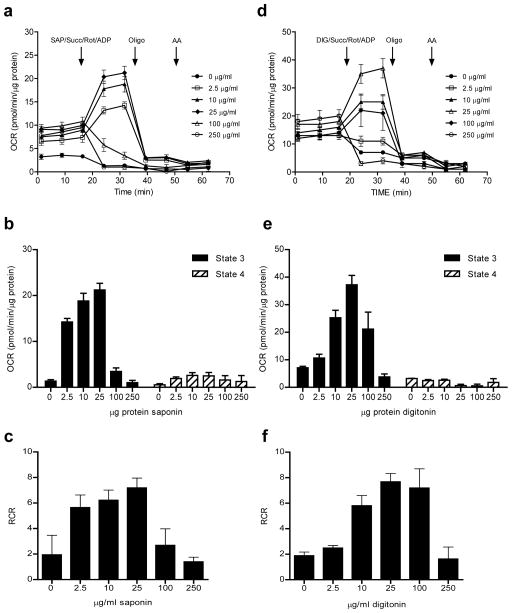
Figure 4. Permeabilization of plasma membrane permits controlled delivery of substrates into mitochondria
XF traces of OCR in detergent-permeabilized cells: (a, d) Concentration-dependent effects of saponin (SAP) and digitonin (DIG), respectively, co-injected with ADP and succinate+rotenone to stimulate state 3 respiration. (b) Quantification of state 3 and 4° OCRs from (a). (c) RCR values calculated from (a). (e) Quantification of state 3 and 4° OCRs from (d). (f) RCR values calculated from (d). Concentrations of permeabilizer that demonstrate maximal state 3 respiration and the highest RCR values are typically chosen for use. In this example, 25 μg/ml saponin or digitonin would be considered optimal.
Figure 5
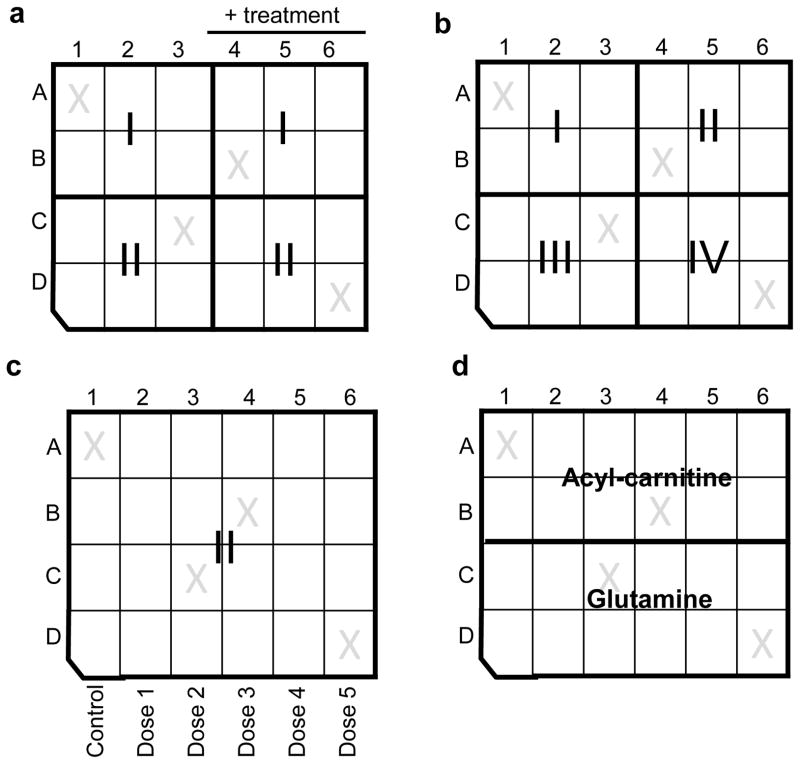
Figure 5. XF24 plate design and some experimental layouts for permeabilized cell assays
Examples of experimental matrices: (a) Experimental matrix for complex I (I; e.g, pyruvate+malate) and complex II (II; succinate)-mediated respiration in cells ± treatment. Different cell (pheno)types may also be examined using a similar matrix. (b) Measurement of respiration in permeabilized cells provided with pyruvate/malate (I), succinate (II), duroquinol (III), or TMPD/ascorbate (IV), which will collectively give a measure of the integrity of Complexes I–IV of the respiratory chain. (c) Matrix for measuring the concentration-dependent effects of a compound or treatment on complex II-mediated respiration. Similarly, this experimental design may be used for measuring the concentration-dependent effects of a compound or treatment on other indices of mitochondrial activity (e.g., Complex I-mediated respiration, Complex IV activity, glutamine oxidation, etc.). (d) Matrix for measuring fatty acid oxidation and glutamine oxidation in a single cell plate.
Figure 6
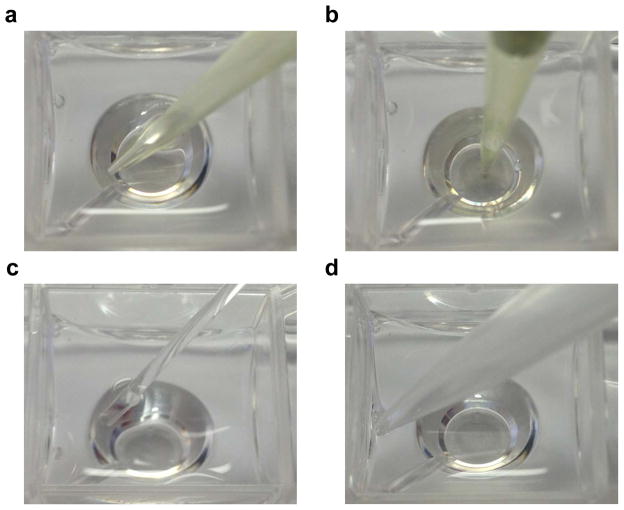
Figure 6. Pipette orientation and placement during cell seeding, media addition, and media aspiration
Cell seeding should be done with pipette tip placed on the corner of the well (a) and not directly in the center of the well (b). For media aspiration (c) or addition (d), pipette tip should be placed as indicated.
Figure 7
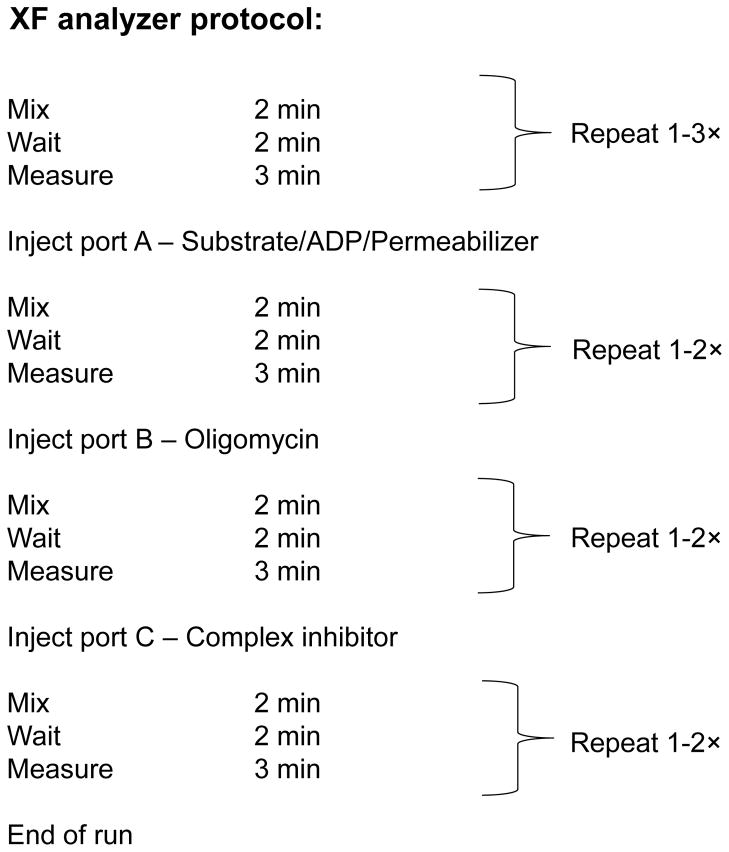
Figure 7. Example of a permeabilized cell assay protocol using an XF 24 analyzer
“Mix” and “wait” periods can be changed as desired. However, it is advisable to keep the “measure” periods to 2–3 min. Two min is typically the minimum time required to generate a rate.
Figure 8
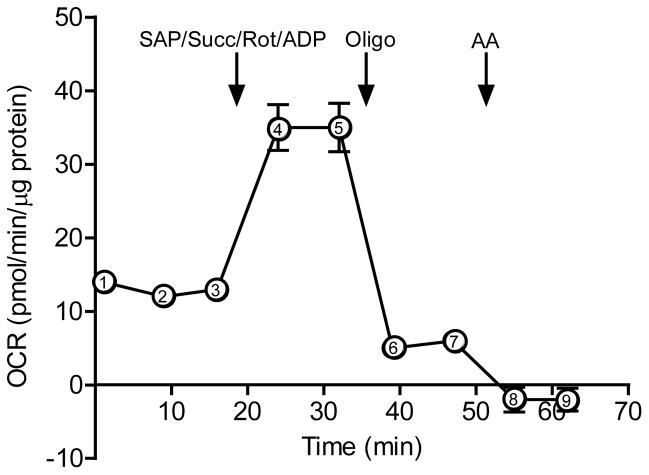
Figure 8. Indices of mitochondrial function
A typical XF analyzer trace of a permeabilized cell assay. Here Rates 1–9 are shown; these can be used to calculate State 3 and 4 OCR and RCR as described in Step 31 of the Procedure. After baseline measurements are recorded, a SAP/Succinate/Rot/ADP mixture is injected into the wells to induce state 3 respiration. After two state 3 measurement recordings, oligomycin is injected to induce state 4 respiration. Antimycin A, which inhibits mitochondrial respiration, is subsequently injected.
Figure 9
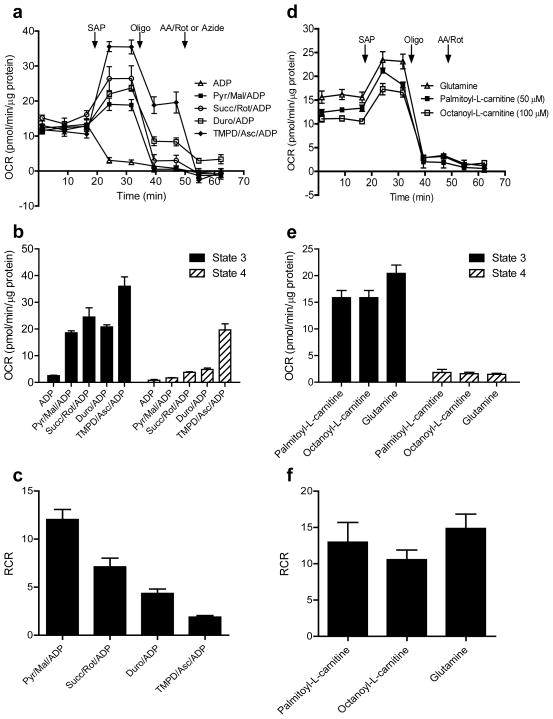
Figure 9. Anticipated changes in respiration with provision of diverse respiratory substrates in the XF24 permeabilized cell assay
OCR traces and indices of mitochondrial respiration: (a) Comprehensive assessment of the respiratory chain: after 3 baseline measurements, saponin (SAP; 25 μg/ml) was co-injected with ADP and the Complex I–IV substrates: pyruvate+malate (pyr/mal); succinate+rotenone (Succ/Rot); duroquinol (Duro); or TMPD+ascorbate (TMPD/Asc). (b) Quantification of state 3 and 4° OCRs from (a). (c) RCR values calculated from (a). (d) Fatty acid and glutamine-supported respiration in permeabilized cells: after 3 baseline measurements, SAP (25 μg/ml) was co-injected with ADP and glutamine, palmitoyl-L-carnitine, or octanoyl-L-carnitine. Note that port A also contains malate (5 mM; final concentration after injection is 0.5 mM). (e) Quantification of state 3 and 4 OCRs from (d). (f) RCR values calculated from (d). Collectively, these measurements provide insights into how mitochondria in permeabilized cells respond to substrates specific for Complex I- and Complex II-mediated respiration as well as Complex III+IV and Complex IV activities (panels a–c). In addition, glutamine and fatty acid oxidation may also be measured using this assay (panels d–f).
Figure 10
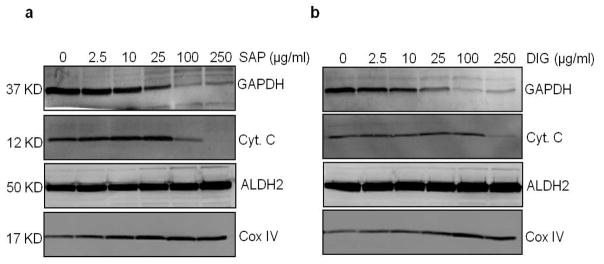
Figure 10. Assessment of mitochondrial damage by cytochrome c release from mitochondria
Western blots of glyceraldehyde-3-phosphate dehydrogenase (GAPDH; cytosolic protein), cytochrome c (cyt c; intermembrane space protein involved in electron transfer), aldehyde dehydrogenase 2 (ALDH2; matrix protein), and cytochrome oxidase (COXIV subunit; inner mitochondrial membrane protein) in cells permeabilized with 0–250 μg/ml SAP (a) or DIG (b). Amount of protein loaded for Western blotting are as follows: 5 μg protein for Cox IV; and 20 μg protein for cyt c, GAPDH, and ALDH2. This test may be used to help further determine the optimal concentration of permeabilizing agent or to choose between permeabilizers. A concentration or permeabilizer that results in loss of cytosolic proteins and solutes but does not result in release of cyto c is typically optimal for use in XF24/96 permeabilized cell assays. Here, a 25 μg/ml concentration of saponin or digitonin resulted in release of cytosol-localized GAPDH but did not cause loss of cyto c.

References

    1. Chance B, Williams GR. Respiratory enzymes in oxidative phosphorylation. II. Difference spectra. J Biol Chem. 1955;217:395–407. - PubMed
    1. Chance B, Williams GR. Respiratory enzymes in oxidative phosphorylation. VI. The effects of adenosine diphosphate on azide-treated mitochondria. J Biol Chem. 1956;221:477–489. - PubMed
    1. Schneider WC. Intracellular distribution of enzymes; the oxidation of octanoic acid by rat liver fractions. J Biol Chem. 1948;176:259–266. - PubMed
    1. Lardy HA, Wellman H. Oxidative phosphorylations; role of inorganic phosphate and acceptor systems in control of metabolic rates. J Biol Chem. 1952;195:215–224. - PubMed
    1. Mitchell P. Coupling of phosphorylation to electron and hydrogen transfer by a chemi-osmotic type of mechanism. Nature. 1961;191:144–148. - PubMed

Publication types