


Chorioamnionitis-induced fetal gut injury is mediated by direct gut exposure of inflammatory mediators or by lung inflammation
- PMID: 24458021
- PMCID: PMC3949018
- DOI: 10.1152/ajpgi.00260.2013
Chorioamnionitis-induced fetal gut injury is mediated by direct gut exposure of inflammatory mediators or by lung inflammation
Abstract
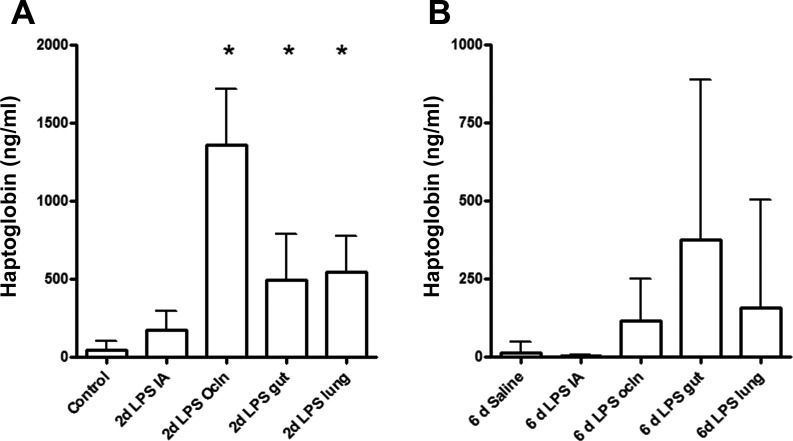
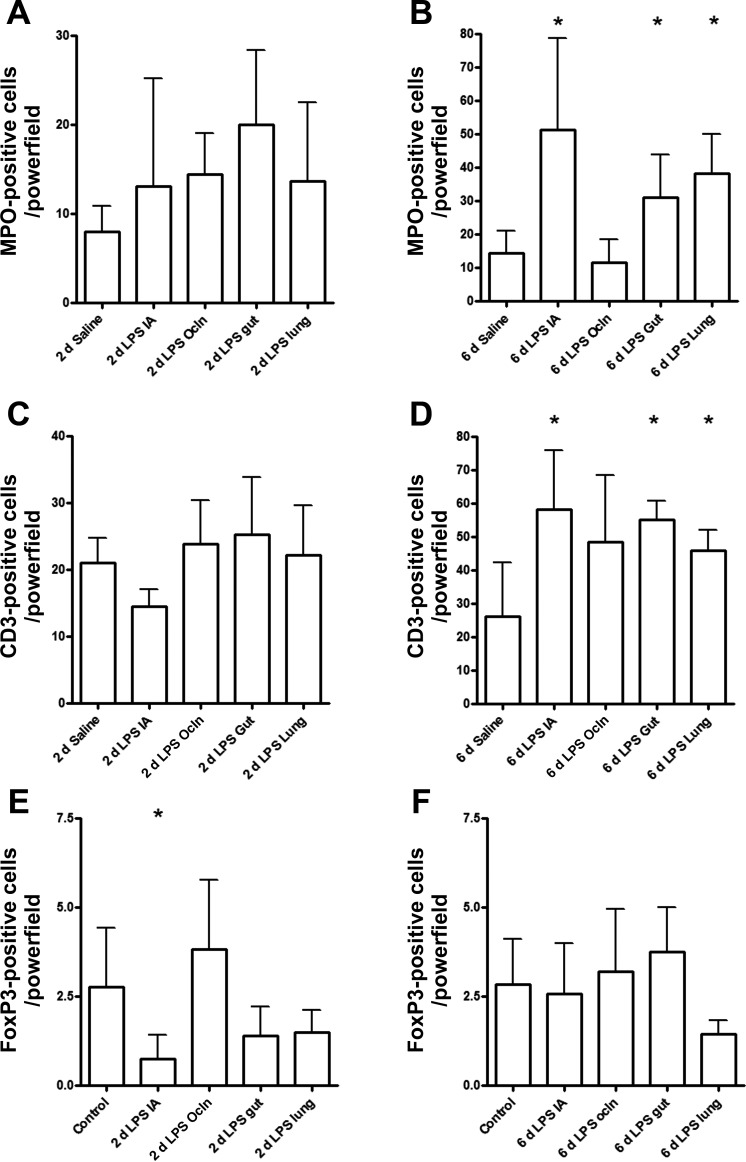
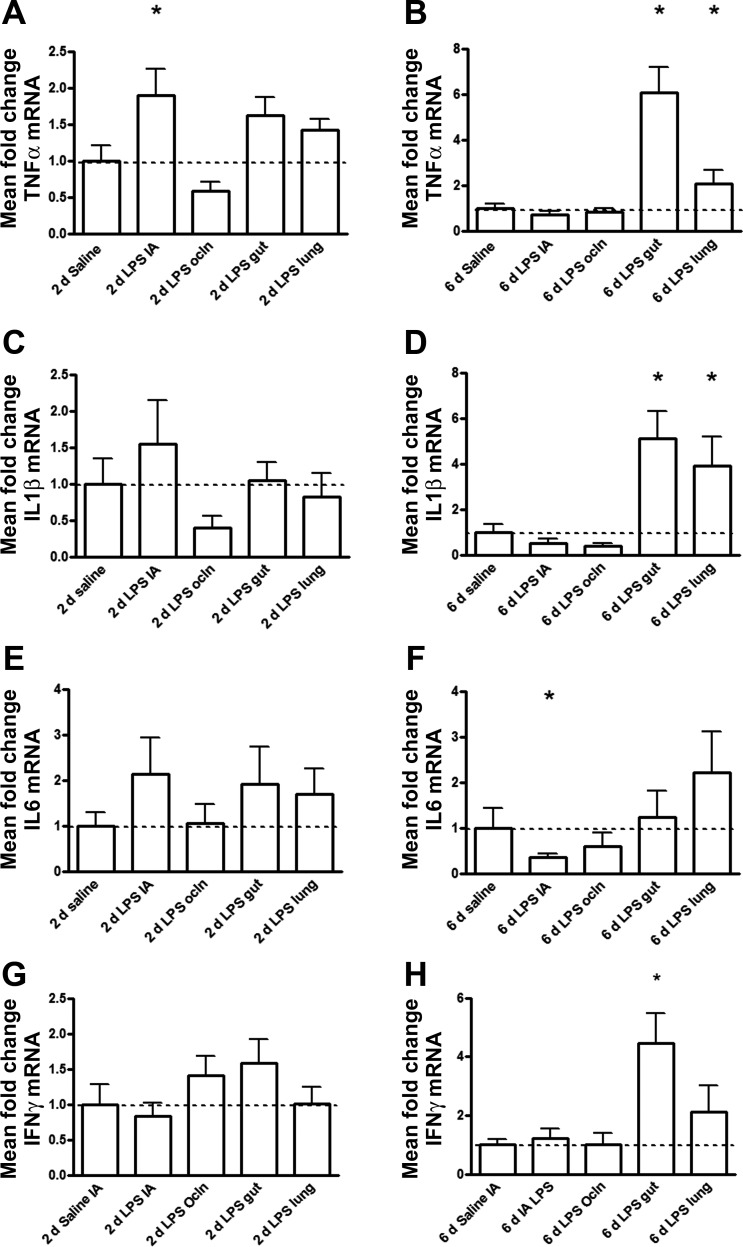
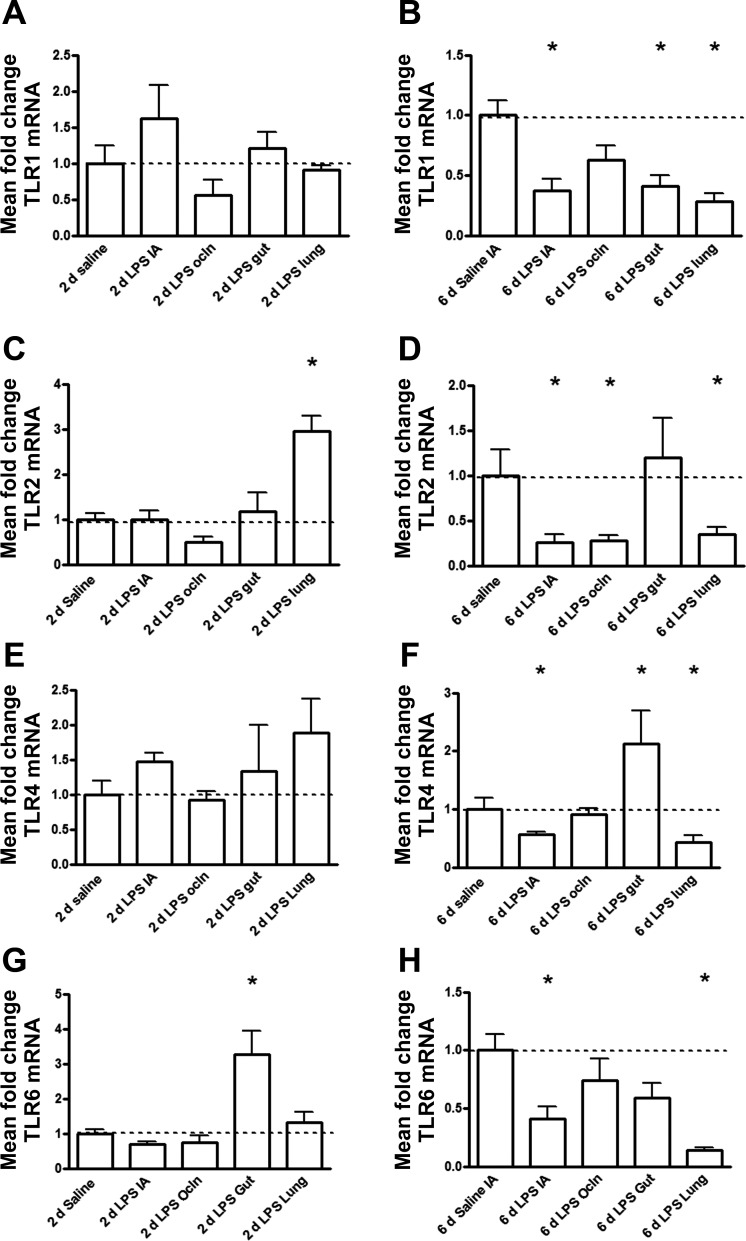
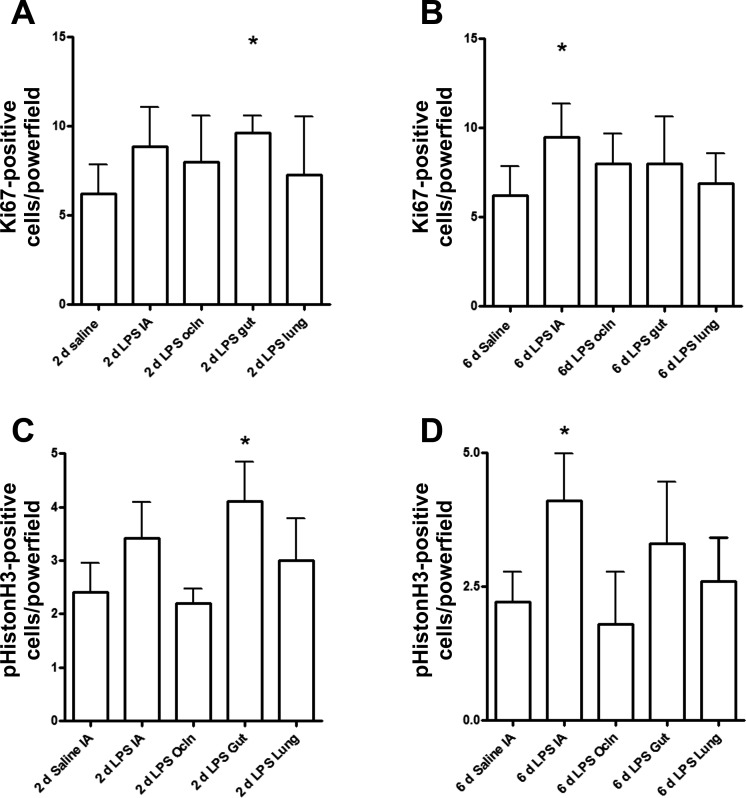
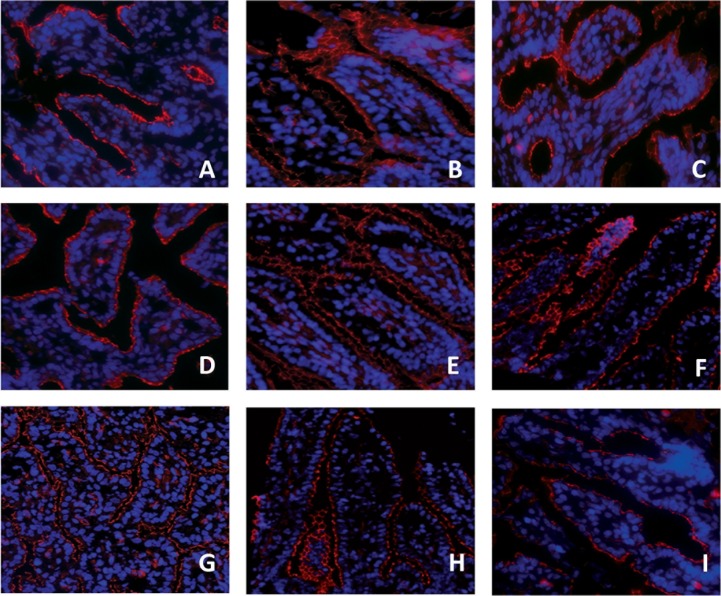
Intra-amniotic exposure to proinflammatory agonists causes chorioamnionitis and fetal gut inflammation. Fetal gut inflammation is associated with mucosal injury and impaired gut development. We tested whether this detrimental inflammatory response of the fetal gut results from a direct local (gut derived) or an indirect inflammatory response mediated by the chorioamnion/skin or lung, since these organs are also in direct contact with the amniotic fluid. The gastrointestinal tract was isolated from the respiratory tract and the amnion/skin epithelia by fetal surgery in time-mated ewes. Lipopolysaccharide (LPS) or saline (controls) was selectively infused in the gastrointestinal tract, trachea, or amniotic compartment at 2 or 6 days before preterm delivery at 124 days gestation (term 150 days). Gastrointestinal and intratracheal LPS exposure caused distinct inflammatory responses in the fetal gut. Inflammatory responses could be distinguished by the influx of leukocytes (MPO(+), CD3(+), and FoxP3(+) cells), tumor necrosis factor-α, and interferon-γ expression and differential upregulation of mRNA levels for Toll-like receptor 1, 2, 4, and 6. Fetal gut inflammation after direct intestinal LPS exposure resulted in severe loss of the tight junctional protein zonula occludens protein 1 (ZO-1) and increased mitosis of intestinal epithelial cells. Inflammation of the fetal gut after selective LPS instillation in the lungs caused only mild disruption of ZO-1, loss in epithelial cell integrity, and impaired epithelial differentiation. LPS exposure of the amnion/skin epithelia did not result in gut inflammation or morphological, structural, and functional changes. Our results indicate that the detrimental consequences of chorioamnionitis on fetal gut development are the combined result of local gut and lung-mediated inflammatory responses.
Keywords: endotoxin; fetal inflammatory response; necrotizing enterocolitis; sheep.
Figures
References
-
- Adams-Chapman I. Long-term impact of infection on the preterm neonate. Semin Perinatol 36: 462–470, 2012 - PubMed
-
- Alam M, Midtvedt T, Uribe A. Differential cell kinetics in the ileum and colon of germfree rats. Scand J Gastroenterol 29: 445–451, 1994 - PubMed
-
- Andrews WW, Goldenberg RL, Faye-Petersen O, Cliver S, Goepfert AR, Hauth JC. The Alabama Preterm Birth study: polymorphonuclear and mononuclear cell placental infiltrations, other markers of inflammation, and outcomes in 23- to 32-week preterm newborn infants. Am J Obstet Gynecol 195: 803–808, 2006 - PubMed
-
- Been JV, Lievense S, Zimmermann LJ, Kramer BW, Wolfs TG. Chorioamnionitis as a risk factor for necrotizing enterocolitis: a systematic review and meta-analysis. J Pediatr 162: 236–242, 2013 - PubMed
Publication types
MeSH terms
Substances
Grants and funding
LinkOut - more resources
Full Text Sources
Other Literature Sources
Medical
Research Materials
Miscellaneous
