


Human infection with avian influenza A H6N1 virus: an epidemiological analysis
- PMID: 24461756
- PMCID: PMC7164810
- DOI: 10.1016/S2213-2600(13)70221-2
Human infection with avian influenza A H6N1 virus: an epidemiological analysis
Abstract
Background: Avian influenza A H6N1 virus is one of the most common viruses isolated from wild and domestic avian species, but human infection with this virus has not been previously reported. We report the clinical presentation, contact, and environmental investigations of a patient infected with this virus, and assess the origin and genetic characteristics of the isolated virus.
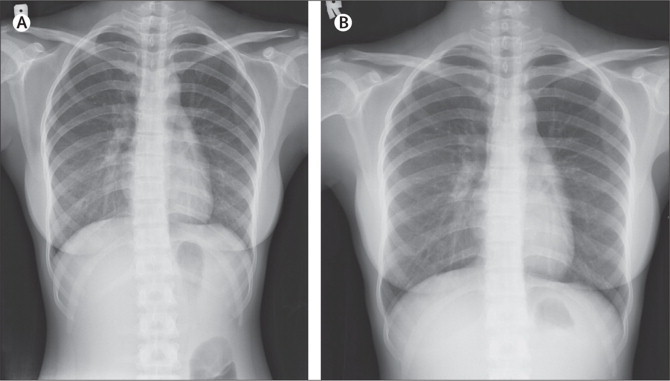
Methods: A 20-year-old woman with an influenza-like illness presented to a hospital with shortness of breath in May, 2013. An unsubtyped influenza A virus was isolated from her throat-swab specimen and was transferred to the Taiwan Centres for Disease Control (CDC) for identification. The medical records were reviewed to assess the clinical presentation. We did a contact and environmental investigation and collected clinical specimens from the case and symptomatic contacts to test for influenza virus. The genomic sequences of the isolated virus were determined and characterised.
Findings: The unsubtyped influenza A virus was identified as the H6N1 subtype, based on sequences of the genes encoding haemagglutinin and neuraminidase. The source of infection was not established. Sequence analyses showed that this human isolate was highly homologous to chicken H6N1 viruses in Taiwan and had been generated through interclade reassortment. Notably, the virus had a G228S substitution in the haemagglutinin protein that might increase its affinity for the human α2-6 linked sialic acid receptor.
Interpretation: This is the first report of human infection with a wild avian influenza A H6N1 virus. A unique clade of H6N1 viruses with a G228S substitution of haemagglutinin have circulated persistently in poultry in Taiwan. These viruses continue to evolve and accumulate changes, increasing the potential risk of human-to-human transmission. Our report highlights the continuous need for preparedness for a pandemic of unpredictable and complex avian influenza.
Funding: Taiwan Centres for Disease Control.
Copyright © 2013 Elsevier Ltd. All rights reserved.
Figures



Comment in
-
The expanding list of zoonotic influenza viruses.Lancet Respir Med. 2013 Dec;1(10):756-7. doi: 10.1016/S2213-2600(13)70233-9. Epub 2013 Nov 14. Lancet Respir Med. 2013. PMID: 24461744 No abstract available.
References
-
- Wagner R, Matrosovich M, Klenk HD. Functional balance between haemagglutinin and neuraminidase in influenza virus infections. Rev Med Virol. 2002;12:159–166. - PubMed
-
- Choi YK, Seo SH, Kim JA, Webby RJ, Webster RG. Avian influenza viruses in Korean live poultry markets and their pathogenic potential. Virology. 2005;332:529–537. - PubMed
Publication types
MeSH terms
Substances
LinkOut - more resources
Full Text Sources
Other Literature Sources
Medical
