


Comparative study of efficacy of dopaminergic neuron differentiation between embryonic stem cell and protein-based induced pluripotent stem cell
- PMID: 24465672
- PMCID: PMC3899054
- DOI: 10.1371/journal.pone.0085736
Comparative study of efficacy of dopaminergic neuron differentiation between embryonic stem cell and protein-based induced pluripotent stem cell
Abstract
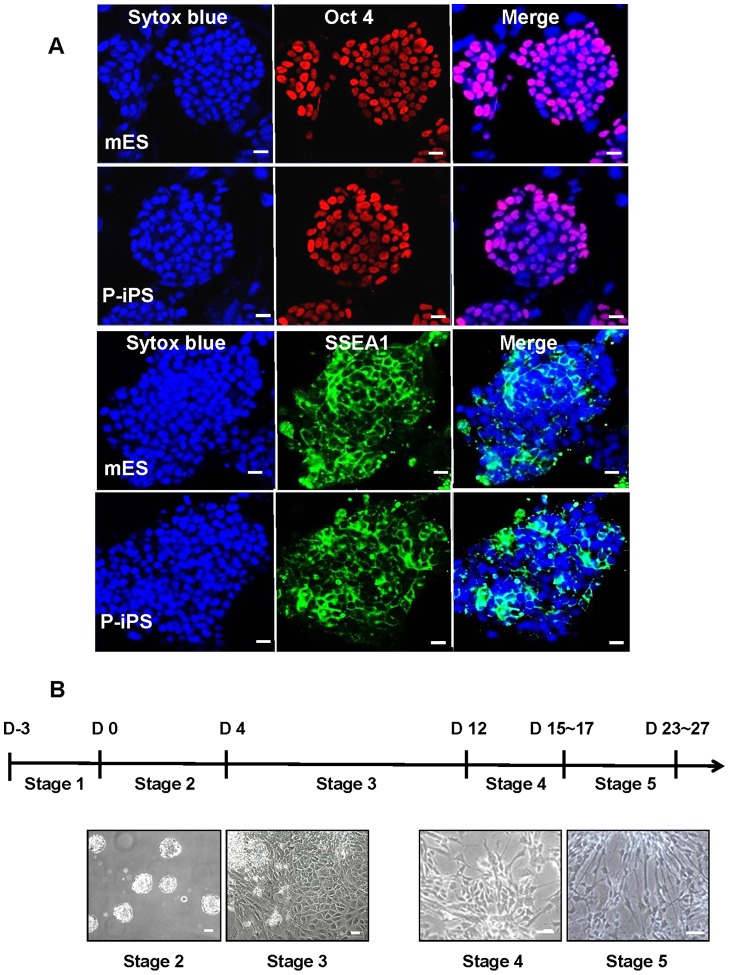
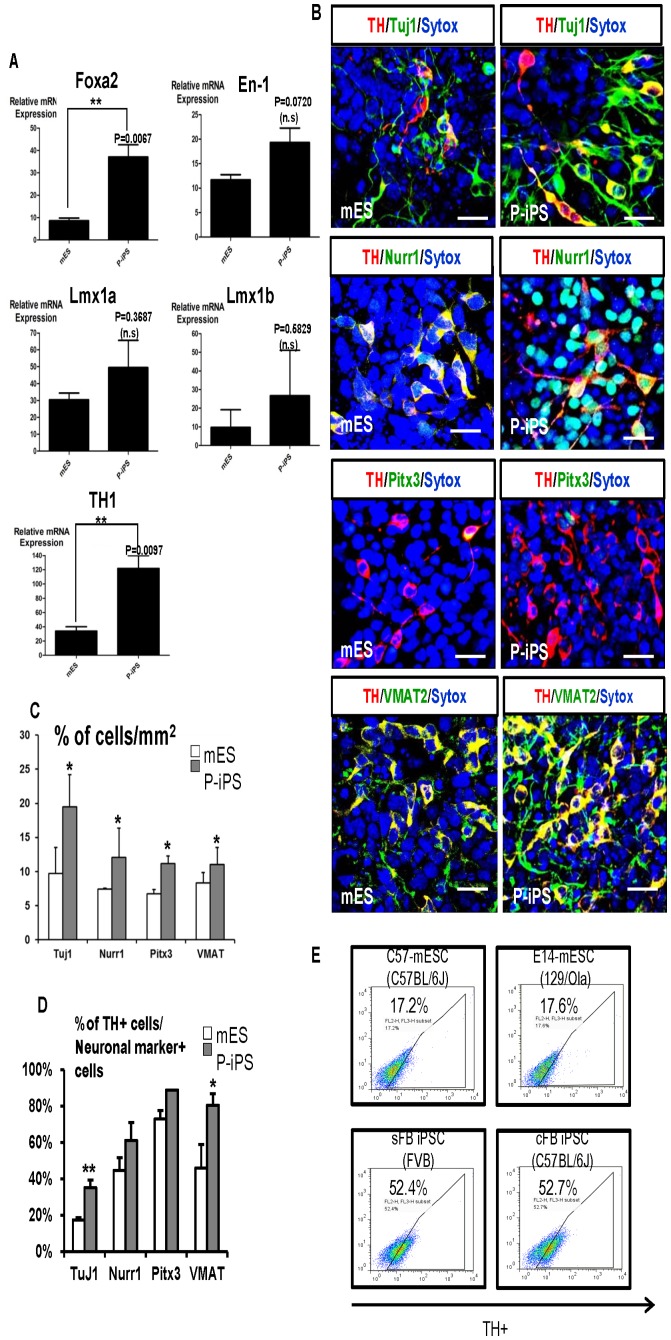
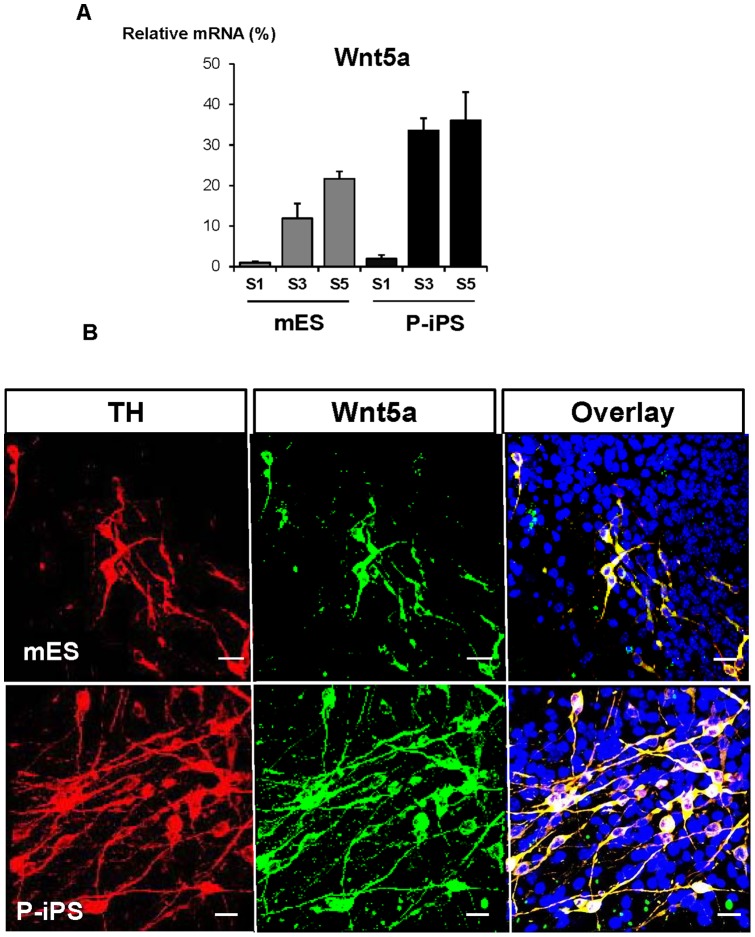
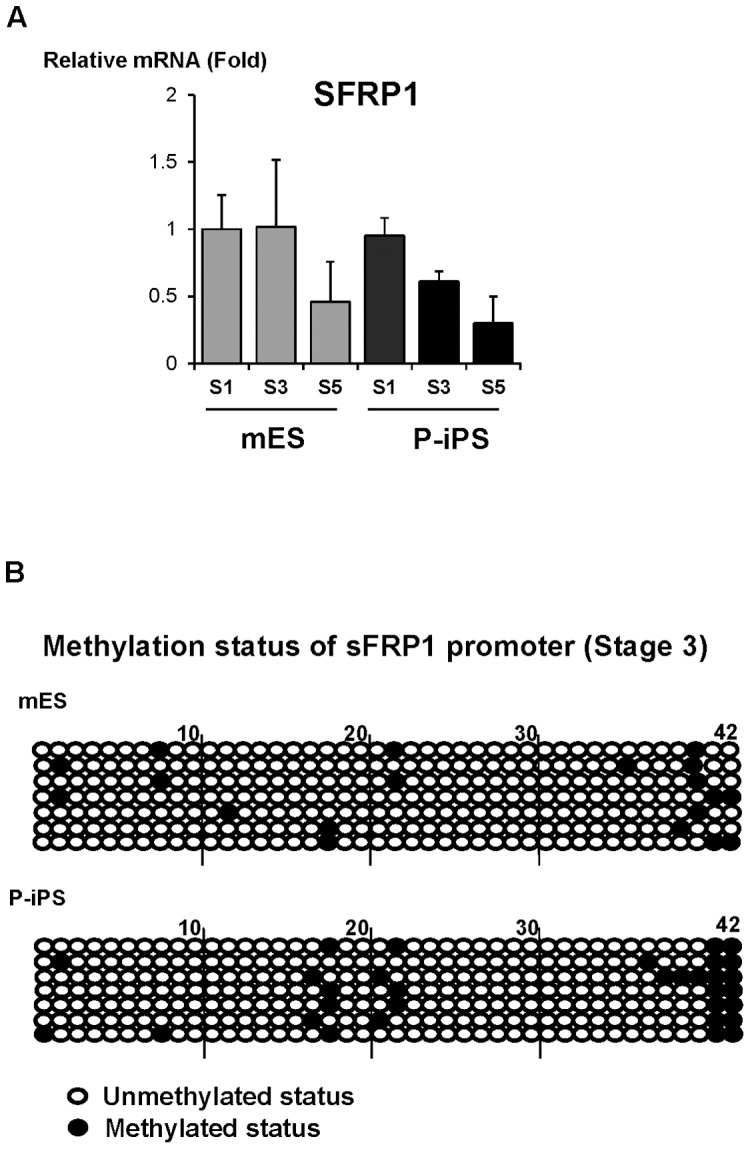
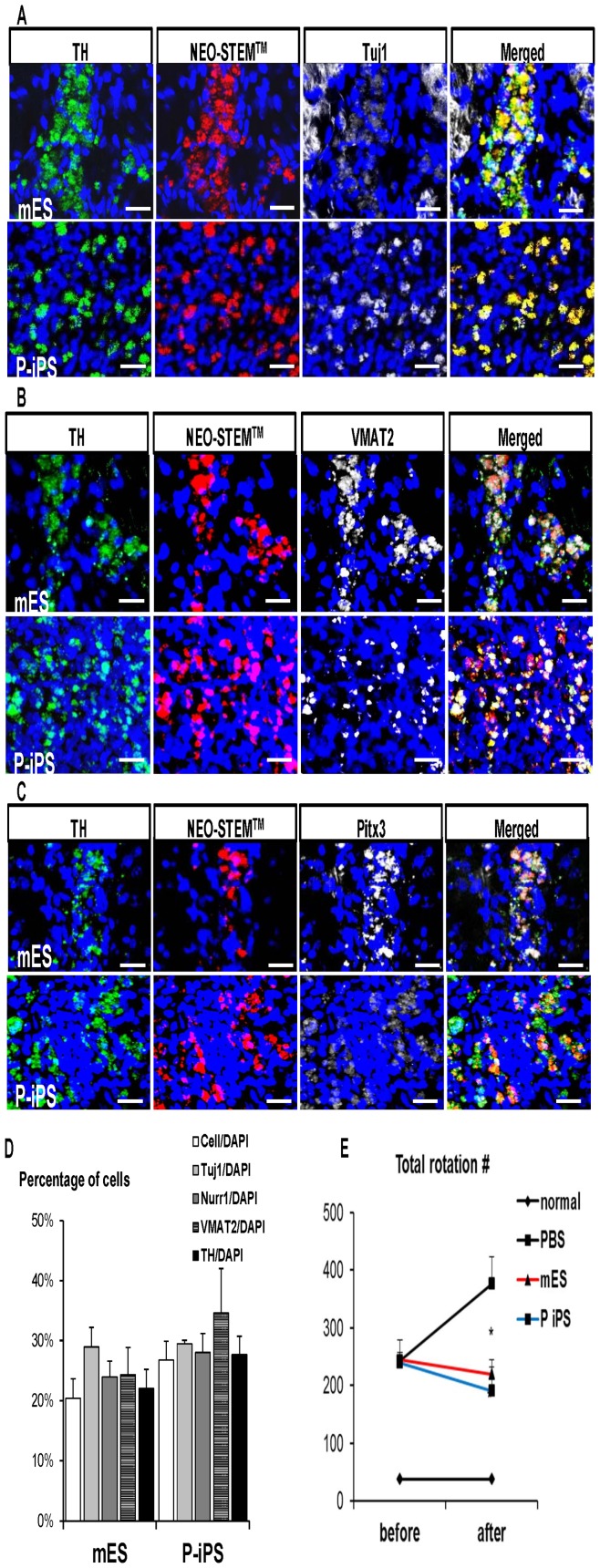
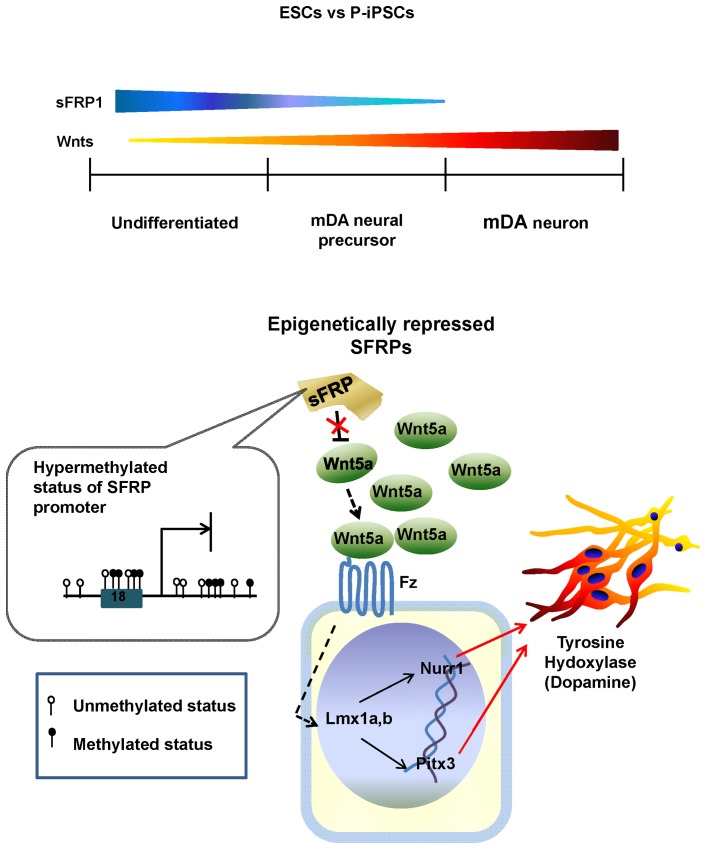
In patients with Parkinson's disease (PD), stem cells can serve as therapeutic agents to restore or regenerate injured nervous system. Here, we differentiated two types of stem cells; mouse embryonic stem cells (mESCs) and protein-based iPS cells (P-iPSCs) generated by non-viral methods, into midbrain dopaminergic (mDA) neurons, and then compared the efficiency of DA neuron differentiation from these two cell types. In the undifferentiated stage, P-iPSCs expressed pluripotency markers as ES cells did, indicating that protein-based reprogramming was stable and authentic. While both stem cell types were differentiated to the terminally-matured mDA neurons, P-iPSCs showed higher DA neuron-specific markers' expression than ES cells. To investigate the mechanism of the superior induction capacity of DA neurons observed in P-iPSCs compared to ES cells, we analyzed histone modifications by genome-wide ChIP sequencing analysis and their corresponding microarray results between two cell types. We found that Wnt signaling was up-regulated, while SFRP1, a counter-acting molecule of Wnt, was more suppressed in P-iPSCs than in mESCs. In PD rat model, transplantation of neural precursor cells derived from both cell types showed improved function. The present study demonstrates that P-iPSCs could be a suitable cell source to provide patient-specific therapy for PD without ethical problems or rejection issues.
Conflict of interest statement
Figures
References
-
- Freed CR, Breeze RE, Rosenberg NL, Schneck SA, Kriek E, et al. (1992) Survival of implanted fetal dopamine cells and neurologic improvement 12 to 46 months after transplantation for Parkinson's disease. The New England journal of medicine 327: 1549–1555. - PubMed
-
- Lindvall O, Brundin P, Widner H, Rehncrona S, Gustavii B, et al. (1990) Grafts of fetal dopamine neurons survive and improve motor function in Parkinson's disease. Science 247: 574–577. - PubMed
-
- Dunnett SB, Bjorklund A, Lindvall O (2001) Cell therapy in Parkinson's disease – stop or go? Nat Rev Neurosci 2: 365–369. - PubMed
-
- Winkler C, Kirik D, Bjorklund A (2005) Cell transplantation in Parkinson's disease: how can we make it work? Trends Neurosci 28: 86–92. - PubMed
-
- Bjorklund A, Dunnett SB, Brundin P, Stoessl AJ, Freed CR, et al. (2003) Neural transplantation for the treatment of Parkinson's disease. Lancet neurology 2: 437–445. - PubMed
Publication types
MeSH terms
Substances
LinkOut - more resources
Full Text Sources
Other Literature Sources
