. 2014 Jan 17;9(1):e85768.
doi: 10.1371/journal.pone.0085768. eCollection 2014.

Human variants in the neuronal basic helix-loop-helix/Per-Arnt-Sim (bHLH/PAS) transcription factor complex NPAS4/ARNT2 disrupt function

Affiliations

Human variants in the neuronal basic helix-loop-helix/Per-Arnt-Sim (bHLH/PAS) transcription factor complex NPAS4/ARNT2 disrupt function

David C Bersten et al. PLoS One. .

Abstract

Neuronal Per-Arnt-Sim homology (PAS) Factor 4 (NPAS4) is a neuronal activity-dependent transcription factor which heterodimerises with ARNT2 to regulate genes involved in inhibitory synapse formation. NPAS4 functions to maintain excitatory/inhibitory balance in neurons, while mouse models have shown it to play roles in memory formation, social interaction and neurodegeneration. NPAS4 has therefore been implicated in a number of neuropsychiatric or neurodegenerative diseases which are underpinned by defects in excitatory/inhibitory balance. Here we have explored a broad set of non-synonymous human variants in NPAS4 and ARNT2 for disruption of NPAS4 function. We found two variants in NPAS4 (F147S and E257K) and two variants in ARNT2 (R46W and R107H) which significantly reduced transcriptional activity of the heterodimer on a luciferase reporter gene. Furthermore, we found that NPAS4.F147S was unable to activate expression of the NPAS4 target gene BDNF due to reduced dimerisation with ARNT2. Homology modelling predicts F147 in NPAS4 to lie at the dimer interface, where it appears to directly contribute to protein/protein interaction. We also found that reduced transcriptional activation by ARNT2 R46W was due to disruption of nuclear localisation. These results provide insight into the mechanisms of NPAS4/ARNT dimerisation and transcriptional activation and have potential implications for cognitive phenotypic variation and diseases such as autism, schizophrenia and dementia.


Conflict of interest statement

Competing Interests: The authors have declared that no competing interests exist.

Figures

Figure 1
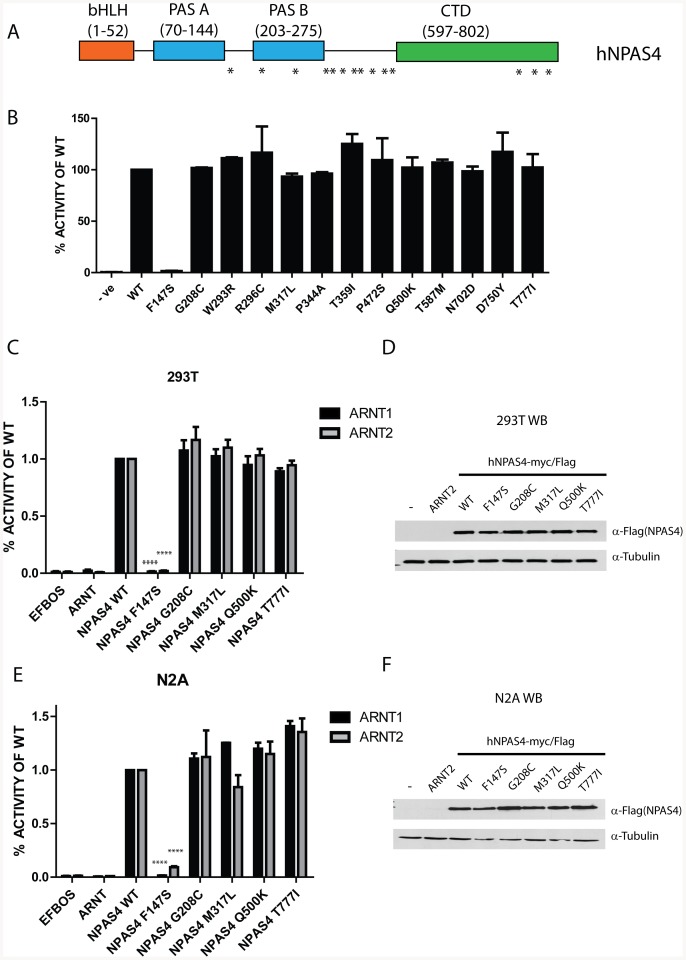
Figure 1. Functional Analysis of human NPAS4 Variants.
A, Schematic of domains within NPAS4 showing positions of analysed non-synonymous variants. B, A screen of NPAS4-mycFlag variants using NPAS4/ARNT2 activation of a reporter gene (6xCME-Luc) in HEK293T cells transfected with NPAS4-MycFlag and ARNT2 expression vectors. Values represent average percentage activity of WT NPAS4-mycFlag ±SD of two independent experiments. C and E, NPAS4-MycFlag variant activation of the 6xCME-Luc reporter gene upon co-expression of ARNT1 or ARNT2 as the dimerisation partner in HEK293T cells (C) or Neuro2A cells (E). Data are mean percentage activity of WT NPAS4-mycFlag ±SEM of at least 3 independent experiments. Statistical significance was calculated using an ANOVA compared to WT NPAS4-mycFlag. Cell lysates from reporter assays in C and E were separated by SDS-PAGE and NPAS4-mycFlag protein detected by immunoblotting using α-Flag antibodies, with α-tubulin was used as a loading control. Representative western blots of NPAS4-mycFlag variants are shown for HEK293T cells (D) and Neuro2A cells (F). ****p<0.0001.
Figure 2
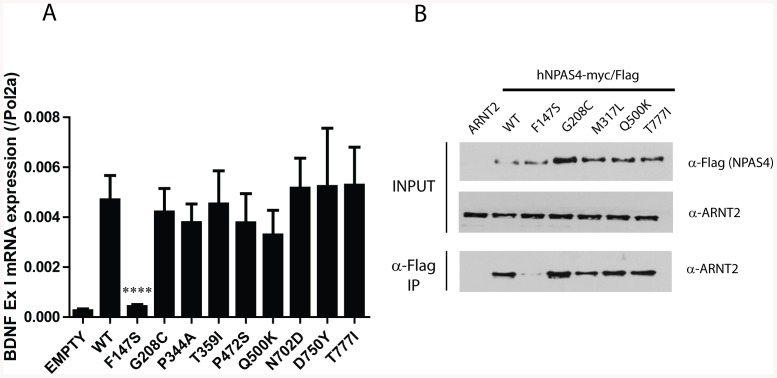
Figure 2. NPAS4 Variant F147S reduces dimerisation with ARNT2 and fails to activate BDNF expression.
A, 293TREX cells containing site specific, stable integration of WT NPAS4-mycFlag, NPAS4-mycFlag variants or an empty vector were induced with 1 µg/ml doxycycline for 24 hrs and Brain Derived Neurotrophic Factor (BDNF) Exon I mRNA expression measured by quantitative real-time PCR and normalised to RNA Polymerase 2A. Data are mean ±SEM of at least 4 independent experiments; WT is an average of two independently derived cell lines and least 4 independent experiments. Statistical significance is calculated using an ANOVA compared to WT NPAS4-mycFlag, ****p<0.0001. B, Immunoblotting of whole cell extracts and α-Flag coimmunoprecipitates from HEK293T cells transiently transfected with NPAS4-MycFlag and ARNT2 expression constructs. α-Flag Abs used to detect NPAS4-MycFlag and α-ARNT2 Abs used to detect overexpressed ARNT2. Data are representative of three independent experiments.
Figure 3
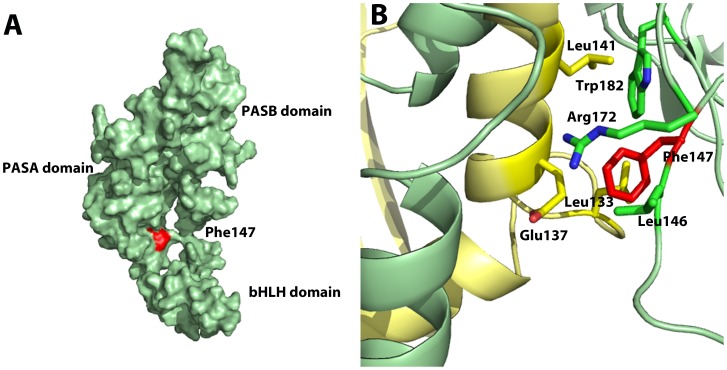
Figure 3. Homology model highlighting residue Phe147 of NPAS4. NPAS4 is colored green and ARNT2 is colored yellow.
A) The NPAS4 subunit is depicted as a surface representation. The location of Phe147 is shown by red color. B) The NPAS4-ARNT2 heterodimer is depicted as a ribbons diagram. Phe147 is shown at the interface with side chain shown as sticks colored red, together with amino acids within 3.5 angstroms. Phe 147 is part of a hydrophobic pocket formed with ARNT2 residues (Leu 133, Leu 141) and NPAS4 residues (Leu 146, Trp 182).
Figure 4
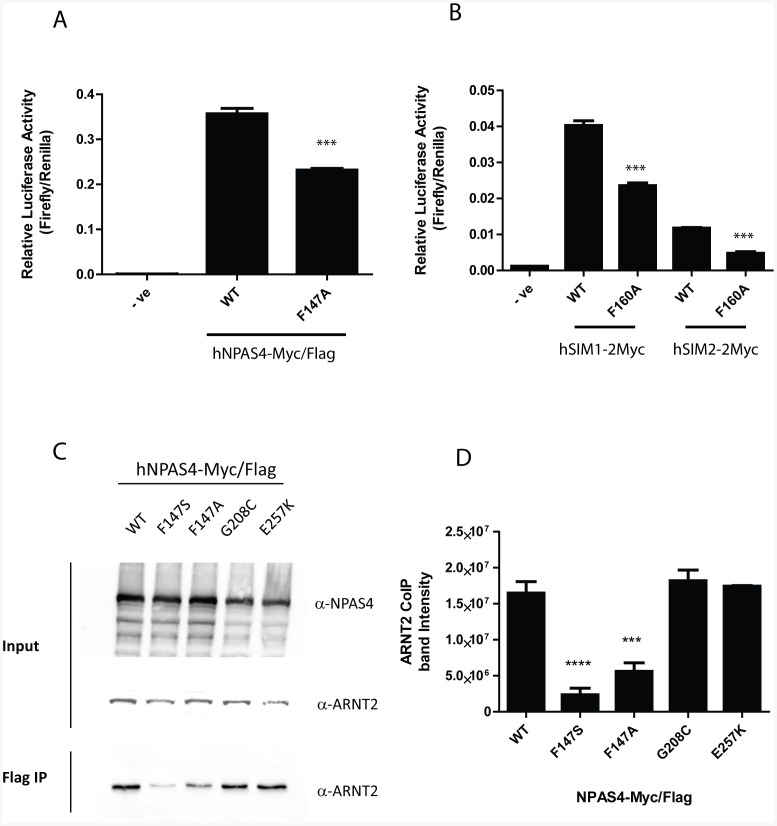
Figure 4. NPAS4.F147A, SIM1.F160A, and SIM2.F160A show reduced activities on a reporter gene.
A, Comparison of WT NPAS4-mycFlag and NPAS4.F147A-mycFlag activities on reporter gene 6xCME-Luc in HEK293T cells transfected with NPAS4-MycFlag and ARNT2 expression vectors. B, Comparison of WT SIM-2myc proteins with SIM1.F160A-2myc and SIM2.F160A-2myc variants on reporter gene 6xCME-Luc in HEK 293T cells cells transfected with SIM1-2Myc, SIM2-2Myc and ARNT2 expression vectors. C. Immunoblotting of whole cell extracts and α-Flag coimmunoprecipitates from HEK293T cells transiently transfected with NPAS4-MycFlag. α-Flag Abs used to detect NPAS4-MycFlag and α-ARNT2 Abs used to detect endogenous ARNT2. D. ARNT2 coimmunopreciption band intensity quantitation of 3 independent α-Flag coimmunoprecipitation experiments. Data are mean relative luciferase activities ±SEM of 3 experiments. Statistical significance is calculated using an unpaired two tailed students t-test (A and B) or ANOVA (D) compared to WT.***p<0.001, ****p<0.0001.
Figure 5
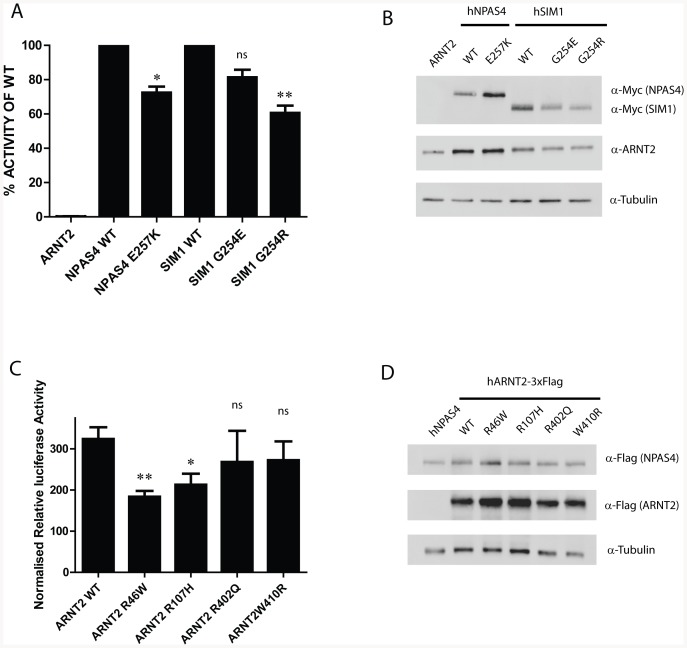
Figure 5. Partial loss of activity variants found in NPAS4, SIM1 and ARNT2.
A, Variants of NPAS4-mycFlag, and SIM1-2myc were coexpressed with ARNT2 and assessed for activation of reporter gene 6xCME-Luc in HEK293T cells. Data are presented as average percentage activities (±SEM of 3 independent experiments) of the relevant WT heterodimers which have been normalised 100%. B, Western blot of reporter assay lysates from A to verify expression of hSIM1-2myc and hNPAS4-mycFlag (using α-Myc antibodies), hARNT2 (α-ARNT2 antibodies) and tubulin (α-tubulin antibodies). C, NPAS4-mycFlag activation of reporter gene 6xCME-Luc in combination with the indicated ARNT2-3xFlag variants in HEK293T cells. Data are presented as average percentage activities (±SEM of 3 independent experiments) of WT NPAS4-mycFlag/ARNT2-3xFlag heterodimer which has been normalised to 100%. D, Western blot of reporter assay lysates from C to detect expressed hNPAS4-MycFlag and hARNT2-3xFlag with α-flag antibodies, or tubulin using α-tubulin antibodies. Statistical significance was calculated using an ANOVA comparing relative luciferase activities to WT, * p<0.05, **p<0.01.
Figure 6
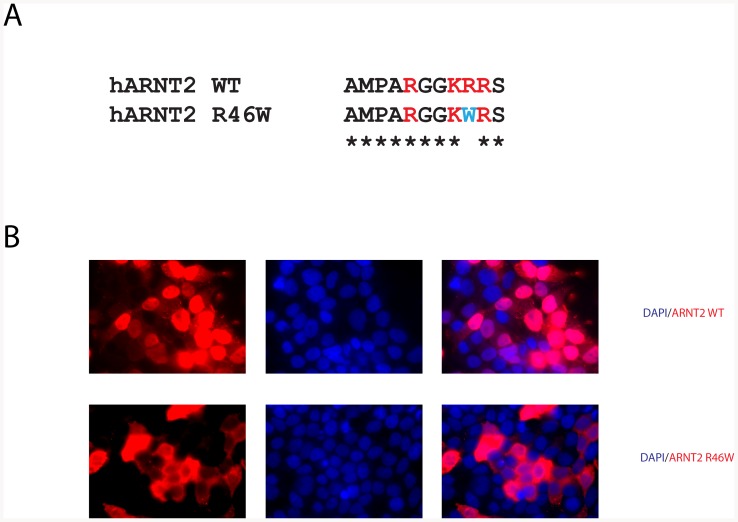
Figure 6. Variant R46W in ARNT2 disrupts nuclear localisation.
A, Alignment of the N-terminal basic residues of ARNT1 nuclear localisation sequence with WT ARNT2 and ARNT2.R46W. B, Immunofluorescence of HEK293T cells transfected with either WT ARNT2-3xFlag or ARNT2.R46W-3xFlag expression vectors using α-Flag antibodies (Red) and nuclei stained with DAPI (Blue).

References

    1. McIntosh BE, Hogenesch JB, Bradfield CA (2010) Mammalian Per-Arnt-Sim proteins in environmental adaptation. Annual review of physiology 72: 625–645. - PubMed
    1. Semenza GL (2012) Hypoxia-inducible factors in physiology and medicine. Cell 148: 399–408. - PMC - PubMed
    1. Furness SG, Lees MJ, Whitelaw ML (2007) The dioxin (aryl hydrocarbon) receptor as a model for adaptive responses of bHLH/PAS transcription factors. FEBS letters 581: 3616–3625. - PubMed
    1. Reppert SM, Weaver DR (2002) Coordination of circadian timing in mammals. Nature 418: 935–941. - PubMed
    1. Tolson KP, Gemelli T, Gautron L, Elmquist JK, Zinn AR, et al. (2010) Postnatal Sim1 deficiency causes hyperphagic obesity and reduced Mc4r and oxytocin expression. The Journal of neuroscience: the official journal of the Society for Neuroscience 30: 3803–3812. - PMC - PubMed

Publication types

MeSH terms