


Non-hematopoietic PAR-2 is essential for matriptase-driven pre-malignant progression and potentiation of ras-mediated squamous cell carcinogenesis
- PMID: 24469043
- PMCID: PMC4112178
- DOI: 10.1038/onc.2013.563
Non-hematopoietic PAR-2 is essential for matriptase-driven pre-malignant progression and potentiation of ras-mediated squamous cell carcinogenesis
Abstract
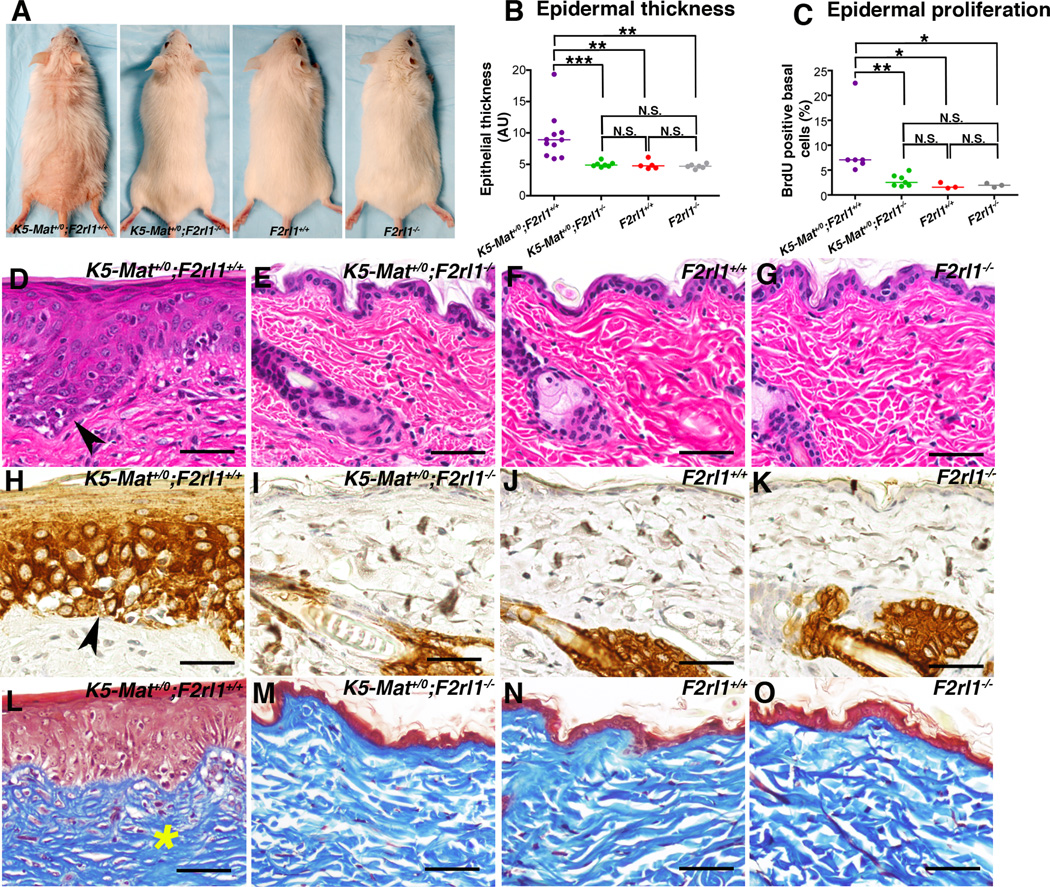
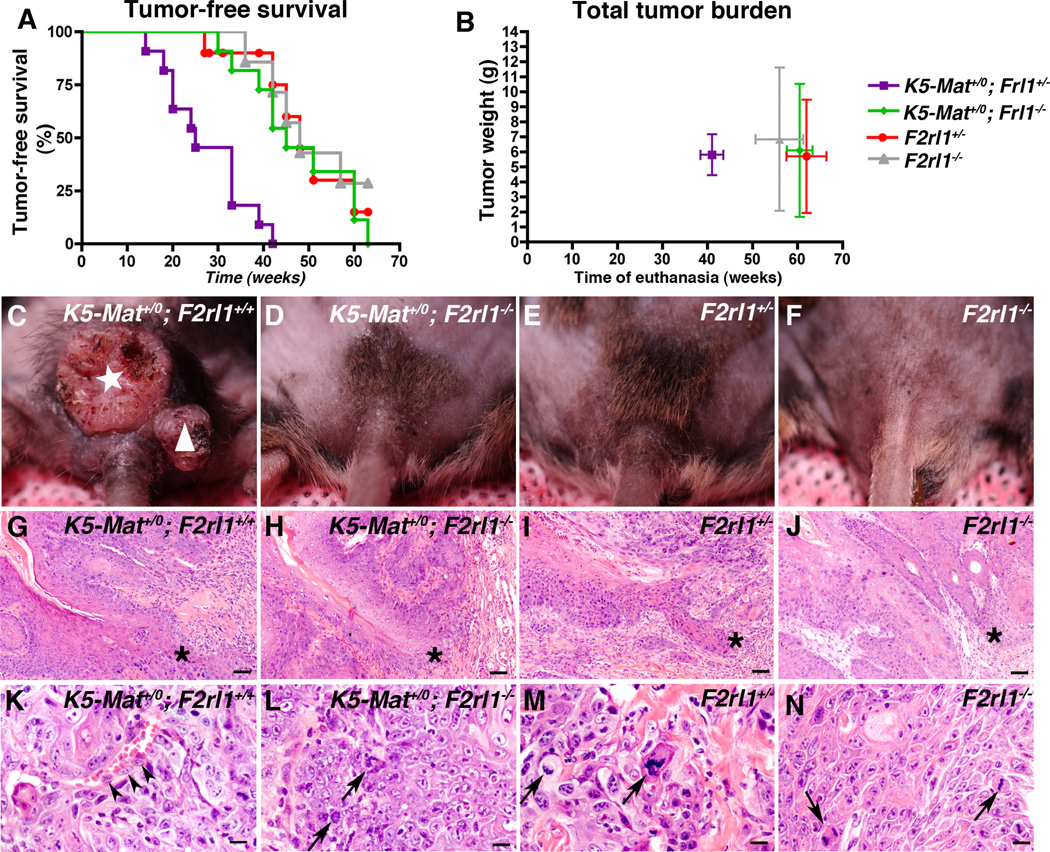
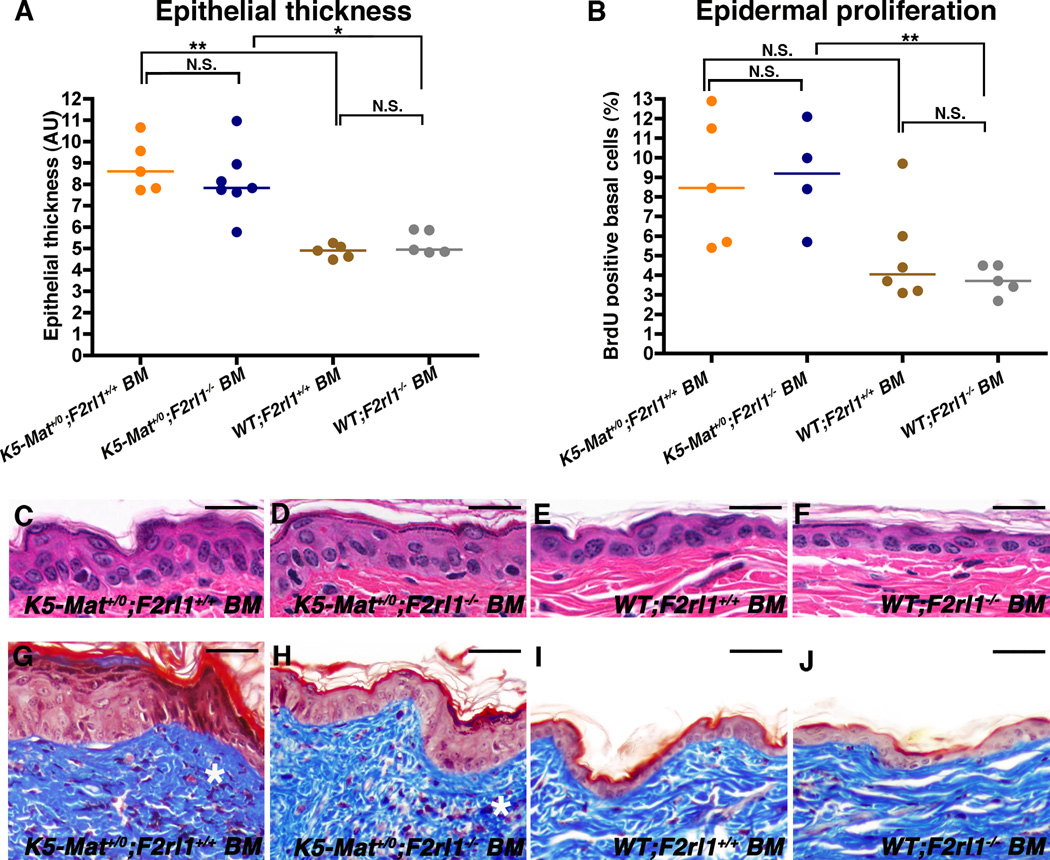
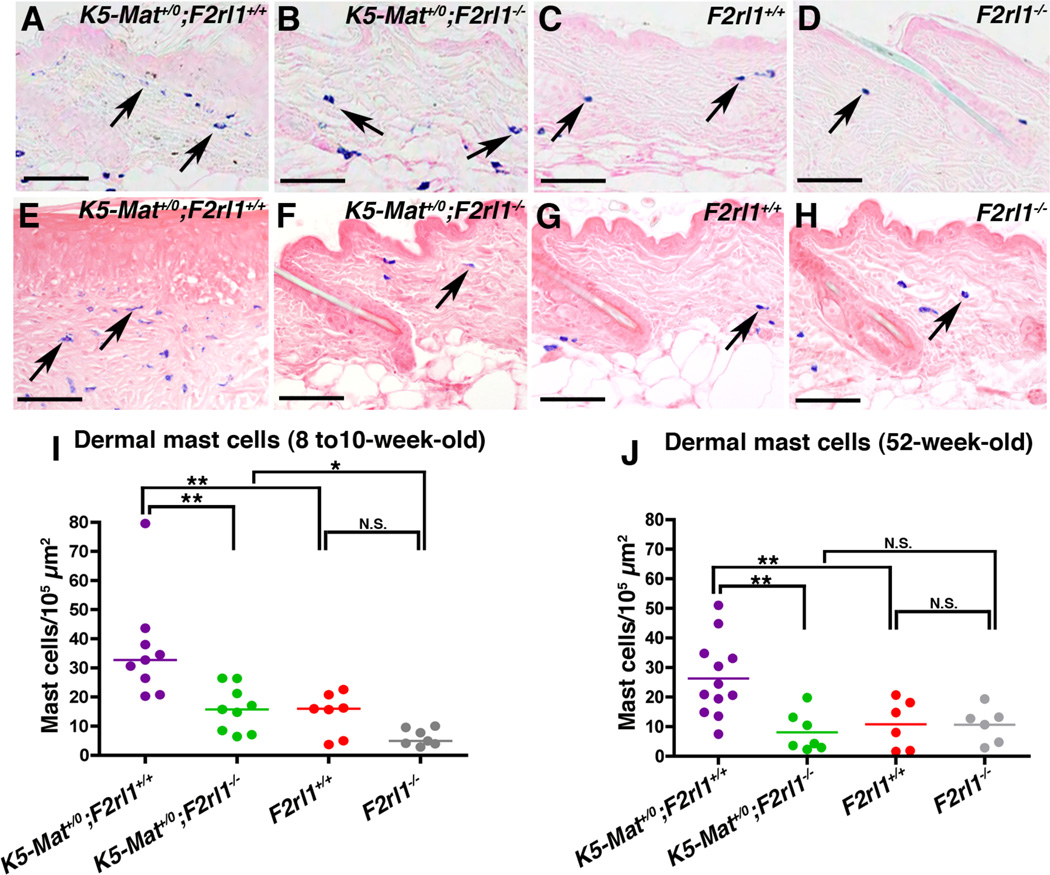
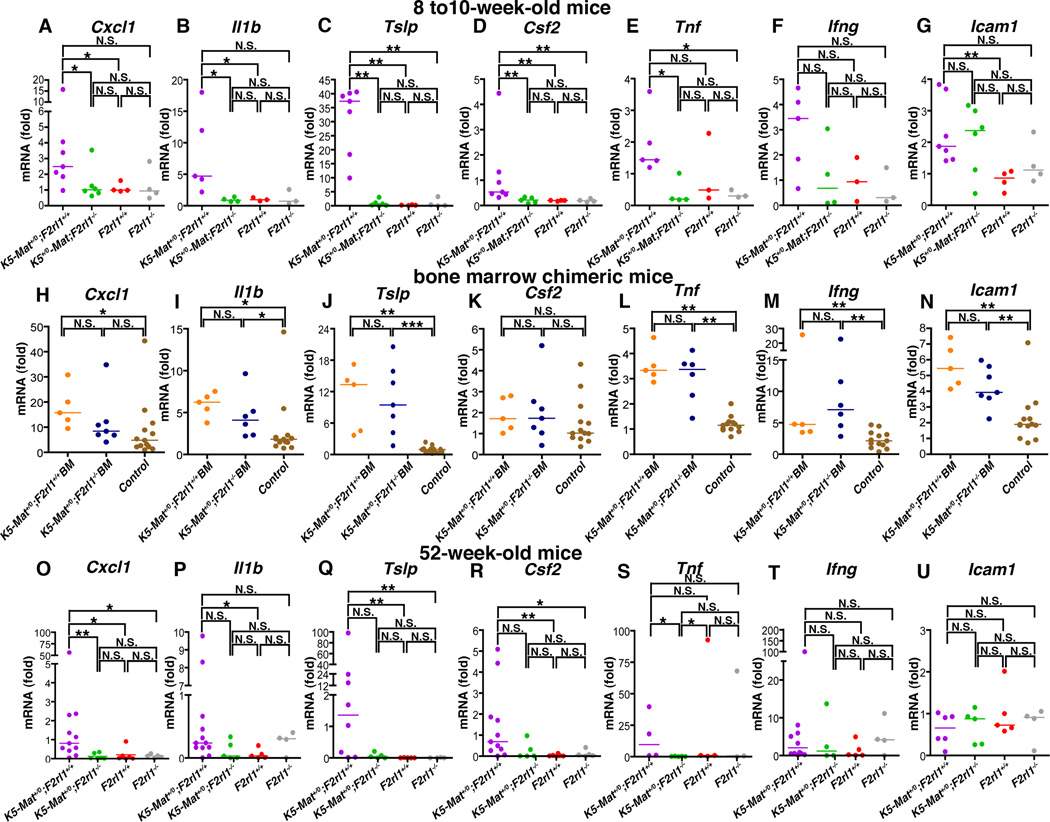
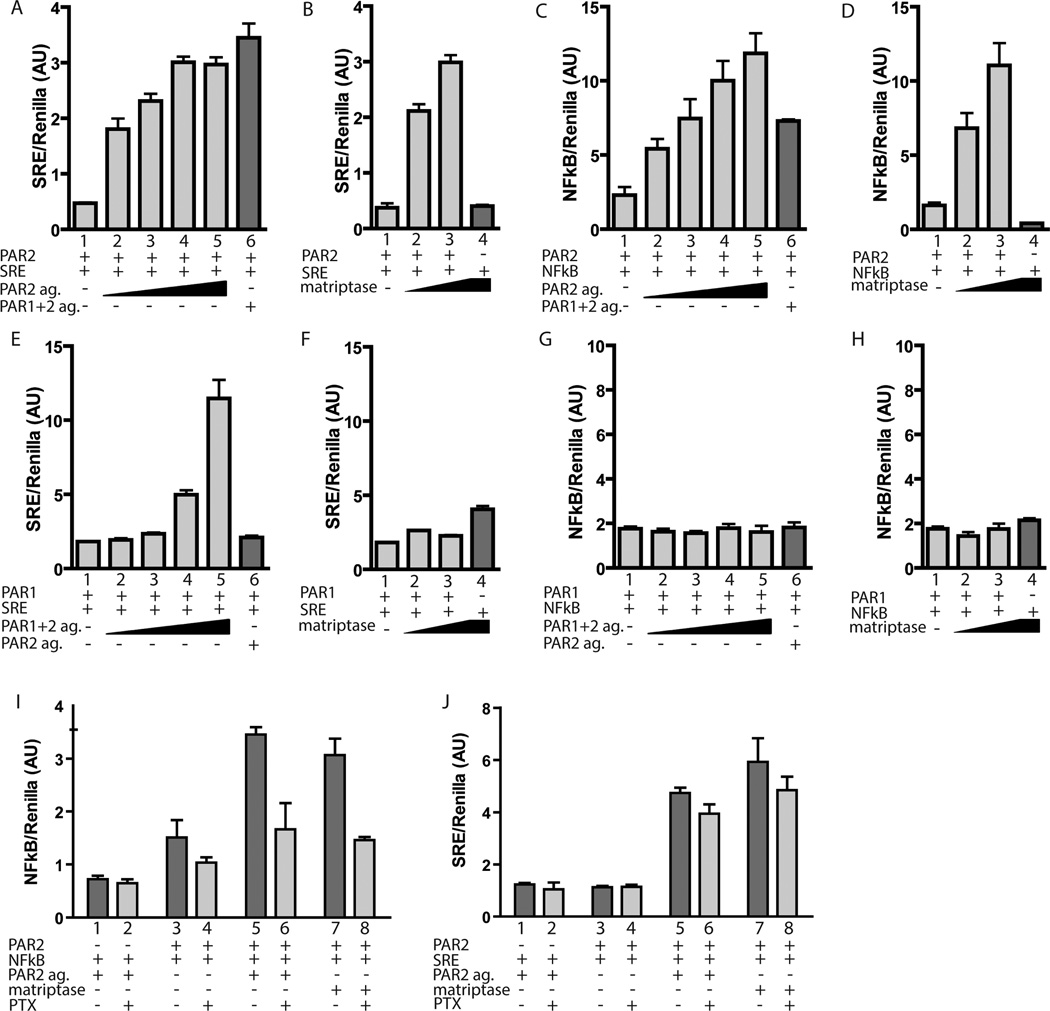
The membrane-anchored serine protease, matriptase, is consistently dysregulated in a range of human carcinomas, and high matriptase activity correlates with poor prognosis. Furthermore, matriptase is unique among tumor-associated proteases in that epithelial stem cell expression of the protease suffices to induce malignant transformation. Here, we use genetic epistasis analysis to identify proteinase-activated receptor (PAR)-2-dependent inflammatory signaling as an essential component of matriptase-mediated oncogenesis. In cell-based assays, matriptase was a potent activator of PAR-2, and PAR-2 activation by matriptase caused robust induction of nuclear factor (NF)κB through Gαi. Importantly, genetic elimination of PAR-2 from mice completely prevented matriptase-induced pre-malignant progression, including inflammatory cytokine production, inflammatory cell recruitment, epidermal hyperplasia and dermal fibrosis. Selective ablation of PAR-2 from bone marrow-derived cells did not prevent matriptase-driven pre-malignant progression, indicating that matriptase activates keratinocyte stem cell PAR-2 to elicit its pro-inflammatory and pro-tumorigenic effects. When combined with previous studies, our data suggest that dual induction of PAR-2-NFκB inflammatory signaling and PI3K-Akt-mTor survival/proliferative signaling underlies the transforming potential of matriptase and may contribute to pro-tumorigenic signaling in human epithelial carcinogenesis.
Conflict of interest statement
Authors have declared that no competing interests exist.
Figures
References
-
- Lopez-Otin C, Hunter T. The regulatory crosstalk between kinases and proteases in cancer. Nat Rev Cancer. 2010;10(4):278–292. - PubMed
-
- Benaud C, Oberst M, Hobson JP, Spiegel S, Dickson RB, Lin CY. Sphingosine 1-phosphate, present in serum-derived lipoproteins, activates matriptase. J Biol Chem. 2002;277(12):10539–10546. - PubMed
-
- Hoang CD, D'Cunha J, Kratzke MG, Casmey CE, Frizelle SP, Maddaus MA, et al. Gene expression profiling identifies matriptase overexpression in malignant mesothelioma. Chest. 2004;125(5):1843–1852. - PubMed
-
- Jin JS, Chen A, Hsieh DS, Yao CW, Cheng MF, Lin YF. Expression of serine protease matriptase in renal cell carcinoma: correlation of tissue microarray immunohistochemical expression analysis results with clinicopathological parameters. Int J Surg Pathol. 2006;14(1):65–72. - PubMed
-
- Jin JS, Hsieh DS, Loh SH, Chen A, Yao CW, Yen CY. Increasing expression of serine protease matriptase in ovarian tumors: tissue microarray analysis of immunostaining score with clinicopathological parameters. Mod Pathol. 2006;19(3):447–452. - PubMed
Publication types
MeSH terms
Substances
Grants and funding
LinkOut - more resources
Full Text Sources
Other Literature Sources
Molecular Biology Databases
Miscellaneous
