


p53 suppresses carcinoma progression by inhibiting mTOR pathway activation
- PMID: 24469052
- PMCID: PMC4112184
- DOI: 10.1038/onc.2013.589
p53 suppresses carcinoma progression by inhibiting mTOR pathway activation
Abstract
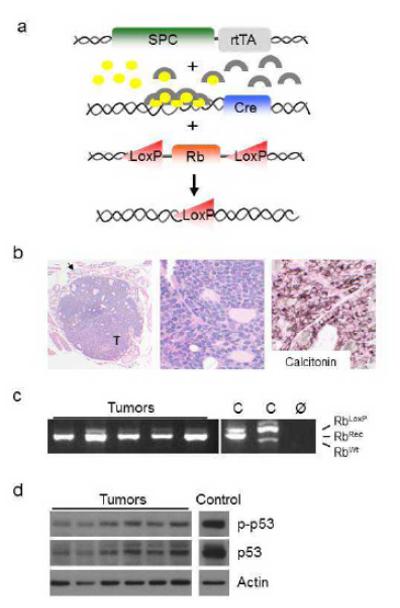
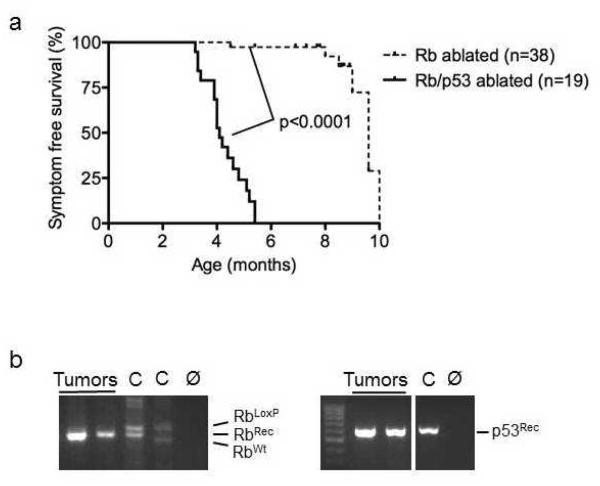
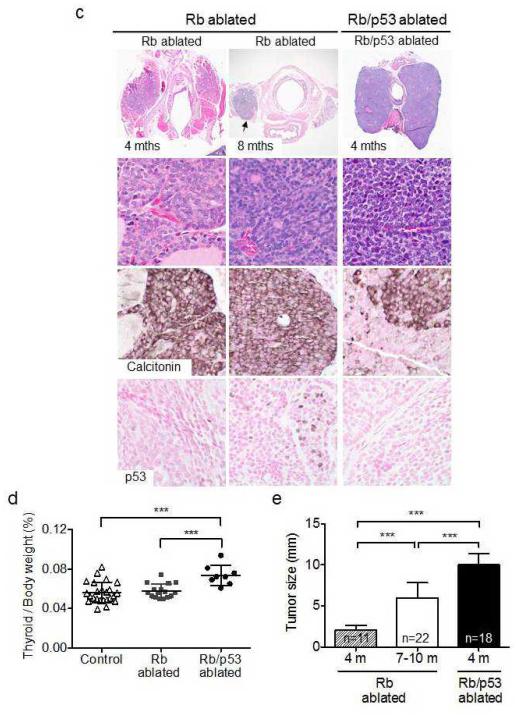
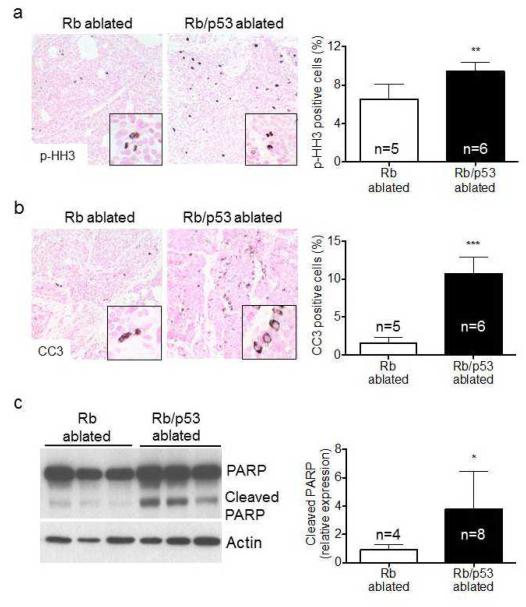
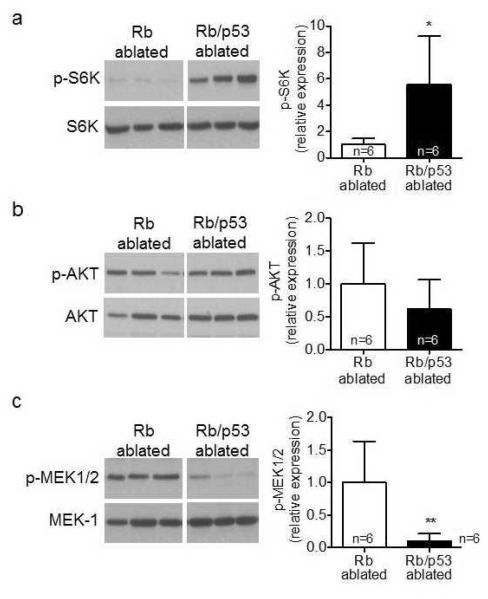
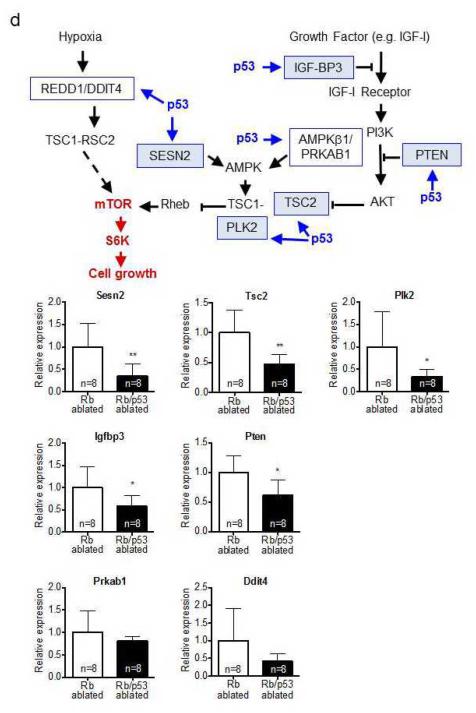
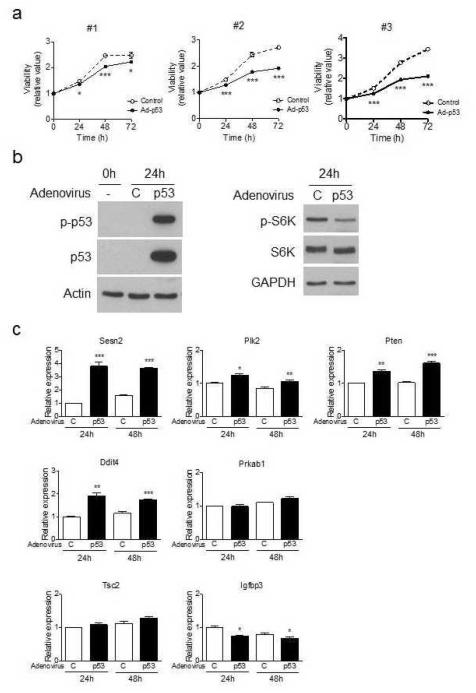
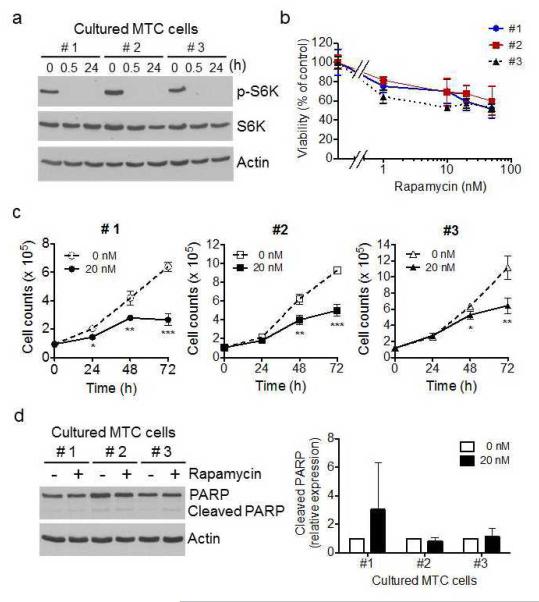
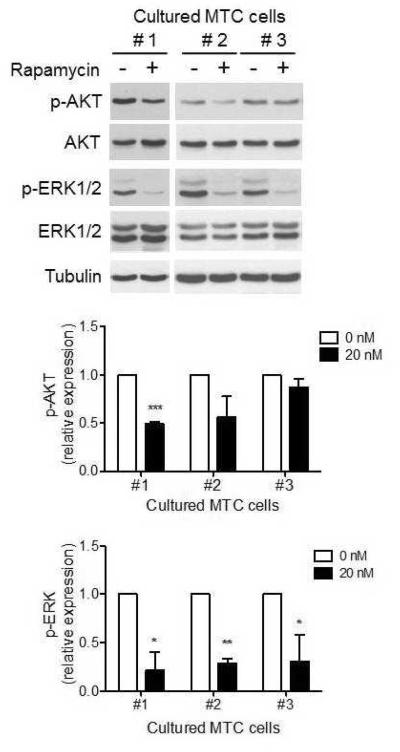
Genetic alterations in human cancers and murine models indicate that retinoblastoma (Rb) and p53 have critical tumor suppressive functions in retinoblastoma, a tumor of neural origin, and neuroendocrine tumors including small cell lung cancer and medullary thyroid cancer (MTC). Rb inactivation is the initiating lesion in retinoblastoma and current models propose that induction of apoptosis is a key p53 tumor suppressive function. Genetic studies in mice, however, indicate that other undefined p53 tumor suppressive functions are operative in vivo. How p53 loss cooperates with Rb inactivation to promote carcinogenesis is also not fully understood. In the current study, genetically engineered mice were generated to determine the role of Rb and p53 in MTC pathogenesis and test the hypothesis that p53 suppresses carcinogenesis by inhibiting mammalian target of rapamycin (mTOR) signaling. Conditional Rb ablation resulted in thyroid tumors mimicking human MTC, and additional p53 loss led to rapid tumor progression. p53 suppressed tumorigenesis by inhibiting cell cycle progression, but did not induce apoptosis. On the contrary, p53 loss led to increased apoptosis that had to be overcome for tumor progression. The mTOR activity was markedly increased in p53-deficient tumors and rapamycin treatment suppressed tumor cell growth, identifying mTOR inhibition as a critical p53 tumor suppressive function. Rapamycin treatment did not result in AKT/mitogen-activated protein kinase activation, providing evidence that this feedback mechanism operative in other cancers is not a general response to mTORC1 inhibition. Together, these studies provide mechanistic links between genetic alterations and aberrant signaling pathways critical in carcinogenesis, and identify essential Rb and p53 tumor suppressive functions in vivo.
Figures
References
-
- Stiewe T. The p53 family in differentiation and tumorigenesis. Nature reviews Cancer. 2007;7(3):165–8. Epub 2007/03/03. - PubMed
-
- Vousden KH, Prives C. Blinded by the Light: The Growing Complexity of p53. Cell. 2009;137(3):413–31. Epub 2009/05/05. - PubMed
-
- Liu G, Parant JM, Lang G, Chau P, Chavez-Reyes A, El-Naggar AK, et al. Chromosome stability, in the absence of apoptosis, is critical for suppression of tumorigenesis in Trp53 mutant mice. Nature genetics. 2004;36(1):63–8. Epub 2004/01/01. - PubMed
Publication types
MeSH terms
Substances
Supplementary concepts
Grants and funding
LinkOut - more resources
Full Text Sources
Other Literature Sources
Medical
Molecular Biology Databases
Research Materials
Miscellaneous
