


Caught in the web: a review of web-based suicide prevention
- PMID: 24472876
- PMCID: PMC3936329
- DOI: 10.2196/jmir.2973
Caught in the web: a review of web-based suicide prevention
Abstract
Background: Suicide is a serious and increasing problem worldwide. The emergence of the digital world has had a tremendous impact on people's lives, both negative and positive, including an impact on suicidal behaviors.
Objective: Our aim was to perform a review of the published literature on Web-based suicide prevention strategies, focusing on their efficacy, benefits, and challenges.
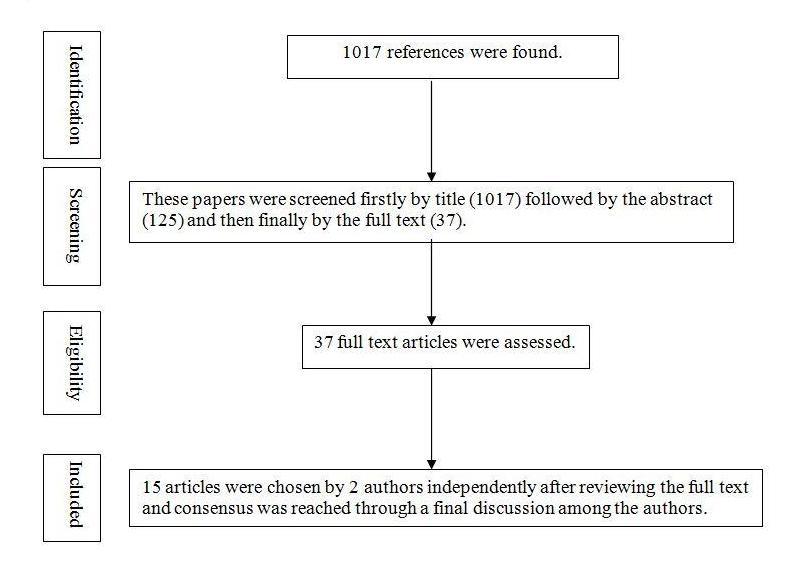
Methods: The EBSCOhost (Medline, PsycINFO, CINAHL), OvidSP, the Cochrane Library, and ScienceDirect databases were searched for literature regarding Web-based suicide prevention strategies from 1997 to 2013 according to the modified PRISMA (Preferred Reporting Items for Systematic Reviews and Meta-Analyses) statement. The selected articles were subjected to quality rating and data extraction.
Results: Good quality literature was surprisingly sparse, with only 15 fulfilling criteria for inclusion in the review, and most were rated as being medium to low quality. Internet-based cognitive behavior therapy (iCBT) reduced suicidal ideation in the general population in two randomized controlled trial (effect sizes, d=0.04-0.45) and in a clinical audit of depressed primary care patients. Descriptive studies reported improved accessibility and reduced barriers to treatment with Internet among students. Besides automated iCBT, preventive strategies were mainly interactive (email communication, online individual or supervised group support) or information-based (website postings). The benefits and potential challenges of accessibility, anonymity, and text-based communication as key components for Web-based suicide prevention strategies were emphasized.
Conclusions: There is preliminary evidence that suggests the probable benefit of Web-based strategies in suicide prevention. Future larger systematic research is needed to confirm the effectiveness and risk benefit ratio of such strategies.
Keywords: Internet; Web-based; suicide prevention.
Conflict of interest statement
Conflicts of Interest: None declared.
Figures
References
-
- WHO Media Centre Suicide risk high for young people. 2009. [2013-12-22]. http://www.who.int/mediacentre/multimedia/podcasts/2009/suicide_preventi...
-
- Internet World Stats World Internet Users and Population Statistics. 2012. [2013-12-23]. http://www.Internetworldstats.com/stats.htm.
Publication types
MeSH terms
LinkOut - more resources
Full Text Sources
Other Literature Sources
Medical
