


Cancer patients' function, symptoms and supportive care needs: a latent class analysis across cultures
- PMID: 24482185
- PMCID: PMC4589252
- DOI: 10.1007/s11136-014-0629-4
Cancer patients' function, symptoms and supportive care needs: a latent class analysis across cultures
Abstract
Purpose: Patient-reported outcomes (PROs) are an umbrella term covering a range of outcomes, including symptoms, functioning, health-related quality of life, and supportive care needs. Research regarding the appropriate PRO questionnaires to use is informative. A previously published latent class analysis (LCA) examined patterns of function, symptoms, and supportive care needs in a sample of US cancer patients. The current analysis investigated whether the findings from the original study were replicated in new samples from different countries and whether a larger sample combining all the data would affect the classes identified.
Methods: This secondary analysis of data from 408 Japanese and 189 Canadian cancer patients replicated the methods used in the original LCA using data from 117 US cancer patients. In all samples, subjects completed the EORTC-QLQ-C30 and Supportive Care Needs Survey Short Form-34 (SCNS-SF34). We first dichotomized individual function, symptom, and need domain scores. We then performed LCA to investigate the patterns of domains for each of the outcomes, both in the individual country samples and then combining the data from all three samples.
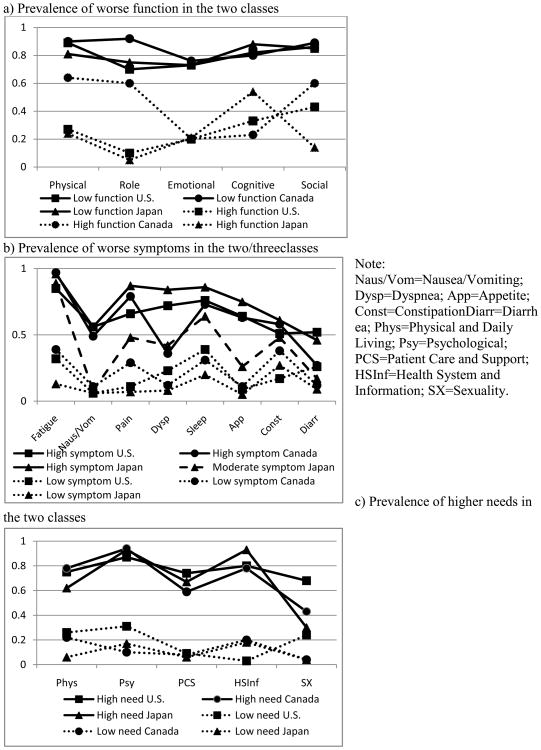
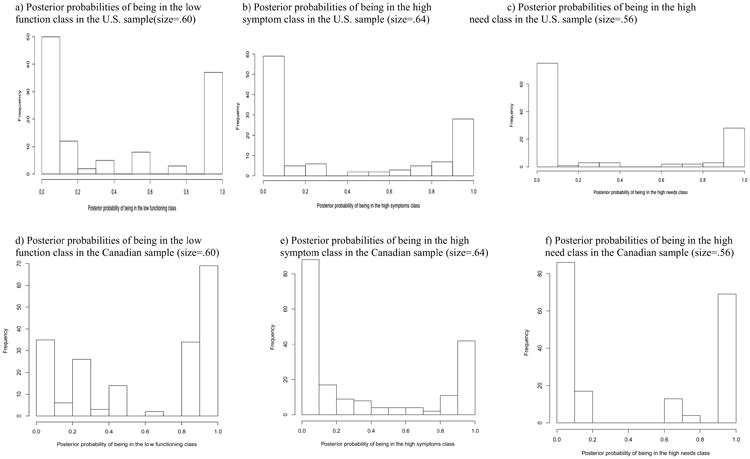
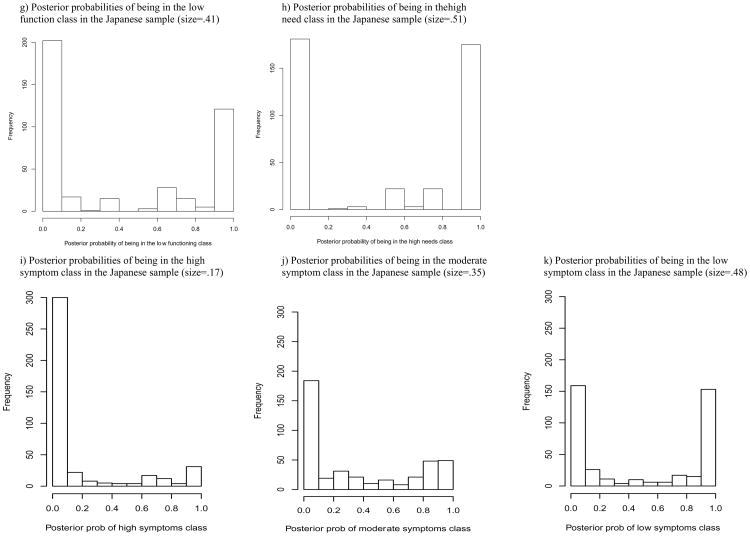
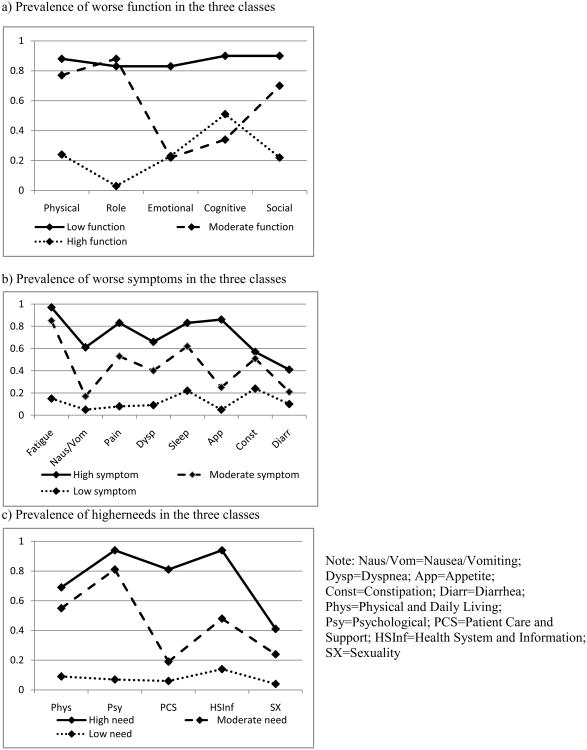
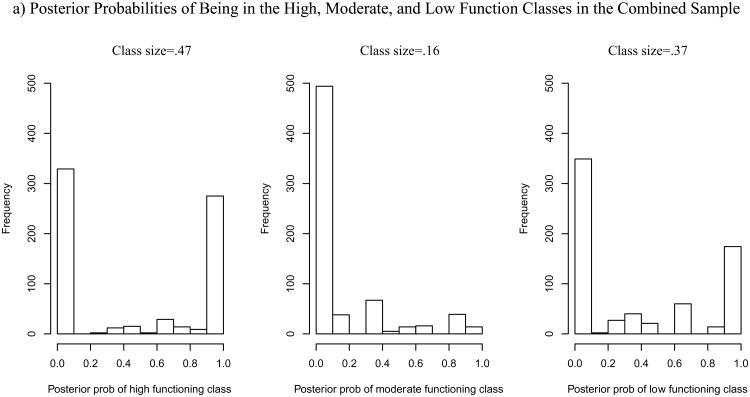
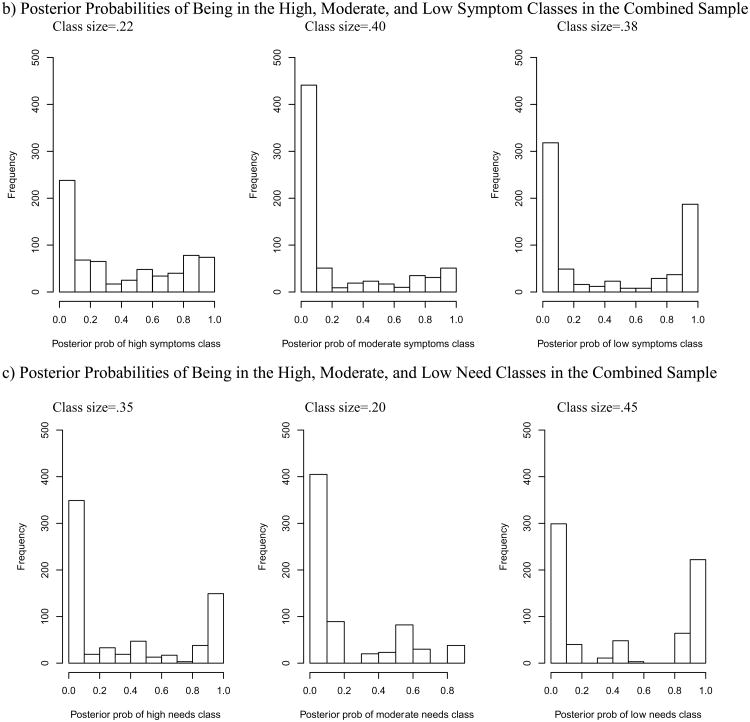
Results: Across all analyses, class assignment was made by level of function, symptoms, or needs. In individual samples, only two-class models ("high" vs. "low") were generally identifiable while in the combined sample, three-class models ("high" vs. "moderate" vs. "low") best fit the data for all outcomes.
Conclusions: In this analysis, the level of burden experienced by patients was the key factor in defining classes.
Figures
References
-
- Acquadro C, Berzon R, Dubois D, Leidy NK, Marquis P, Revicki D, Rothman M. Incorporating the patient's perspective into drug development and communication: an ad hoc task force report of the Patient-Reported Outcomes (PRO) Harmonization Group meeting at the Food and Drug Administration, February 16, 2001. Value Health. 2003;6(5):522–531. - PubMed
-
- Snyder CF, Dy SM, Hendricks DE, Brahmer JR, Carducci MA, Wolff AC, Wu AW. Asking the right questions: investigating needs assessments and health-related quality-of-life questionnaires for use in oncology clinical practice. Support Care Cancer. 2007;15(9):1075–1085. - PubMed
-
- Snyder CF, Jensen RE, Geller G, Carducci MA, Wu AW. Relevant content for a patient-reported outcomes questionnaire for use in oncology clinical practice: Putting doctors and patients on the same page. Qual Life Res. 2010;19(7):1045–1055. - PubMed
-
- Snyder CF, Garrett-Mayer E, Blackford AL, Brahmer JR, Carducci MA, Pili R, Stearns V, Wolff AC, Dy SM, Wu AW. Concordance of cancer patients' function, symptoms, and supportive care needs. Qual Life Res. 2009;18(8):991–998. - PubMed
Publication types
MeSH terms
Grants and funding
LinkOut - more resources
Full Text Sources
Other Literature Sources
Research Materials
Miscellaneous
