


Neuroimaging the epileptogenic process
- PMID: 24488707
- PMCID: PMC3996128
- DOI: 10.1007/s13311-014-0258-1
Neuroimaging the epileptogenic process
Abstract
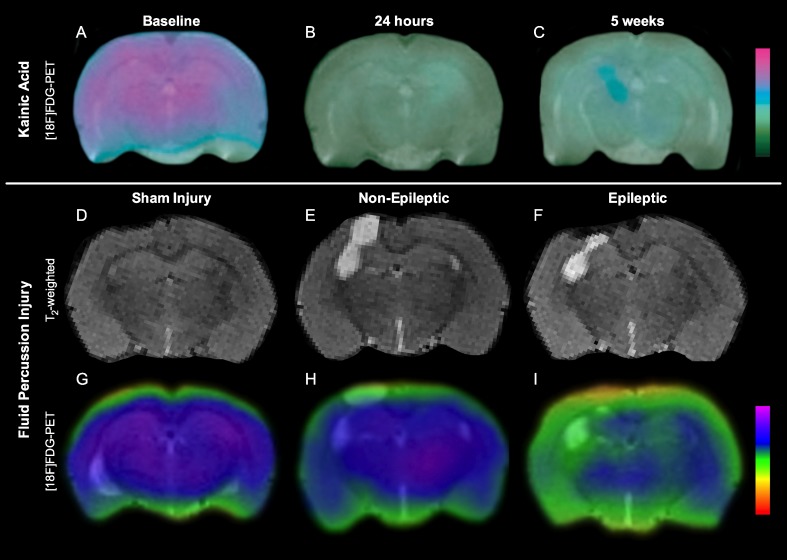
Epilepsy is one of the most common chronic neurological conditions worldwide. Anti-epileptic drugs (AEDs) can suppress seizures, but do not affect the underlying epileptic state, and many epilepsy patients are unable to attain seizure control with AEDs. To cure or prevent epilepsy, disease-modifying interventions that inhibit or reverse the disease process of epileptogenesis must be developed. A major limitation in the development and implementation of such an intervention is the current poor understanding, and the lack of reliable biomarkers, of the epileptogenic process. Neuroimaging represents a non-invasive medical and research tool with the ability to identify early pathophysiological changes involved in epileptogenesis, monitor disease progression, and assess the effectiveness of possible therapies. Here we will provide an overview of studies conducted in animal models and in patients with epilepsy that have utilized various neuroimaging modalities to investigate epileptogenesis.
Figures
References
-
- Commission on Classification and Terminology of the International League Against Epilepsy (ILAE) Guidelines for epidemiologic studies on epilepsy. Epilepsia. 1993;34:592–596. - PubMed
-
- Begley CE, Famulari M, Annegers JF, et al. The cost of epilepsy in the United States: an estimate from population-based clinical and survey data. Epilepsia. 2000;41:342–351. - PubMed
-
- Kwan P, Schachter SC, Brodie MJ. Drug-resistant epilepsy. N Engl J Med. 2011;365:919–926. - PubMed
Publication types
MeSH terms
Substances
LinkOut - more resources
Full Text Sources
Other Literature Sources
Medical
