. 2014 Jan 29;9(1):e86976.
doi: 10.1371/journal.pone.0086976. eCollection 2014.

Transcriptomic analysis of flower development in wintersweet (Chimonanthus praecox)

Affiliations

Transcriptomic analysis of flower development in wintersweet (Chimonanthus praecox)

Daofeng Liu et al. PLoS One. .

Abstract

Wintersweet (Chimonanthus praecox) is familiar as a garden plant and woody ornamental flower. On account of its unique flowering time and strong fragrance, it has a high ornamental and economic value. Despite a long history of human cultivation, our understanding of wintersweet genetics and molecular biology remains scant, reflecting a lack of basic genomic and transcriptomic data. In this study, we assembled three cDNA libraries, from three successive stages in flower development, designated as the flower bud with displayed petal, open flower and senescing flower stages. Using the Illumina RNA-Seq method, we obtained 21,412,928, 26,950,404, 24,912,954 qualified Illumina reads, respectively, for the three successive stages. The pooled reads from all three libraries were then assembled into 106,995 transcripts, 51,793 of which were annotated in the NCBI non-redundant protein database. Of these annotated sequences, 32,649 and 21,893 transcripts were assigned to gene ontology categories and clusters of orthologous groups, respectively. We could map 15,587 transcripts onto 312 pathways using the Kyoto Encyclopedia of Genes and Genomes pathway database. Based on these transcriptomic data, we obtained a large number of candidate genes that were differentially expressed at the open flower and senescing flower stages. An analysis of differentially expressed genes involved in plant hormone signal transduction pathways indicated that although flower opening and senescence may be independent of the ethylene signaling pathway in wintersweet, salicylic acid may be involved in the regulation of flower senescence. We also succeeded in isolating key genes of floral scent biosynthesis and proposed a biosynthetic pathway for monoterpenes and sesquiterpenes in wintersweet flowers, based on the annotated sequences. This comprehensive transcriptomic analysis presents fundamental information on the genes and pathways which are involved in flower development in wintersweet. And our data provided a useful database for further research of wintersweet and other Calycanthaceae family plants.


Conflict of interest statement

Competing Interests: The authors have declared that no competing interests exist.

Figures

Figure 1
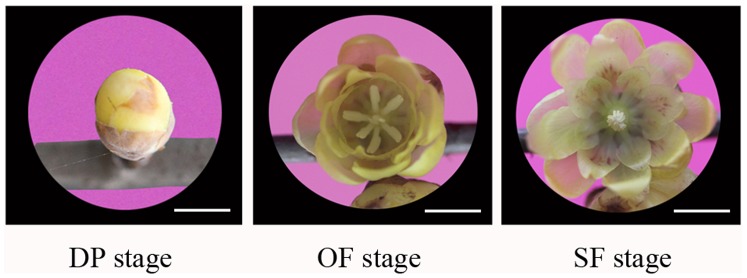
Figure 1. Flower development stages in wintersweet.
Pictures of wintersweet flowers: at flower bud stage with displayed petal (DP), at open flower stage (OF); and at senescing flower stage (SF). Scale bar = 1 cm.
Figure 2
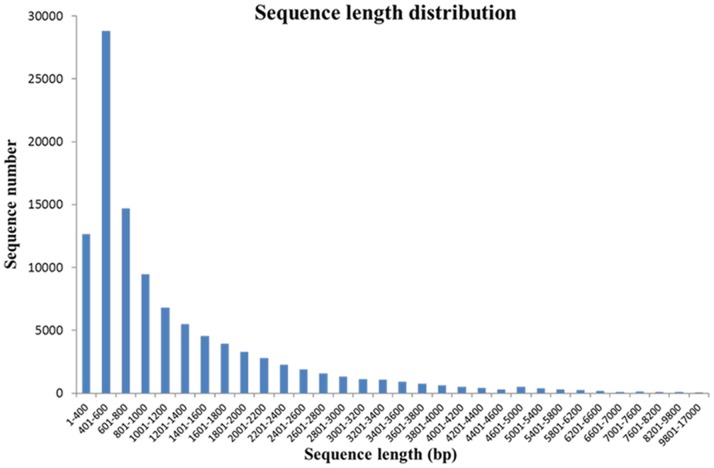
Figure 2. Sequence-length distribution of transcripts assembled from Illumina reads.
All the Illumina reads for each flower development stage (see Fig. 1) were combined together (see text) and gave rise to 106,995 transcripts. The horizontal and vertical axes show the size and the number of transcripts, respectively.
Figure 3
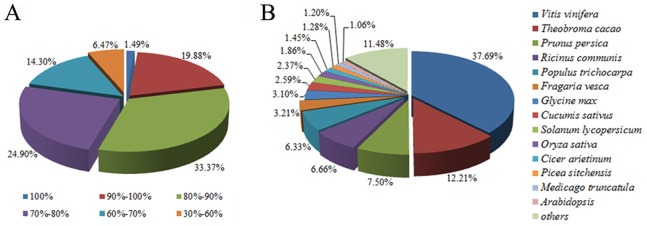
Figure 3. Results summary for sequence-homology search against NCBI NR database.
(A) Similarity distribution of the closest BLASTX matches for each sequence. (B) A species-based distribution of BLASTX matches for sequences. We used all the plant proteins in the NCBI NR database in performing the homology search and for each sequence we selected the closest match for analysis.
Figure 4
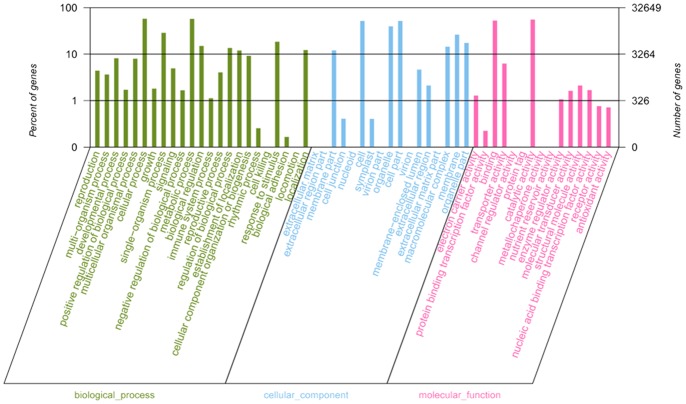
Figure 4. Gene ontology (GO) assignments for the flower transcriptome of wintersweet.
Results are summarized under three main GO categories: biological process, cellular component and molecular function. The left y-axis indicates the percentage of a specific category of genes in each main category. The right y-axis indicates the number of genes in the same category.
Figure 5
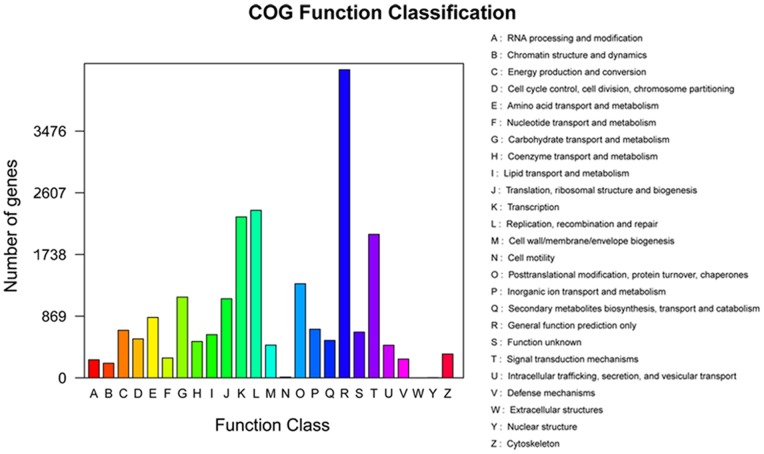
Figure 5. COG functional classification for the flower transcriptome of wintersweet.
From a total of 106,995 de novo assembled transcripts, 21,893 transcripts with significant homologies in the COG database (E-value ≤1.0 E-5) were classified into 25 COG categories.
Figure 6
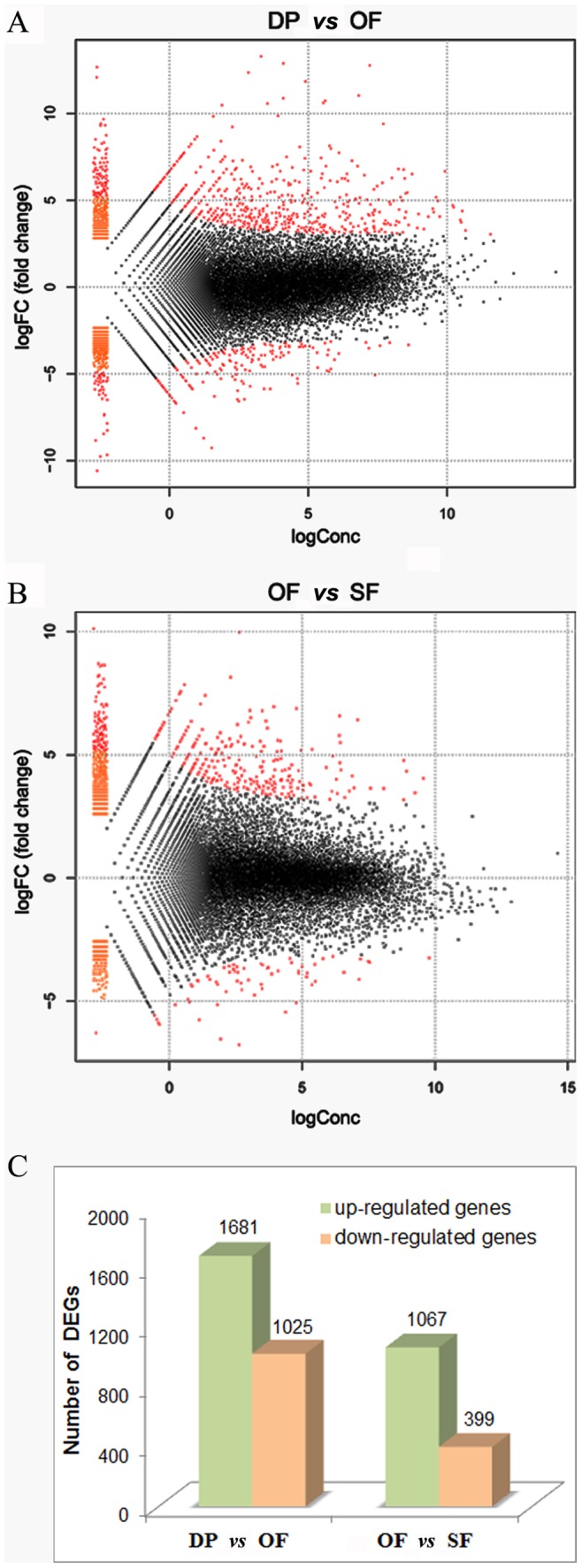
Figure 6. Differentially expressed genes (DEGs) in the flower development-stage comparisons DP vs OF and OF vs SF.
(A) Whole-study overview of log-fold changes in gene expression in DP vs OF. (B) Whole-study overview of log-fold changes in gene expression in OF vs SF. The x-axis indicates the absolute expression levels (LogConc). The y-axis indicates the log-fold changes between the two samples. Genes for which differential expression is significant are shown as red dots (Log2FC≥2 or ≤−2; FDR≤0.05). (C) The number of up- or down-regulated genes in DP vs OF and OF vs SF. DP vs OF refers to the comparison between the bud stage showing a displayed petal (DP) and the open flower stage (OF). OF vs SF refers to the comparison between the open flower stage (OF) and the senescing flower stage (SF).
Figure 7
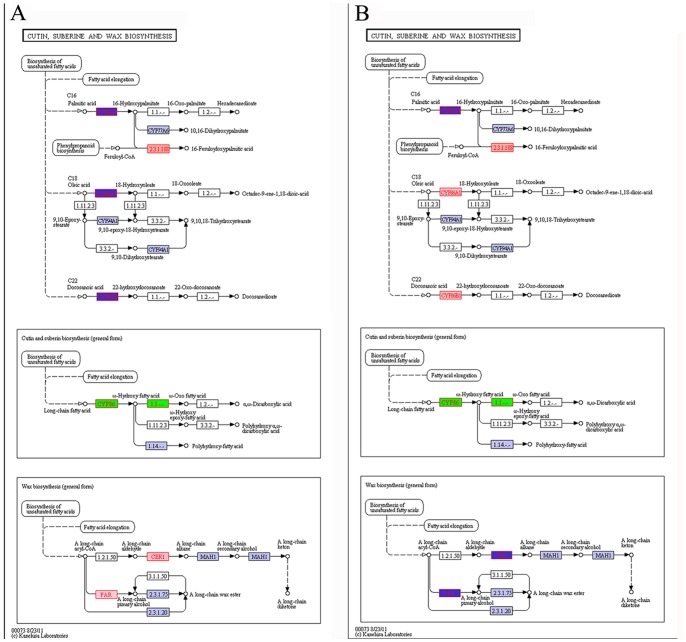
Figure 7. Regulatory changes in the pathway of cutin, suberin and wax biosynthesis during flower development.
(A) Gene expression changes between DP and OF stages. (B) Gene expression changes between OF and SF stages. Green boxes, genes identified in our data; light blue boxes, genes involved in the pathway present in the KEGG database but undetectable in our data; pink boxes, up-regulated genes; dark blue boxes, down-regulated genes.
Figure 8
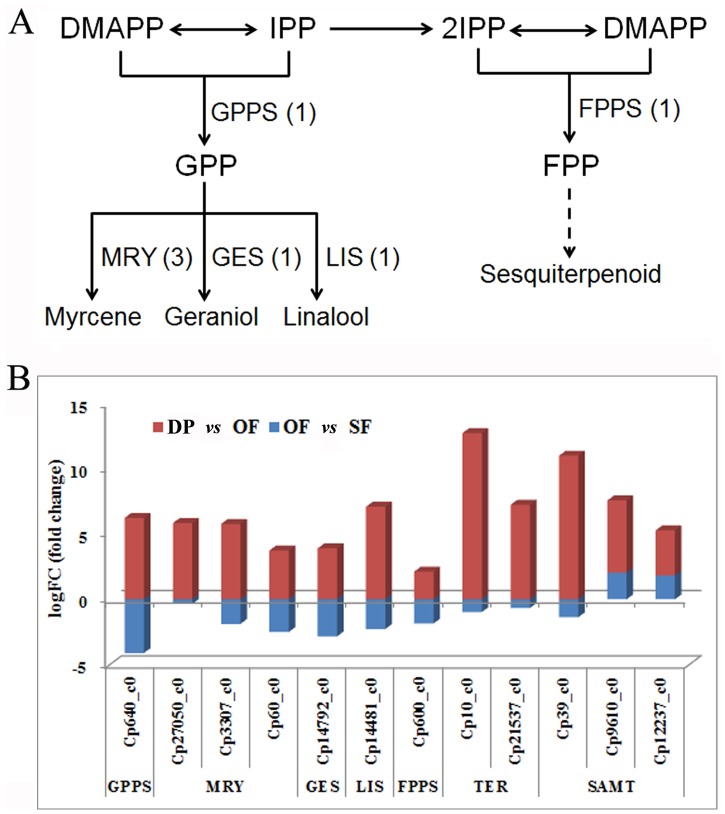
Figure 8. Proposed biosynthetic pathway for monoterpenes and sesquiterpenes in wintersweet.
(A) Proposed biosynthetic pathway for monoterpenes and sesquiterpenes. (B) Changes in expression (as –fold) of key genes of floral scent biosynthesis during flower development. DMAPP: dimethylallyl diphosphate; IPP: isopentenyl diphosphate; GPPS: geranyl diphosphate synthase; FPPS: farnesyl pyrophosphate synthase; MRY: myrcene synthase; GES: geraniol synthase; LIS: S-linalool synthase; TER: α-terpineol synthase; SAMT: S-adenosyl-L-methionine: salicylic acid carboxyl methyltransferase. Each enzyme name is followed in parentheses by the number of gene homologues encoding this enzyme. Solid lines indicate direct biochemical reactions, and broken lines indicate indirect reactions.
Figure 9
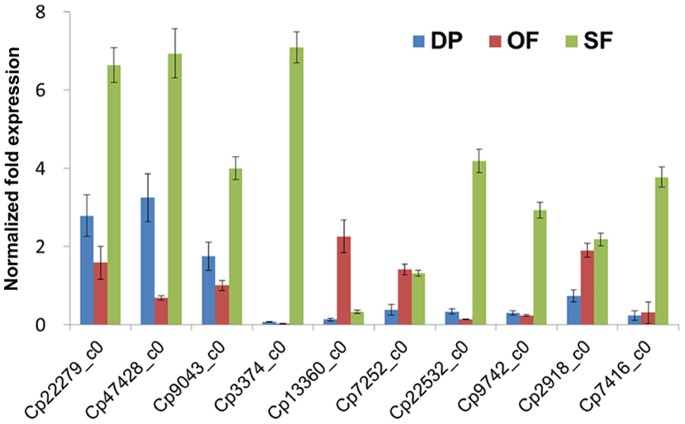
Figure 9. Real-time qPCR validation of ten genes involved in plant hormone signal transduction pathways.
Data were normalized against a reference of wintersweet actin and tubulin genes. All quantitative PCRs for each gene used three biological replicates, with three technical replicates per experiment; the error bars indicate SD.

References

    1. Li Y, Li PT (2000) Origin, evolution and distribution of the Calycanthaceae. Guihaia 20: 295–300.
    1. Zhang RH, Liu HE (1998) Wax Shrubs in World (Calycanthaceae). Beijing: China Science and Technology Press.
    1. Zhao KG, Zhou MQ, Chen LQ, Zhang DL, Gituru WR (2007) Genetic diversity and discrimination of Chimonanthus praecox (L.) Link germplasm using ISSR and RAPD markers. Hortscience 42 (5): 1144–1148.
    1. Zhao Y, Zhang Y, Wang ZZ (2010) Chemical Composition and Biological Activities of Essential Oil from Flower of Chimonanthus praecox (L.) Link. Lishizhen medicine and material medical research 21(3): 622–625.
    1. Deng CH, Song GX, Hu YM (2004) Rapid determination of volatile compounds emitted from Chimonanthus praecox flowers by HS–SPME–GC–MS. Z. Naturforsch 59: 636–640. - PubMed

Publication types

MeSH terms

LinkOut - more resources