


Antiproliferative activity and apoptosis induction of crude extract and fractions of avicennia marina
- PMID: 24494074
- PMCID: PMC3909633
Antiproliferative activity and apoptosis induction of crude extract and fractions of avicennia marina
Abstract
Objective(s): Regarding the presence of many active biological constituents in Avicennia marina, the present investigation was carried out to study cytotoxic activity of crude methanol leave extract and column chromatographic fractions of A. marina against MDA-MB 231 cell line (human breast cancer cell) and HEK (Human embryonic kidney cell) line.
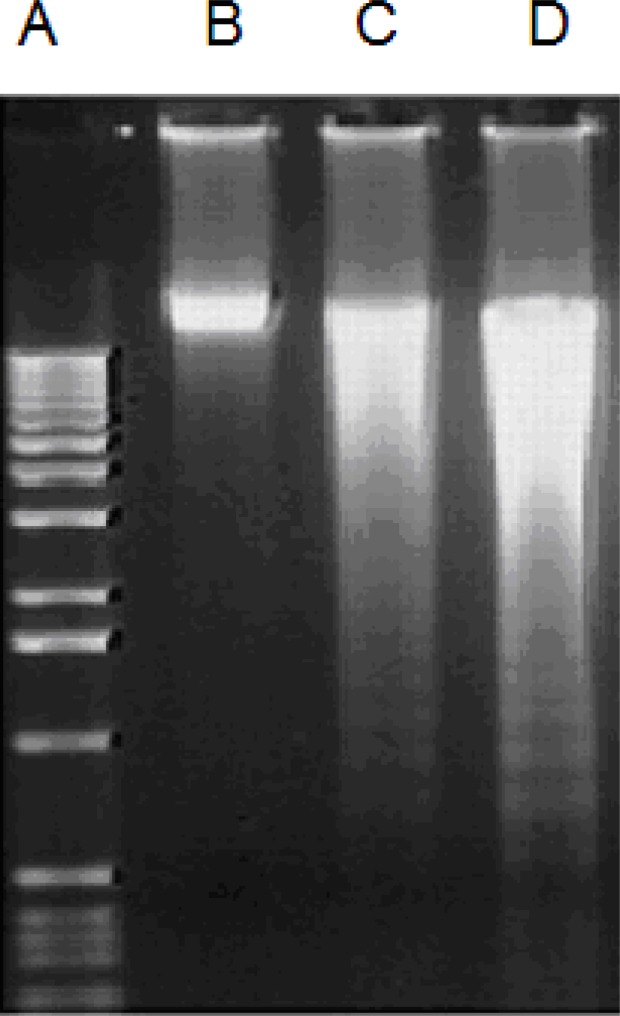
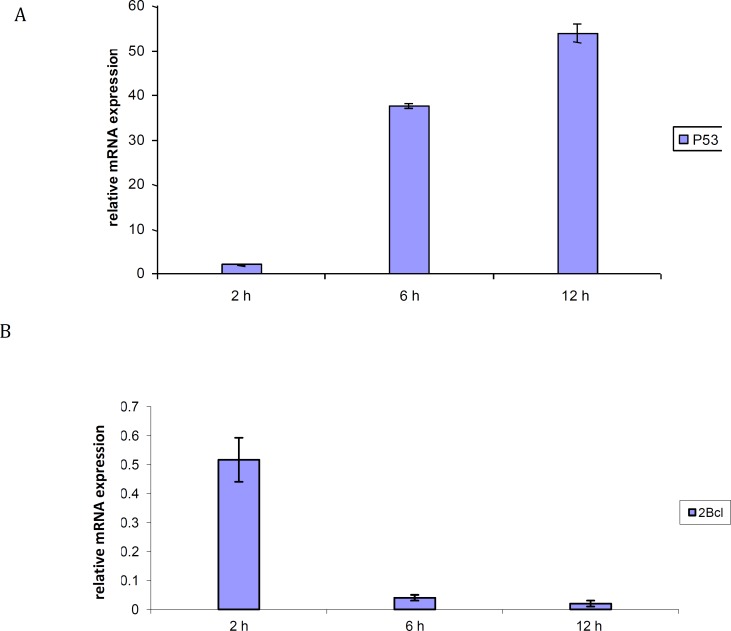
Materials and methods: The anticancer activity of crude methanol extract and sub-fractions were evaluated, using MTT assay. The induction of apoptosis was determined by analyzing DNA fragmentation in breast cancer cells treated with active fraction of crude methanol extract using agarose gel electrophoresis. To investigate molecular mechanism of apoptosis, gene expression levels of p53 and Bcl-2 were measured using quantitative real time PCR.
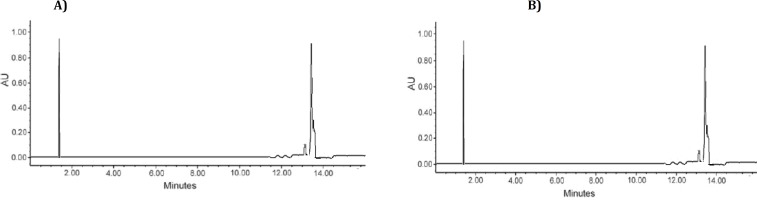
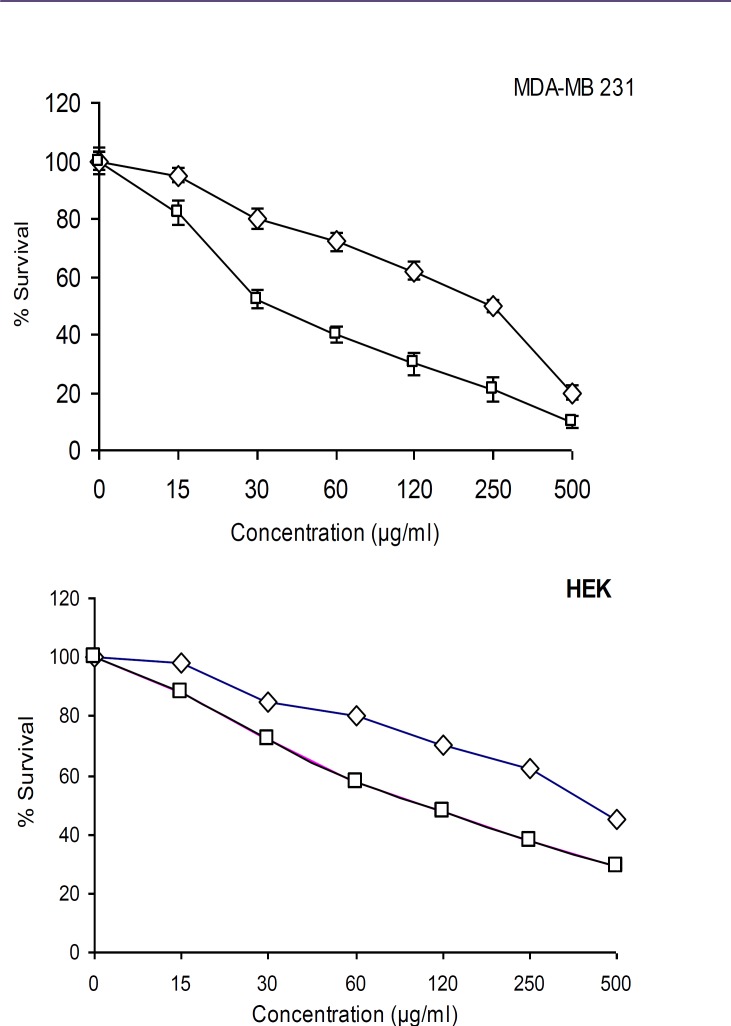
Results: Fraction 10 was the most active fraction and was detected with HPLC as luteolin. The 50% cell cytotoxic concentration (CC50) of crude methanol extract and luteolin was 250 and 28 µg/ml, respectively. This fraction was found to be an apoptotic agent against MDA-MB 231 cells, which leads to causing DNA fragmentation. The mRNA expression level of Bcl-2 and p53 was significantly decreased and increased respectively in cancer cells treated by luteolin.
Conclusion: The results suggested that Luteolin isolated from Avicennia marina could probably induce apoptosis on breast cancer cell line by the regulation of p53 and Bcl-2 pathways.
Keywords: Apoptosis; Avicennia marina; Cytotoxic activity; DNA fragmentation; MDA-MB 231 cell line.
Figures
References
-
- Robert AS, Vilma C, Durado B, Debbie S, Otis WB. Cancer Screening in the United States, 2010: A review of current American cancer society guidelines and issues in cancer screening. CA Cancer J Clin . 2010;60:99–119. - PubMed
-
- Rates SMK. Plants as source of drugs. Toxicon . 2000;39:603–613. - PubMed
-
- Graham JG, Quinn ML, Fabricant DS. Farnsworth NR Plants used against cancer - an extension of the work of Jonathan Hart well. J Ethnopharmacol . 2000;73:347–377. - PubMed
-
- Duke NC. A systematic revision of the mangrove genus Avicennia (Avicenniaceae) in Australasia. Austra Systema Botany . 1991;4:299–324.
-
- Bandaranayake WM. Survey of mangrove plants from Northern Australia for phytochemical constituents and uv-absorbing compounds. Curr Top Phytochem . 1995;14:69–78.
LinkOut - more resources
Full Text Sources
Other Literature Sources
Research Materials
Miscellaneous