


The aspartate metabolism pathway is differentiable in human hepatocellular carcinoma: transcriptomics and (13) C-isotope based metabolomics
- PMID: 24497316
- PMCID: PMC3962779
- DOI: 10.1002/nbm.3072
The aspartate metabolism pathway is differentiable in human hepatocellular carcinoma: transcriptomics and (13) C-isotope based metabolomics
Abstract
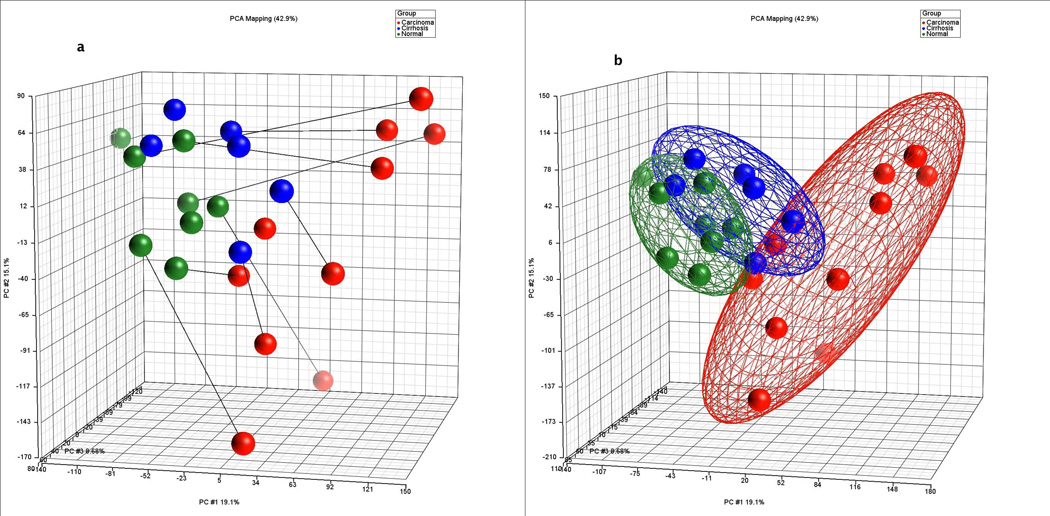
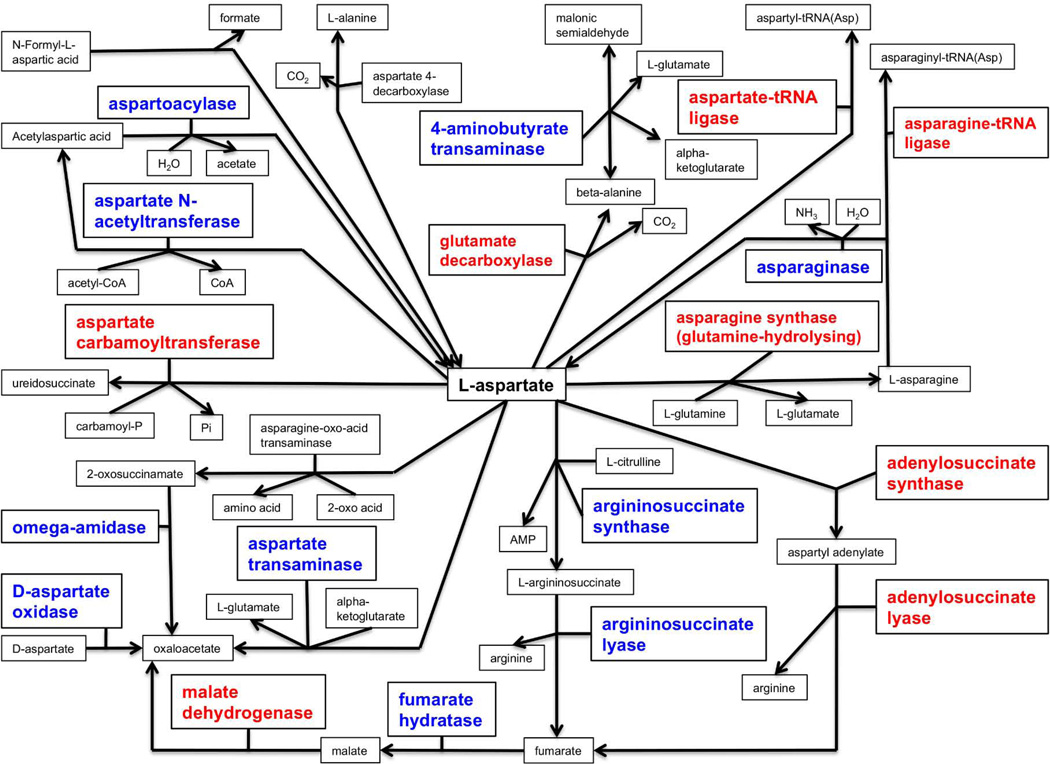
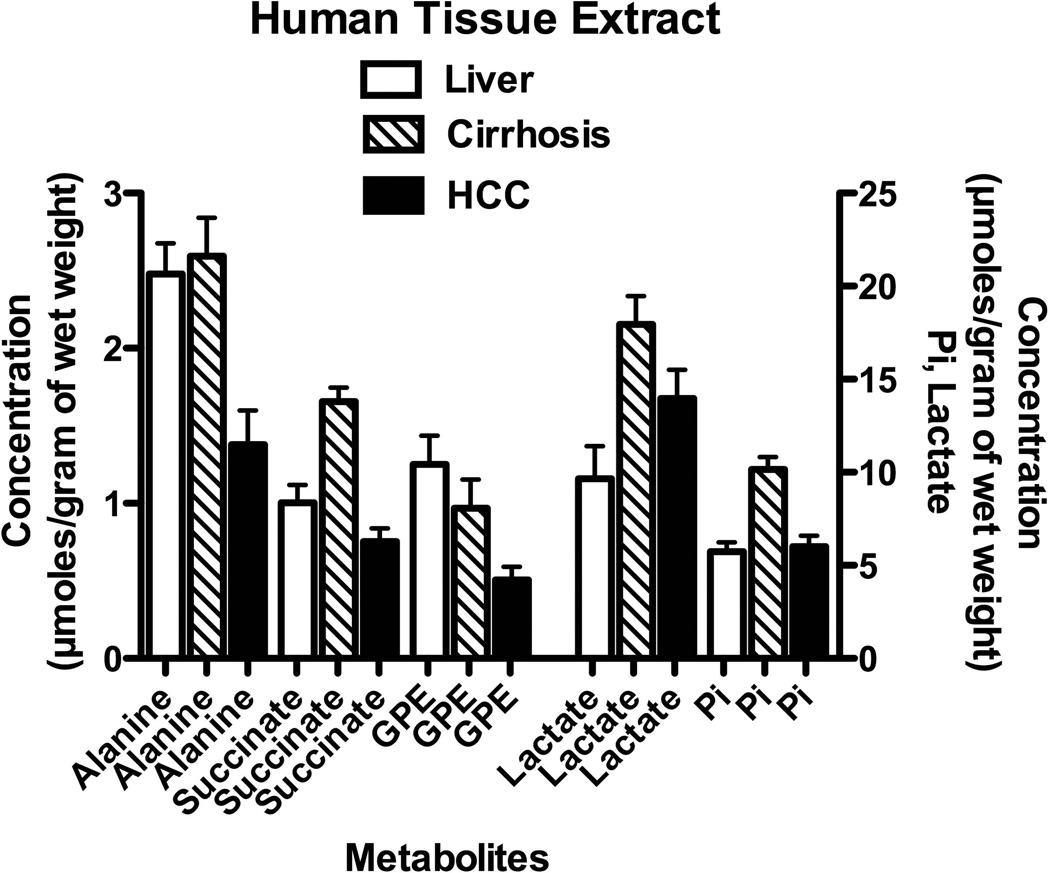
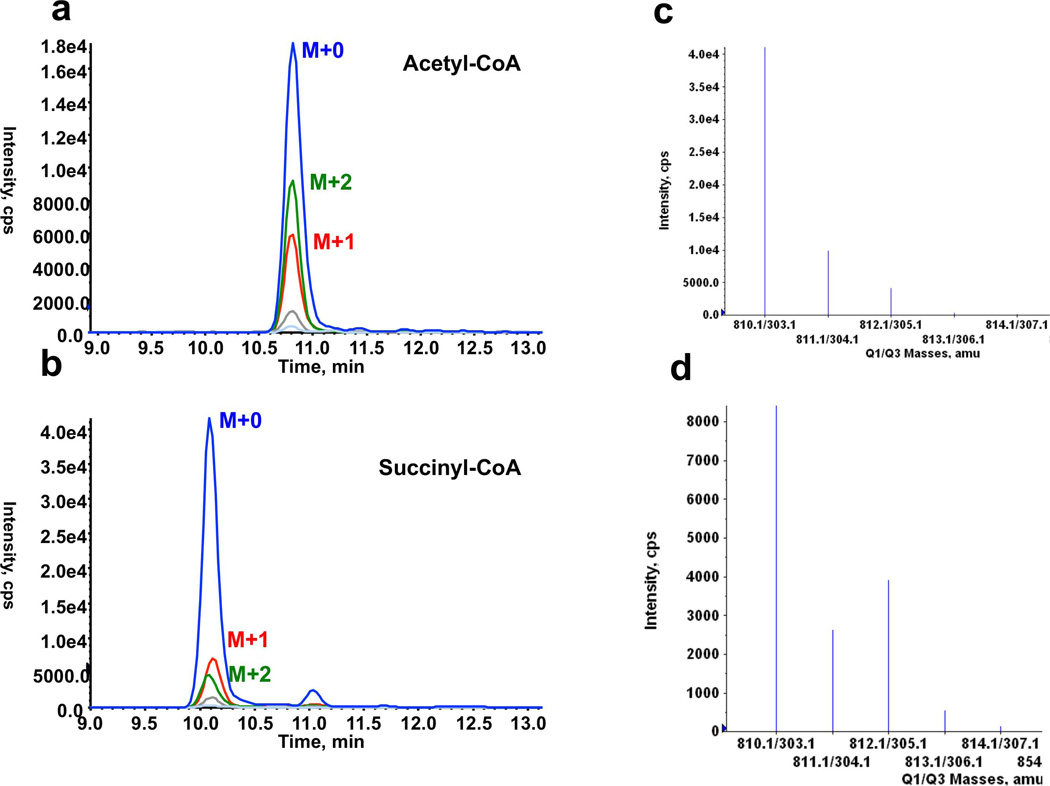
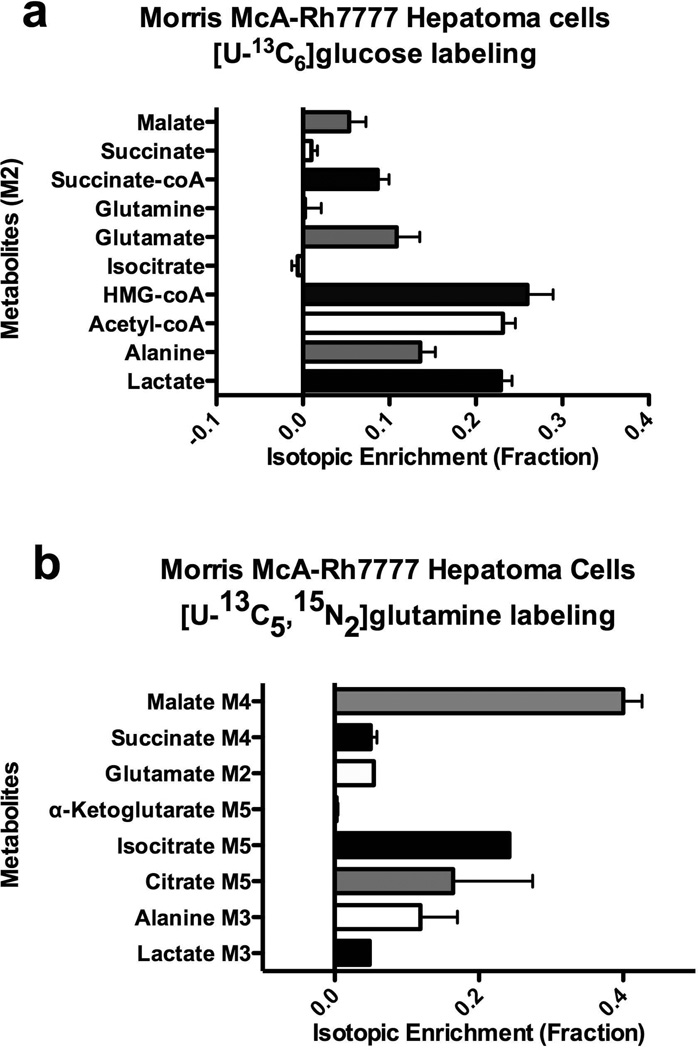
Hepatocellular carcinoma (HCC), the primary form of human adult liver malignancy, is a highly aggressive tumor with average survival rates that are currently less than a year following diagnosis. Although bioinformatic analyses have indicated differentially expressed genes and cancer related mutations in HCC, integrated genetic and metabolic pathway analyses remain to be investigated. Herein, gene (i.e. messenger RNA, mRNA) enrichment analysis was performed to delineate significant alterations of metabolic pathways in HCC. The objective of this study was to investigate the pathway of aspartate metabolism in HCC of humans. Coupled with transcriptomic (i.e. mRNA) and NMR based metabolomics of human tissue extracts, we utilized liquid chromatography mass spectrometry based metabolomics analysis of stable [U-(13) C6 ]glucose metabolism or [U-(13) C5 ,(15) N2 ]glutamine metabolism of HCC cell culture. Our results indicated that aspartate metabolism is a significant and differentiable metabolic pathway of HCC compared with non-tumor liver (p value < 0.0001). In addition, branched-chain amino acid metabolism (p value < 0.0001) and tricarboxylic acid metabolism (p value < 0.0001) are significant and differentiable. Statistical analysis of measurable NMR metabolites indicated that at least two of the group means were significantly different for the metabolites alanine (p value = 0.0013), succinate (p value = 0.0001), lactate (p value = 0.0114), glycerophosphoethanolamine (p value = 0.015), and inorganic phosphate (p value = 0.0001). However, (13) C isotopic enrichment analysis of these metabolites revealed less than 50% isotopic enrichment with either stable [U-(13) C6 ]glucose metabolism or [U-(13) C5 ,(15) N2 ]glutamine. This may indicate the differential account of total metabolite pool versus de novo metabolites from a (13) C labeled substrate. The ultimate translation of these findings will be to determine putative enzyme activity via (13) C labeling, to investigate targeted therapeutics against these enzymes, and to optimize the in vivo performance of (13) C MRI techniques.
Keywords: aspartate; branched-chain amino acids; cancer; genetics; hepatocellular carcinoma; metabolomics; transcriptomics.
Copyright © 2014 John Wiley & Sons, Ltd.
Conflict of interest statement
Figures
References
-
- Cairns RA, Harris IS, Mak TW. Regulation of cancer cell metabolism. Nature Reviews. 2011;11:85–95. - PubMed
-
- Parkin DM, Bray F, Ferlay J, Pisani P. Global Cancer Statistics, 2002. CA Cancer J Clin. 2005;55:74–108. - PubMed
-
- Franca AV, Elias Junior J, Lima BL, Martinelli AL, Carrilho FJ. Diagnosis, staging and treatment of hepatocellular carcinoma. Braz J Med Biol Res. 2004;37(11):1689–1705. - PubMed
Publication types
MeSH terms
Substances
Grants and funding
LinkOut - more resources
Full Text Sources
Other Literature Sources
Medical
Molecular Biology Databases
Miscellaneous
